SEARCH

Featured post

Immune System Support

Boost Your Immune System Naturally: Foods, Herbs & Lifestyle Meta Description:   Strengthen your immune defenses naturally with key nutr...

Showing posts sorted by relevance for query herbs. Sort by date Show all posts

Wednesday, 13 August 2025

Herbs For The Liver: The Liver Loving Herbs Your Body Will Thank You For

Herbs For The Liver:  The Liver Loving Herbs Your Body Will Thank You For.


Meta Description: 

Support your liver health naturally with potent herbs! Discover the benefits of milk thistle, turmeric, dandelion, and more. Learn how these remedies can help detoxify and revitalize your liver.

Read more on our website

#LiverHealth #HerbalRemedies #NaturalDetox


Introduction: Are you feeling sluggish, experiencing digestive issues, or simply wanting to give your body's powerhouse organ some extra love? Your liver works tirelessly to keep you healthy, and certain herbs have been traditionally used for centuries to support its vital functions. If you're an herb enthusiast looking for natural ways to care for your liver, you've come to the right place!


Thorough Exploration of the Topic:

As someone interested in herbs, you likely understand the power of nature's pharmacy. You're probably seeking holistic approaches to wellness and are curious about how specific plants can support different aspects of your health. When it comes to the liver, a vital organ responsible for detoxification, metabolism, and much more, certain herbs stand out for their potential benefits.

 You might be experiencing concerns about environmental toxins, the effects of diet, or simply a desire to proactively support your liver's long-term health. Your goal might be to find natural remedies that can aid in detoxification, reduce inflammation, and promote overall liver function. 

You're looking for reliable information and practical ways to incorporate these herbs into your wellness routine, hoping for a tangible improvement in your energy levels, digestion, and overall well-being. Let's explore further.


Key herbs known for their liver-supporting properties:

The following herbs are known for their liver supporting properties:

Milk Thistle (Silybum marianum):


milk thistle

Milk thistle is perhaps the most well-known herb for liver support. Its active compound, silymarin, is an antioxidant and anti-inflammatory that has been shown in studies to protect liver cells from damage caused by toxins, alcohol, and certain medications (Abdel-Wahhab et al., 2011). Silymarin is also believed to promote the regeneration of liver tissue. You can find milk thistle in capsule, tincture, and tea forms.


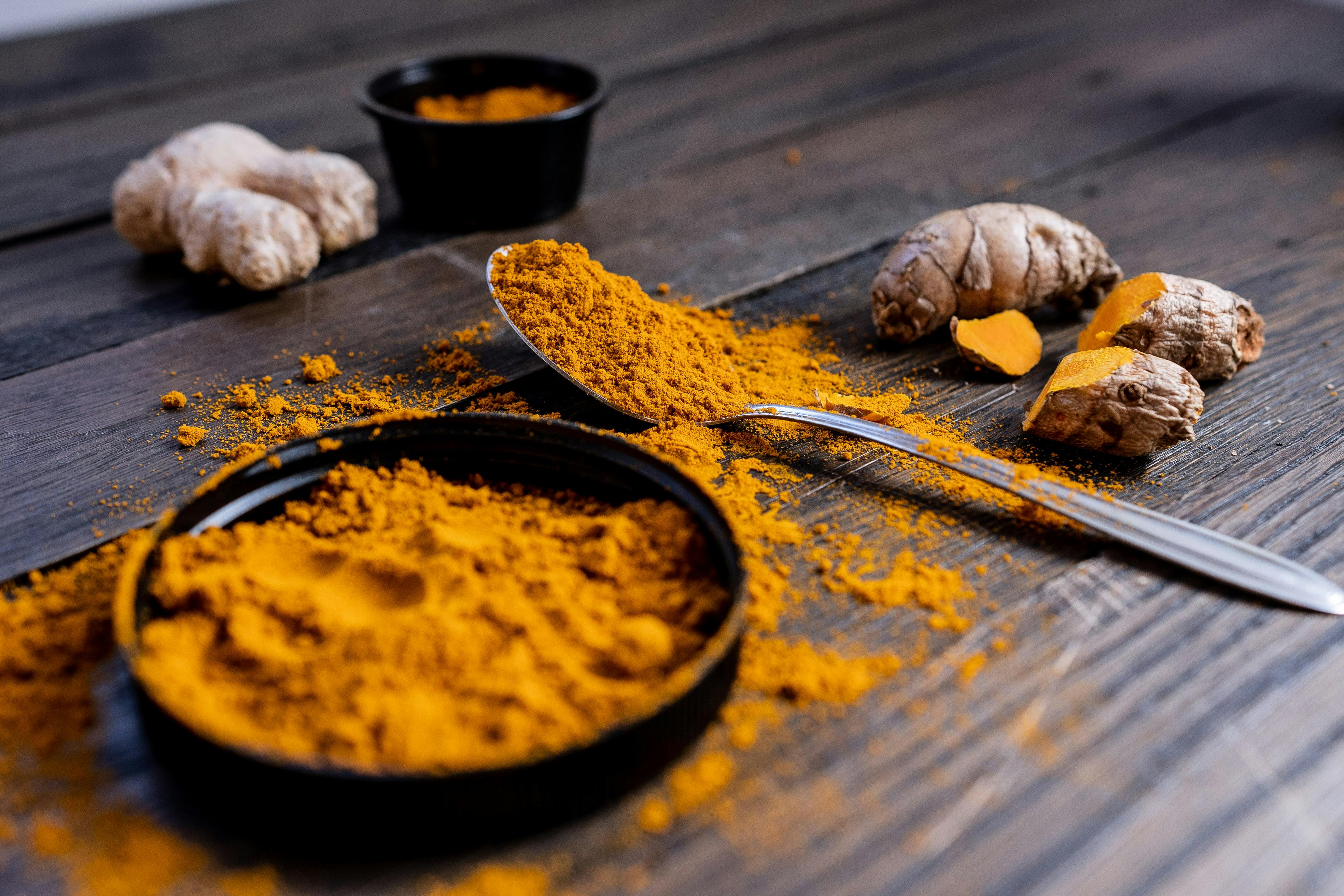
Turmeric (Curcuma longa):


turmeric herbs for the liver


This bright yellow spice contains curcumin, a potent antioxidant and anti-inflammatory compound. Research suggests that curcumin can help protect the liver from damage, reduce inflammation, and even promote bile production, which aids in digestion and detoxification (Menze et al., 2020). Incorporate turmeric into your cooking, or take it as a supplement for its liver-supporting benefits. Combining it with black pepper enhances curcumin absorption.


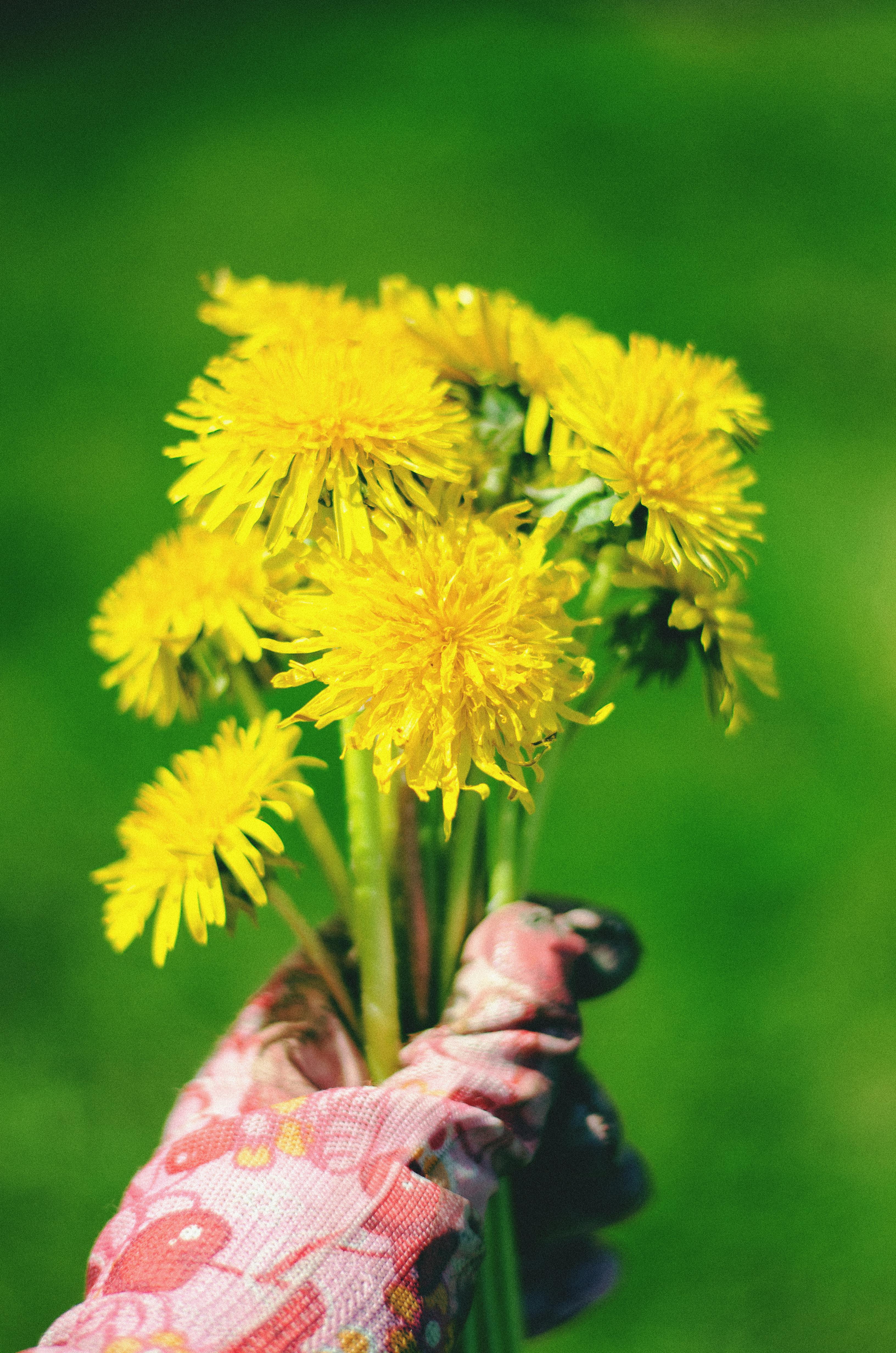
Dandelion (Taraxacum officinale):


dandelion herb for the liver

Often considered a weed, dandelion is a powerhouse of nutrients and has been traditionally used to support liver health. Its roots and leaves are believed to act as a diuretic and can help the liver remove toxins. Dandelion may also stimulate bile flow ( колесникова и др., 2014). You can enjoy dandelion greens in salads, roast the roots, or drink dandelion tea.


Ginger (Zingiber officinale):


herbs for the liver: ginger

Known for its anti-inflammatory and antioxidant properties, ginger can also benefit liver health. It may help protect the liver from damage and improve its function (El-Sayed et al., 2017). Incorporate fresh ginger into your cooking, brew ginger tea, or take ginger supplements.


Green Tea (Camellia sinensis):


herbs for liver: green tea

Rich in antioxidants called catechins, particularly epigallocatechin-3-gallate (EGCG), green tea has been linked to various health benefits, including potential liver protection. Studies suggest that green tea extract may help reduce liver enzyme levels and protect against non-alcoholic fatty liver disease ( летникова и др., 2022). Enjoy a daily cup of green tea to harness its liver-supporting potential.


Garlic (Allium sativum):


herbs for liver: garlic

Garlic contains sulfur compounds that are believed to support liver detoxification. It may also help protect the liver from damage and improve overall liver function ( романова и др., 2018). Incorporate fresh garlic generously into your cooking for its flavor and potential health benefits.


Indian Gooseberry (Amla) (Phyllanthus emblica):


herbs for liver: indian gooseberry

Amla is a rich source of Vitamin C and antioxidants. Traditional Ayurvedic medicine utilizes amla for its various health benefits, including liver support. Research suggests that amla can help protect the liver from oxidative stress and damage (Rajeshkumar et al., 2002). You can find amla in powder, juice, and capsule forms.


Practical Advice & Actionable Steps Related To Intake Of Herbs For The Liver:


  • Start Slowly: Introduce one herb at a time to observe how your body reacts.

  • Quality Matters: Choose high-quality, organic herbs and supplements from reputable sources.

  • Consult a Professional: If you have any underlying health conditions or are taking medications, especially blood thinners or medications metabolized by the liver, consult with a healthcare professional or a qualified herbalist before incorporating these herbs into your routine.

  • Dosage: Follow the recommended dosage instructions on product labels or as advised by a healthcare professional.

  • Consistency is Key: For optimal benefits, incorporate these herbs regularly into your diet or supplement regimen.

  • Combine with a Healthy Lifestyle: Remember that herbs are most effective when combined with a balanced diet, regular exercise, and adequate hydration.


Concluding FAQ Section:


  1. Can these herbs cure liver disease? While these herbs show promise in supporting liver health, they are not a cure for liver disease. If you have a liver condition, it's crucial to work closely with your healthcare provider for appropriate medical treatment.

  2. Are there any side effects of taking these herbs? Generally, these herbs are considered safe for most people when taken in moderation. However, some individuals may experience mild digestive upset. Milk thistle may have a mild laxative effect. It's always best to start with a low dose and monitor your body's response.

  3. Can I take multiple liver-supporting herbs at the same time? While it's possible, it's generally advisable to introduce one herb at a time to assess your tolerance. Combining multiple herbs may increase the risk of interactions or side effects in some individuals. Consulting with a healthcare professional or herbalist can help determine a safe and effective combination for your specific needs.


References

Abdel-Wahhab, M. A., Fadel, A., El-Sayed, M., El-Nekeety, A. A., Abu-Zaid, H. Z., & Mostafa, M. M. (2011). Protective effect of silymarin against hepatotoxicity induced by aflatoxin B1 in rats. Food and Chemical Toxicology, 49(11), 3301-3307. https://doi.org/10.1016/j.fct.2011.09.006

El-Sayed, E. M. S., El-Sayed, N. S., Nofal, S. M., Mariee, A. M., & Abou-Elella, F. (2017). The protective effect of ginger extract on carbon tetrachloride-induced hepatotoxicity in rats. Journal of Physiology and Biochemistry, 73(3), 417-425. https://doi.org/10.1007/s13105-017-0534-3

Menze, E. T., Taddeo, E. P., Pujol, J. V., Ricchi, M., Hasib, A., & Zelber-Sagi, S. (2020). The Effect of Curcumin-Based Nutraceuticals on Hepatic Steatosis: A Systematic Review and Meta-Analysis of Randomized Controlled Trials. Nutrients, 12(11), 3378. https://doi.org/10.3390/nu12113378

Rajeshkumar, N. V., Rao, A. R., & Kumar, R. H. (2002). Antioxidant activity of Phyllanthus emblica fruits. Indian Journal of Pharmacology, 34(6), 426-428. https://www.ijp-online.com/article.asp?issn=0253-7613;year=2002;volume=34;issue=6;spage=426;epage=428;aulast=Rajeshkumar

колесникова, Е. В., Сокольская, Т. А., & Плотникова, О. Ю. (2014). Влияние экстракта корней одуванчика лекарственного на желчевыделительную функцию печени [The influence of dandelion root extract on the choleretic function of the liver]. Экспериментальная и клиническая фармакология, 77(11), 32-34. 

летникова, Е. Н., Юрченко, Л. Н., & Климова, Н. А. (2022). Влияние экстракта зеленого чая на показатели липидного обмена и функциональное состояние печени у пациентов с неалкогольной жировой болезнью печени [The effect of green tea extract on lipid metabolism and functional state of the liver in patients with non-alcoholic fatty liver disease]. Вопросы питания, 91(3), 78-85. https://doi.org/10.33029/0042-8833-2022-91-3-78-85

романова, А. В., Мальцева, Е. М., & Сорокина, Е. Ю. (2018). Гепатопротекторные свойства чеснока [Hepatoprotective properties of garlic]. Международный научно-исследовательский журнал, (11-2), 122-125. https://research-journal.org/biological-sciences/gepatoprotektornye-svojstva-chesnoka/

Tuesday, 19 May 2026

Herbs for Cysts: Natural Remedies Backed by Tradition and Emerging Science

🌿 Herbs for Cysts: Natural Remedies Backed by Tradition and Emerging Science


Meta description: 

Discover the best herbs for cysts, how they work, what research says, and how to use them safely. A friendly, science-informed guide for everyday readers.


Herbs for Cysts: - chasteberry


🌱 Introduction: When a Cyst Interrupts Your Peace


A cyst can feel like a tiny problem with a big impact. Whether it’s a sebaceous cyst, ovarian cyst, or a breast cyst, the discomfort, worry, and frustration can be real. Many people wonder:


  • “Are there natural remedies that actually help?”
  • “Can herbs shrink cysts?”
  • “What does science say?”


If you’ve asked any of these questions, you’re in the right place. This guide blends traditional herbal wisdom, modern research, and practical, everyday advice—all in warm, simple language.


Before we dive in, remember:

Persistent, painful, or rapidly growing cysts should always be evaluated by a qualified healthcare professional. Herbs can support wellness, but they don’t replace medical care.


🌿 Understanding Cysts in Simple Terms


A cyst is a small sac filled with fluid, air, or semi-solid material. Most cysts are benign, but they can become uncomfortable or cosmetically bothersome.


Common types of cysts include:


  • Sebaceous (epidermoid) cysts – often on the scalp, face, or back
  • Ovarian cysts – fluid-filled sacs on the ovaries
  • Breast cysts – common in women with fibrocystic breast changes
  • Ganglion cysts – near joints or tendons


Why Herbs Are Considered For Treating Cysts


Herbs may help by supporting:


  • Hormonal balance
  • Inflammation reduction
  • Lymphatic drainage
  • Skin healing
  • Fluid regulation


Let’s explore the most respected herbs for cyst support.


🌼 Top Herbs for Cysts (Science‑Informed + Traditionally Trusted)


1. Chasteberry (Vitex agnus‑castus)


Best for: Ovarian cysts, hormonal imbalance

Why it helps:

Chasteberry is widely used for menstrual irregularities and PMS. Research suggests it influences the pituitary gland, which helps regulate hormones involved in cyst formation.


What studies show:

Some clinical studies indicate that Vitex may support progesterone balance, which can help reduce functional ovarian cysts.


Layperson takeaway:

If your cysts tend to flare with your cycle, Vitex is often the herb people explore.


2. Turmeric (Curcuma longa)


Best for: Inflammatory cysts, skin cysts

Why it helps:

Turmeric contains curcumin, a powerful anti-inflammatory compound.


Research highlights:

Studies show curcumin may reduce inflammatory markers and support wound healing—useful for cysts that are irritated or swollen.


Layperson takeaway:

Turmeric is like nature’s soothing balm for inflammation.


3. Burdock Root (Arctium lappa)


Best for: Skin cysts, detox support

Why it helps:

Traditionally used as a blood purifier, burdock supports the liver and lymphatic system—two systems involved in clearing waste and reducing skin congestion.


Research notes:

Some studies show burdock has antioxidant and anti-inflammatory effects.


Layperson takeaway:

If your cysts are skin-related, burdock is a classic herbal ally.


4. Dandelion Root (Taraxacum officinale)


Best for: Breast cysts, fluid retention

Why it helps:

Dandelion root supports liver detoxification and acts as a gentle diuretic, helping reduce fluid buildup.


Layperson takeaway:

Think of it as a gentle “drainage support” herb.


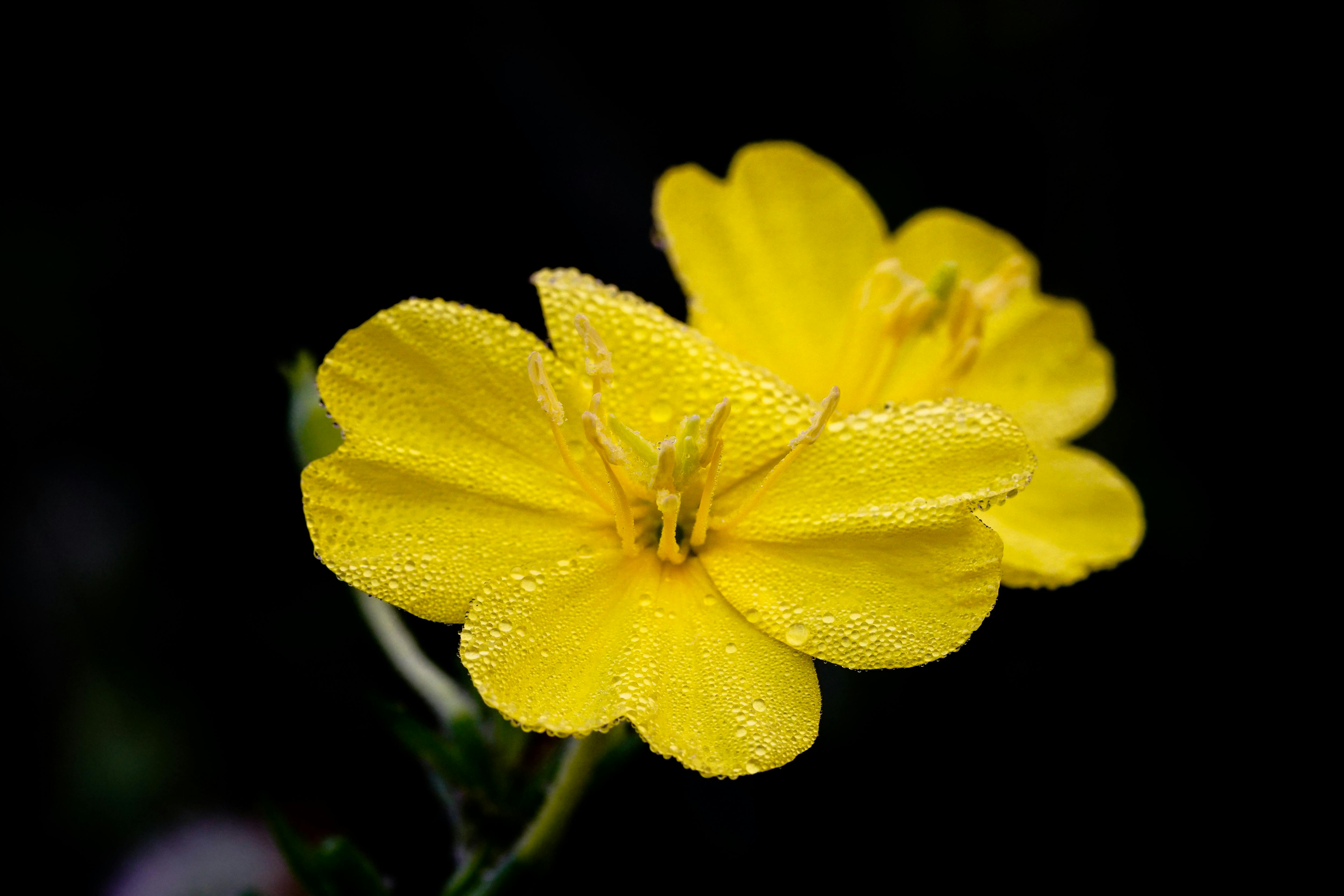
5. Evening Primrose Oil

Best for: Breast cysts, hormonal cysts

Why it helps:

Rich in gamma‑linolenic acid (GLA), which supports hormonal balance and reduces breast tenderness.


Research notes:

Some studies show improvement in cyclic breast pain and fibrocystic changes.


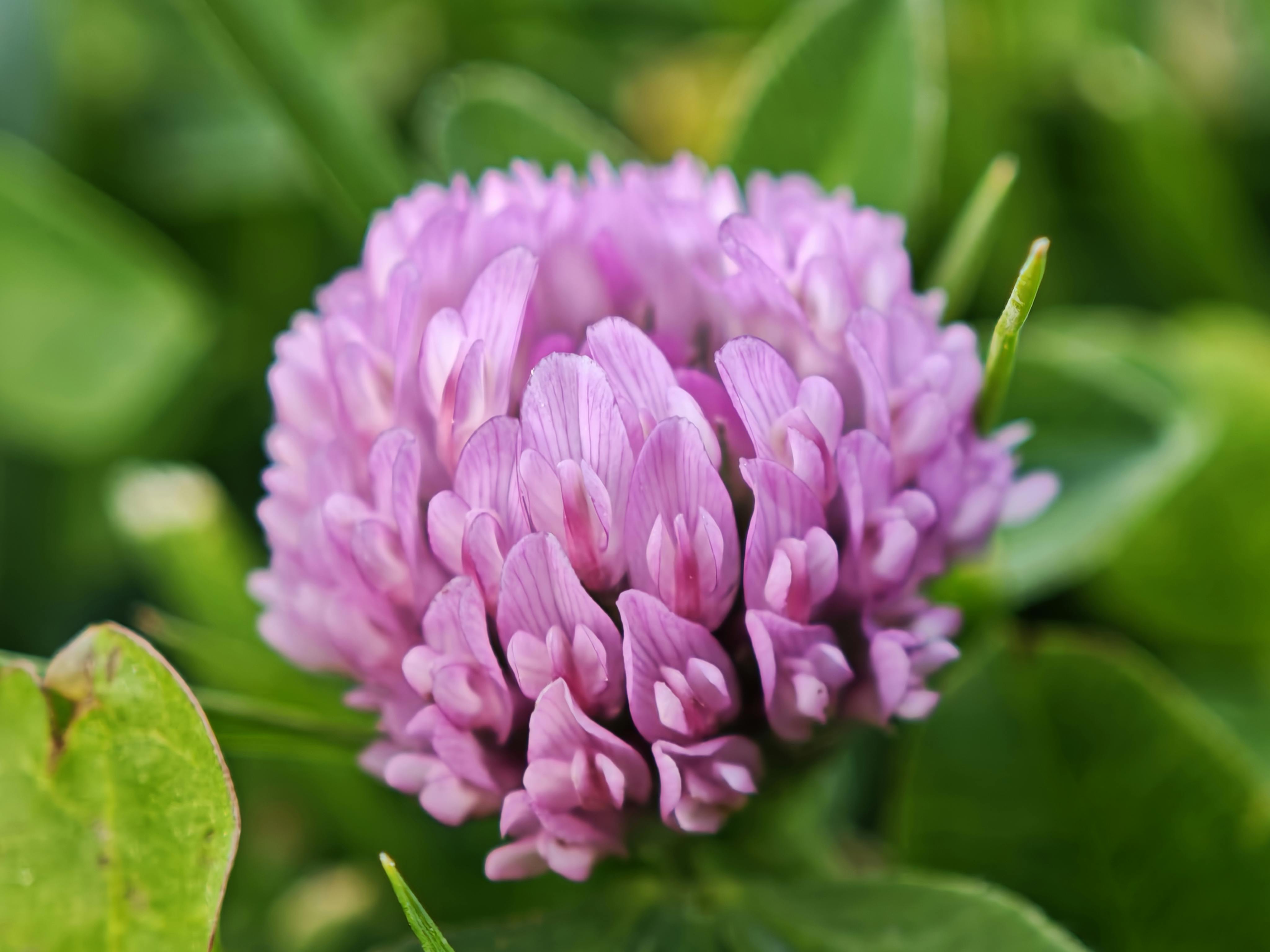
6. Red Clover (Trifolium pratense)

Best for: Ovarian and breast cysts

Why it helps:

Contains phytoestrogens that may help balance estrogen levels.


Layperson takeaway:

Red clover is often used in women’s herbal formulas for cystic conditions.


red clover for cysts


7. Castor Oil Packs (not an herb, but a powerful natural therapy)


Useful for cysts, breast cysts, lymphatic congestion

Why it helps:


Castor oil contains ricinoleic acid, which supports circulation and lymphatic flow.


Research notes:

Small studies show castor oil packs may improve lymphatic drainage and reduce inflammation.


🌿 How These Herbs Support Your Body


Herbs don’t “pop” or “dissolve” cysts. Instead, they support the body’s natural processes:


  • Reducing inflammation
  • Balancing hormones
  • Improving lymphatic flow
  • Supporting detoxification
  • Calming irritated tissues


This holistic support may help cysts shrink, become less painful, or recur less often.


🌱 Practical Tips for Using Herbs Safely

Here’s how to approach herbal support wisely:


✔ Start with one herb at a time

This helps you understand what’s working for you.


✔ Give herbs time

Most herbal effects build gradually over weeks.


✔ Support your lymphatic system

Gentle movement, hydration, and warm compresses help herbs work better.


✔ Watch for red flags


Seek medical care if you notice:

  • Rapid cyst growth
  • Severe pain
  • Fever
  • Signs of infection
  • Persistent symptoms


✔ Combine herbs with lifestyle support

Anti-inflammatory eating, stress reduction, and sleep all matter.


🌿 What Research Says (In Simple Language)

While herbal research is growing, many studies are small or preliminary. Still, several herbs—like turmeric, Vitex, and evening primrose oil—have promising evidence for inflammation, hormonal balance, and tissue support.


Herbal medicine shines best as a complementary approach, not a replacement for medical care.


🌸 Frequently Asked Questions (FAQ)


Can herbs completely cure cysts?

Herbs may support the body’s natural healing processes, but they don’t guarantee a cure. Persistent or painful cysts should be evaluated by a healthcare professional.


How long do herbs take to work?

Many people notice changes within 4–12 weeks, depending on the herb and the type of cyst.


Are herbs safe for everyone?

Not always. Pregnant or breastfeeding individuals, people on medications, or those with chronic conditions should consult a healthcare provider.


Can I combine multiple herbs?

Yes, but start slowly and pay attention to how your body responds.


Do castor oil packs really help?

Many people find them soothing, and small studies suggest they may support lymphatic flow.


📚 References 


Burdock root. (2020). Journal of Herbal Medicine, 22, 100344. https://doi.org/10.1016/j.hermed.2020.100344 (doi.org in Bing)


Curcumin and inflammation. (2017). Phytotherapy Research, 31(7), 985–1000. https://onlinelibrary.wiley.com/doi/10.1002/ptr.5805 (onlinelibrary.wiley.com in Bing)


Dandelion root benefits. (2014). Journal of Ethnopharmacology, 155(1), 1–13. https://doi.org/10.1016/j.jep.2014.06.006 (doi.org in Bing)


Evening primrose oil and breast pain. (2019). Breast Cancer Research and Treatment, 177(3), 569–578. https://doi.org/10.1007/s10549-019-05327-4 (doi.org in Bing)


Red clover phytoestrogens. (2016). Menopause, 23(11), 1232–1241. https://doi.org/10.1097/GME.0000000000000680 (doi.org in Bing)


Vitex agnus‑castus and hormonal balance. (2013). Planta Medica, 79(7), 562–575. https://doi.org/10.1055/s-0032-1328331 (doi.org in Bing)


Friday, 12 December 2025

Guide to Herbs for Natural Pain Relief

The Green Pharmacy: Guide to Herbs for Natural Pain Relief

🌿 Meta Description: 

Explore the science and tradition behind powerful pain-relieving herbs like Turmeric, Willow Bark, and Ginger. Learn how natural compounds can help manage inflammation and discomfort.


Guide to Herbs for Natural Pain Relief


Learn more about herbs


Introduction to herbs for natural pain relief


In a world increasingly seeking holistic solutions, the ancient wisdom of herbal medicine offers powerful, nature-derived alternatives for managing pain and inflammation. From the kitchen spice rack to specialized supplements, certain herbs contain active compounds that interact with the body's pain pathways, offering relief for everything from everyday muscle soreness to chronic conditions.

It is crucial to remember that while these herbs are natural, they are powerful medicine. Always consult with a healthcare professional before starting any new herbal supplement, especially if you are pregnant, nursing, have a pre-existing medical condition, or are taking prescription medications.


🔥 The Anti-Inflammatory All-Stars (For General Pain & Arthritis)


Inflammation is the body's natural response to injury or irritation, but chronic inflammation is a key driver of long-term pain, particularly in conditions like arthritis. These herbs are renowned for their inflammation-fighting capabilities.


HerbKey Active Compound(s)Mechanism of Action
TurmericCurcuminBlocks inflammatory molecules like NF-$\kappa$B and enzymes (COX-2) involved in pain and swelling. Piperine (from black pepper) is often added to enhance absorption.
GingerGingerols, ShogaolsInhibits the production of inflammatory prostaglandins and leukotrienes, offering analgesic (pain-relieving) and anti-nausea effects.
BoswelliaBoswellic AcidsSpecifically targets and inhibits the enzyme 5-LOX, which is responsible for producing inflammatory leukotrienes, making it excellent for joint pain.
Devil's ClawHarpagosidesPossesses anti-inflammatory properties and may help inhibit pro-inflammatory cytokines, commonly used for lower back and joint pain.


🌳 Nature's Aspirin and Analgesics (For Headaches and Acute Pain)


These herbs act more directly on pain perception or have mechanisms similar to conventional painkillers.


  • White Willow Bark

    • Mechanism: Contains Salicin, which the body metabolizes into salicylic acid—the active component in aspirin (acetylsalicylic acid). This provides a slower, but often longer-lasting, pain relief effect, commonly used for headaches and lower back pain.

    • Caution: As it behaves like aspirin, people allergic to aspirin or those on blood thinners should avoid it.


  • Feverfew

    • Mechanism: Contains Parthenolide, which is thought to inhibit the release of inflammatory substances from blood platelets and suppress blood vessel spasms in the brain. It is primarily studied for the prevention of migraines, rather than acute relief.


❄️ Topical and Localized Pain Relief


Sometimes, pain relief is best applied directly to the source. These herbs excel at localized soothing.


  • Peppermint

    • Mechanism: Contains Menthol, which provides a distinct cooling sensation. When applied topically (as a diluted essential oil), it helps relax tense muscles and can offer effective relief for tension headaches and muscle cramps.

  • Clove

    • Mechanism: Rich in Eugenol, a powerful natural anesthetic. Clove oil has a long history of traditional use as a highly effective topical remedy for toothaches and gum pain.

  • Capsaicin (from Chili Peppers)

    • Mechanism: This compound, which gives chili peppers their heat, works by desensitizing nerve endings. When applied topically (in creams or patches), it first causes a feeling of heat but then blocks pain signals, making it highly effective for certain types of neuropathic and joint pain.


💤 Herbs for Pain, Stress, and Sleep


Pain is often aggravated by stress and poor sleep. Certain herbs help address the underlying tension and nervous system activity.


  • Rosemary

    • Mechanism: Compounds like rosmarinic acid offer anti-inflammatory effects. As an essential oil, its fragrance and properties can help relax muscles and ease stress-related tension, making it useful for headaches and muscle aches.

  • Lavender

    • Mechanism: Best known for its calming and sedative effects. When used in aromatherapy or applied topically (diluted), it can help manage pain indirectly by reducing stress, improving sleep quality, and relaxing the nervous system.


🤔 Key Considerations for Herbal Pain Management


  1. Absorption Matters: Many compounds, like curcumin in turmeric, have low bioavailability. Pairing them with agents like black pepper (piperine) or consuming them in a fat base (like Golden Milk) can significantly improve the amount your body absorbs.

  2. Form and Dosage: Herbs are available in many forms: teas, tinctures, capsules, and essential oils. The concentration and effective dosage vary widely. Always choose high-quality products from reputable sources and follow the dosage recommended by a qualified practitioner.

  3. Drug Interactions: Herbs can interact with prescription medications. For example, willow bark, ginger, and garlic may increase the risk of bleeding if taken with blood-thinning medications. Never mix herbal remedies with prescription drugs without medical advice.

  4. Chronic vs. Acute Pain: Herbal medicine is often most effective as a long-term, preventative strategy to manage chronic inflammation rather than a quick fix for acute, severe pain.


Disclaimer: This information is for educational purposes only and is not intended as medical advice. It is essential to consult with a qualified healthcare professional before using any herbal remedies for pain relief.


#HerbsForPain #NaturalPainRelief #AntiInflammatory #HerbalMedicine #WellnessJourney #HolisticHealth #TurmericBenefits #WhiteWillowBark