SEARCH

Featured post

Immune System Support

Boost Your Immune System Naturally: Foods, Herbs & Lifestyle Meta Description:   Strengthen your immune defenses naturally with key nutr...

Showing posts sorted by relevance for query detox. Sort by date Show all posts

Thursday, 3 July 2025

5 Minute Lymphatic Drainage Routine: Boost Your Immune System Health


Meta Description:
Discover the power of a simple 5 minute lymphatic drainage routine by Cancer Rehab PT. Improve your immune health and overall wellness with easy steps. Learn more and get answers to common questions.

Are you looking for a simple way to support your immune system and improve your overall health? Lymphatic drainage routines are gaining recognition as a natural method to help your body detox, reduce swelling, and enhance immunity. Here’s everything you need to know about this minute lymphatic drainage routine recommended by Cancer Rehab PT.

Read more at: [https://uncommondiseasecures.blogspot.com](https://uncommondiseasecures.blogspot.com)

What is Lymphatic Drainage and Why is it Important?
The lymphatic system plays a crucial role in your body’s immune defenses by removing toxins and waste. When your lymph flow is sluggish, you may feel fatigued, swollen, or more prone to illness. Lymphatic drainage involves gentle massage or movements that stimulate lymph flow, helping your body cleanse itself and maintain optimal health.

The 5 Minute Lymphatic Drainage Routine
Cancer Rehab PT, a recognized name in physical therapy and rehabilitation, has advocated for a quick yet effective minute-long lymphatic drainage routine. This approach is designed for busy individuals who want to integrate immune-boosting practices into their daily lives without spending hours.

The routine typically includes:

- Gentle neck stretches
- Light tapping above the collarbone
- Circular motions at key lymph nodes (such as behind the ears and under the jaw)
- Deep breathing exercises
- Gentle arm and leg movements to encourage circulation

These steps can be completed in about a minute and are safe for most people, including those recovering from illness or seeking to prevent chronic conditions.

Benefits for Immune System Health
Regular lymphatic drainage can help:

- Reduce swelling and water retention
- Improve immune function
- Decrease feelings of fatigue
- Support faster recovery after illness or surgery
- Promote overall well-being

Frequently Asked Questions

1. Is lymphatic drainage safe for everyone?
Most people can safely perform gentle lymphatic drainage routines. However, if you have heart problems, infections, or active cancer, consult your healthcare provider before starting.

2. How often should I do the routine?
Once or twice daily is often recommended for best results. Listen to your body and consult a professional if unsure.

3. Can lymphatic drainage help with weight loss?
While it may reduce swelling, lymphatic drainage is not a direct weight loss method but supports your body’s detox processes.

4. Are there side effects?
Lymphatic drainage is generally safe, but some may experience mild dizziness or increased urination as the body clears toxins.

Conclusion
A minute lymphatic drainage routine, as promoted by Cancer Rehab PT, offers a quick, user-friendly way to boost your immune system and support your health. Incorporating this practice into your daily routine may help you feel more energized, less swollen, and better protected against illness. For a step-by-step guide and more health tips, visit [https://uncommondiseasecures.blogspot.com](https://uncommondiseasecures.blogspot.com).

#LymphaticDrainage #ImmuneSystem #HealthTips #CancerRehab #WellnessRoutine #NaturalHealing #Detox #MinuteRoutine
ImmuneSystem NaturalHealing MinuteRoutine WellnessRoutine CancerRehab LymphaticDrainage HealthTips Detox

https://youtu.be/cyOKODs47JA


Sunday, 19 January 2025

Foods That Excrete Metals & Toxins From The Body

Title Tag: Natural Detox: Foods That Remove Heavy Metals From Your Body


Meta Description: 


Discover powerful foods that naturally help detoxify your body from heavy metals. Learn about chelating foods rich in fiber, antioxidants, and other nutrients that support detoxification pathways... Cleanse your body naturally!

Introduction: Foods That Excrete Metals & Toxins From The Body

In today's world, we're exposed to a variety of environmental toxins, including heavy metals like mercury, lead, arsenic, and cadmium. These metals can accumulate in our bodies over time, potentially leading to various health issues. 

While our bodies have natural detoxification pathways, certain foods can support these processes and aid in the removal of these harmful substances. This article explores the powerful foods that can help you gently and naturally detoxify from heavy metals, promoting overall health and well-being.


Specific food examples that detoxify the body

Foods that remove metals from the body include:


Leafy green veggies


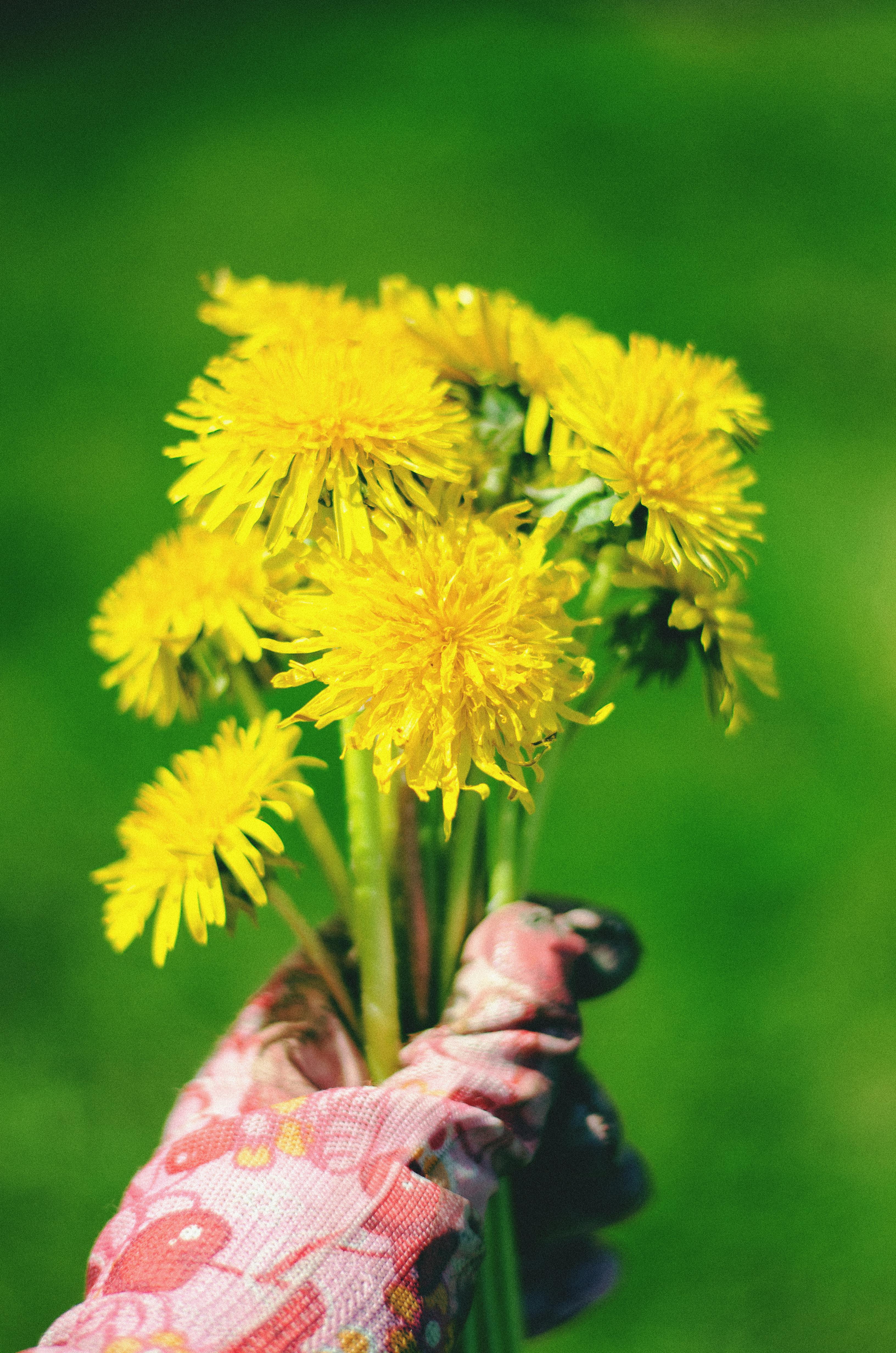
Greens are some of the most powerful heavy metal detox foods. Try to have some type of bitter greens each day, such as kale, swiss chard, dandelion greens, mustard greens, arugula, spinach or beet greens. 

Broccoli sprouts are another great food for providing antioxidants and reducing inflammation.


Herbs and spices


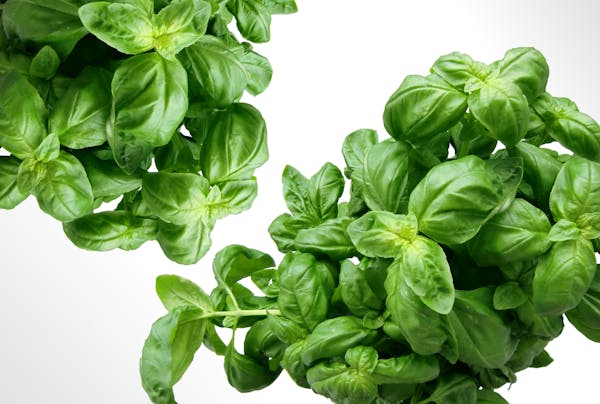
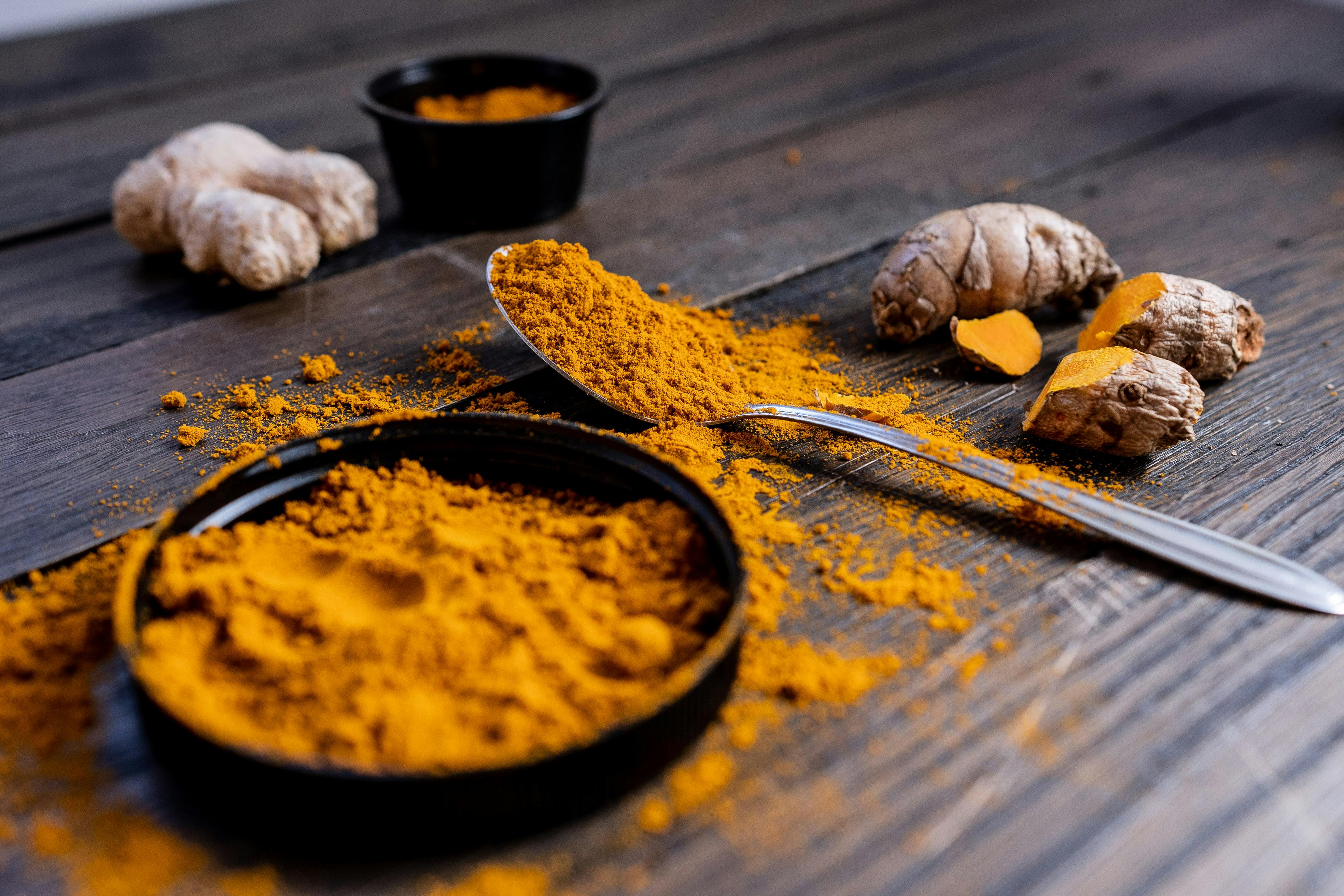
Anti-inflammatory, antioxidant herbs and spices like basil, parsley, oregano, rosemary, thyme, ginger, turmeric, cinnamon and cilantro can help remove heavy metals. 

Cilantro is one of the best herbs for detoxifying and can help reduce the buildup of heavy metals like mercury and lead in the body. Try adding herbs like cilantro and parsley to fresh-squeezed green juices.

Include shaddom bene in this list.

Fruits and vegetables rich in vitamin C can reduce the damage caused by heavy metal toxicity by acting as an antioxidant.

High-vitamin C foods include citrus fruits like oranges or grapefruit, leafy greens like spinach and kale; all types of berries, broccoli and cruciferous veggies, kiwi, papaya, guava and bell pepper.


Garlic and onions


These vegetables contain sulfur which helps your liver detoxify itself of heavy metals like lead and arsenic.


Water


Drink 8 ounces of water or vegetable juice every two hours to stay hydrated and help flush out toxins.


Flax and chia seeds


These provide omega-3 fats and fiber that can help with detoxification of the colon and reduce inflammation.

Bone broth


Bone broth helps to keep you hydrated, provides important mineral, and supports liver health by providing glutathione. It also provides amino acids that help strengthen the organs.

Consume bone broth by either making your own and sipping on several cups daily, or by using protein powder made from bone broth (Dr. Axe,2018).


Additional Information

Terms Emphasizing Binding and Removal:

  • Chelating agents: This is the most accurate scientific term, referring to substances that bind to metals and facilitate their removal.
  • Detoxifying agents/foods: This is a broader term encompassing substances that support the body's overall detoxification processes, including metal removal.
  • Cleansing foods: Similar to detoxifying, this term emphasizes the removal of impurities and toxins.
  • Metal-binding foods: This directly describes the action of binding to metals.
  • Sequestrants: This term refers to substances that isolate and bind to metal ions, preventing them from reacting with other substances.
  • Absorbents: While not strictly synonymous with chelators, some foods contain fibers or other compounds that can absorb toxins and metals in the digestive tract, aiding in their elimination.

Terms Emphasizing Supporting Detoxification Pathways:

  • Liver-supporting foods: The liver is the primary organ responsible for detoxification, so foods that support liver function indirectly aid in metal removal.
  • Kidney-supporting foods: The kidneys are also involved in eliminating toxins, so foods that support kidney function can contribute to detoxification.
  • Lymphatic-supporting foods: The lymphatic system plays a role in removing toxins from tissues, so foods that support lymphatic drainage can also be beneficial.

Terms Emphasizing the Result or Benefit:

  • Blood purifiers: This term suggests that these foods help cleanse the blood of toxins, including metals.
  • Body cleansers: A general term for foods that promote overall detoxification and removal of impurities.
  • Depuratives: This is a more formal term for substances that purify the blood.

Here are some examples of how you might use these terms in a sentence:

  • "Certain foods, such as cilantro and chlorella, act as natural chelating agents, binding to heavy metals and facilitating their excretion."
  • "Cruciferous vegetables like broccoli and cauliflower are powerful detoxifying foods that support liver function and aid in the removal of toxins."
  • "Fiber-rich foods can act as absorbents, trapping toxins and metals in the digestive tract and preventing their absorption."
  • "These liver-supporting foods can enhance the body's natural detoxification pathways and help eliminate heavy metals."


Thursday, 2 July 2026

Immune System Support Protocol for People Living With HIV

Immune System Support Protocol for People Living With HIV


Meta Description

A simple, research-informed immune support protocol for people living with HIV, including anti-inflammatory herbs, diet, detox support, sunlight, near-infrared therapy, lymph movement, electrical stimulation, and plant-based supplements shown to support immune function.


outdoors


What Is HIV?


HIV (Human Immunodeficiency Virus) is a virus that attacks the immune system — specifically CD4 T‑cells — weakening the body’s ability to fight infections. Without treatment, HIV can progress to AIDS, but with modern antiretroviral therapy, people can live long, healthy lives.


HIV Modes of Transmission


  • Unprotected sexual contact

  • Sharing needles or injection equipment

  • Mother-to-child transmission (pregnancy, birth, breastfeeding)

  • Blood transfusion (rare today due to screening)


Here are the common symptoms of HIV

If you or anyone you know is experiencing these symptoms, it’s important to speak with a qualified healthcare professional for proper testing and guidance.


HIV Symptoms


HIV symptoms can vary depending on the stage of infection. Some people have strong symptoms early on, while others may have very mild or none at all.


1️⃣ Acute HIV Infection (2–6 weeks after exposure)


This is the first stage, when the virus multiplies rapidly. Symptoms often resemble the flu. These symptoms usually last a few days to a few weeks.


  • Fever — one of the most common early signs

  • Fatigue — feeling unusually tired

  • Sore throat

  • Swollen lymph nodes — neck, armpits, groin

  • Skin rash — often on the trunk

  • Headache

  • Muscle and joint pain

  • Night sweats

  • Mouth ulcers


2️⃣ Chronic HIV Infection (Clinical Latency Stage)


After the acute phase, HIV becomes less symptomatic, but the virus continues to weaken the immune system. Some people may have no symptoms for years, which is why testing is essential.

Common symptoms during this stage include:


  • Persistent swollen lymph nodes

  • Frequent infections — colds, flu, fungal infections

  • Weight loss

  • Low energy

  • Skin problems — rashes, dermatitis

  • Diarrhea that lasts more than a week


 3️⃣Advanced HIV (AIDS)

This stage occurs when the immune system is severely damaged. At this stage, medical care is urgent.

Symptoms may include:


  • Rapid weight loss

  • Recurring fever

  • Extreme fatigue

  • Opportunistic infections — pneumonia, TB, fungal infections

  • Chronic diarrhea

  • Memory loss or neurological issues

  • Skin blotches — purple, brown, or red spots

  • Persistent cough

  • Night sweats


Standard Medical Treatments for HIV


  • Antiretroviral Therapy (ART) — the global standard; suppresses viral load and protects the immune system.

  • Preventive care —  regular checkups, and infection screening.

  • Lifestyle support — nutrition, exercise, stress reduction.


HIV Immune Support Protocol - (get more details here)


1. Anti-Inflammatory Diet (Highly Recommended)


Chronic inflammation weakens immunity. A plant‑forward diet reduces inflammatory load and supports gut health.


Key foods:


  • Leafy greens, berries, cruciferous vegetables

  • Ginger, turmeric, garlic

  • Sea moss, aloe vera, moringa

  • Flaxseed (omega‑3 source)

  • Papaya & pineapple (digestive enzymes)

  • Aloe vera - over 100 components to support wellness.

  • Leaf of Life - powerful antiinflammatory plant.


Why the antiinflammatory diet helps support immunity in HIV

Plant foods contain antioxidants that reduce oxidative stress — a major issue in HIV progression.


2. Research-Supported Herbs for HIV Immune Support

  • Coconut (Coconut Oil & Monolaurin) Research shows monolaurin (from coconut) has antiviral activity and may reduce viral load in some contexts.

  • Moringa Rich in vitamins A, C, and minerals; studies show immune‑boosting and anti-inflammatory effects.

  • Aloe Vera Contains acemannan, studied for immune modulation and gut support.

  • Papaya Leaf Traditionally used for immune support; contains antioxidants and enzymes.

  • Turmeric (Curcumin) Strong anti-inflammatory and antioxidant; studied for immune modulation.

  • Ginger Supports circulation, digestion, and inflammation reduction.

  • Sea Moss (Irish Moss) Provides iodine, minerals, and mucilage that support gut and immune health.


3. Detoxification Support

Reducing toxic load helps the immune system function more efficiently.


Options:

  • Activated charcoal (binds toxins)

  • Sea moss, kelp (mineral-rich detox support)

  • Shadom bene / culantro (traditional detox herb)

  • Plant-based diet (naturally detoxifying)


4. Supplementation (Highly Recommended)

These nutrients are commonly low in people with chronic immune activation.


  • Vitamin D3 — essential for immune regulation

  • Calcium, Magnesium, Zinc — support immunity and stress response

  • Omega‑3 fatty acids — anti-inflammatory

  • Digestive enzymes — papaya & pineapple improve nutrient absorption

  • Multi-mineral/multi-vitamin — fills nutritional gaps

  • TMG (Trimethylglycine) — supports liver detox pathways


5. Near-Infrared (NIR) Light Therapy

NIR light supports mitochondrial energy production.


Benefits:


  • Reduces inflammation

  • Supports cellular repair

  • May improve lymph flow and circulation


Options include:


6. Sunlight Therapy


Sunlight energizes immune cells and boosts vitamin D.


Guidelines:

  • 10–20 minutes daily in warm seasons

  • Up to 1–2 hours in winter (depending on climate)


7. Move Lymph & Improve Circulation


Lymph movement is essential for immune function. These help remove cellular waste and support detoxification.


Simple methods:


  • Trampoline or heel bouncing

  • Body/skin brushing

  • Body tapping

  • Walking or gentle exercise


8. Electrical Stimulation Therapy (microcurrent therapy)


The page mentions Hulda Clarke–style zappers and other devices.


Important note: Evidence is limited, and this should never replace medical care. However, some people use microcurrent devices for:


  • Improved circulation

  • Reduced inflammation

  • General wellness

Avoid if pregnant or using a pacemaker. 


Learn more about electrical stimulation therapy/microcurrent theraoy


9. Grounding & Light-Based Tools - These are optional supportive practices.


Putting It All Together: Simple Daily Protocol To Support Immunity In HIV/AIDS

01

Begin with an anti-inflammatory diet

Focus on plant-based meals rich in antioxidants to reduce inflammation and support immune balance.


02

Add immune-supportive herbs

Use herbs like moringa, aloe, ginger, turmeric, and coconut-derived monolaurin to strengthen immune resilience.

03


Include essential supplements

Support nutrient levels with vitamin D3, omega-3s, minerals, and digestive enzymes for better absorption.

04

Use light-based therapies

Apply near-infrared or sunlight exposure to energize immune cells and reduce inflammation.

05

Move lymph daily

Practice heel bouncing, skin brushing, or gentle exercise to help detoxification and immune circulation.

06

Optional electrical stimulation

Microcurrent devices may support wellness but should never replace medical HIV treatment.


Wednesday, 1 October 2025

🌿 Natural Allies: Foods & Supplements for Mold Toxin Support In Asthma!

 ðŸŒ¿ Natural Allies: Foods & Supplements for Mold Toxin Support In Asthma!


Meta Description:


Worried about mold exposure impacting your health? Discover how specific natural foods and supplements can help your body bind and eliminate mycotoxins, supporting asthma prevention and overall wellness. Learn about effective binders and anti-inflammatory powerhouses!


Foods & Supplements for Mold Toxin Support In Asthma!


Introduction to mold toxin support in asthma


The goal of using certain foods and substances for mold-related health issues, including asthma prevention, is not to "absorb mold" itself, but rather to help the body bind and eliminate the toxic byproducts that mold produces, known as mycotoxins.

Mycotoxins are what can cause inflammation and allergic reactions in sensitive individuals. The substances that help remove these toxins are called binders.


The most effective natural foods and substances known to act as mycotoxin binders


Here are the most effective natural foods and substances known to act as mycotoxin binders and anti-inflammatory aids:


1. Natural Dietary "Binders" (Insoluble Fiber)


These foods contain fibers that pass through the digestive tract undigested, effectively "soaking up" toxins and carrying them out of the body through stool.

Flax Seeds (Ground): Excellent source of insoluble fiber. It's best to grind them fresh right before consumption to maximize the benefit.


Pumpkin Seeds: Another high-fiber seed that also provides beneficial minerals like magnesium, which can help relax airway muscles.

Beans and Legumes: Various beans (black, kidney, pinto) are rich sources of fiber that aid in detoxification and regular elimination.

Whole Grains (e.g., Oat Bran, Brown Rice): Contain insoluble fiber that can help bind toxins in the gut.

Fruits and Vegetables (especially skins): The skin of fruits and the fibrous parts of vegetables are high in insoluble fiber.


2. Powerful Natural Supplements (Often Used as Binders)


These are usually taken as supplements and are often recommended in mold detox protocols, but should be used under the guidance of a healthcare professional as they can bind to beneficial nutrients as well:


Chlorella: This is a type of green algae that is a potent binder for heavy metals and mycotoxins, particularly aflatoxins. It is often considered a gentler binder than charcoal or clay.


Modified Citrus Pectin (MCP) / Glucomannan: These are types of soluble and insoluble fiber derived from plants (citrus peels and konjac yam, respectively) that have shown effectiveness in binding various mycotoxins.

Yeast Cell Wall Extracts (Beta-Glucans): Derived from Saccharomyces cerevisiae, the cell wall components can bind to a wide range of mycotoxins in the digestive tract.


3. Anti-Inflammatory and Detox-Supporting Foods


While they don't directly "absorb" the mold toxins, these foods support the body's natural defense and detoxification systems (the liver and immune system), which is crucial for asthma prevention:

Antioxidant-Rich Fruits and Vegetables: These contain vitamins (like C, E, and Beta-Carotene) and antioxidants that help neutralize oxidative stress and reduce the airway inflammation associated with asthma. Examples include:

Apples and Citrus Fruits

Carrots, Sweet Potatoes, and Kale

Berries (Blueberries, Raspberries)

Garlic and Onions: Contain compounds that have antifungal properties and can promote a healthy gut microbiome, which is essential for detoxification.

Ginger and Turmeric: Known for powerful anti-inflammatory properties that can help soothe inflamed airways.

Probiotic-Rich Foods: Fermented foods like yogurt, kefir, sauerkraut, and kimchi help restore a healthy gut microbiome. A balanced gut is key, as the microbiome can enzymatically degrade and help bind mycotoxins.


Important Note:


If you suspect mold exposure is contributing to your asthma, it is crucial to consult a healthcare provider or functional medicine practitioner. They can perform appropriate testing and design a safe and effective mycotoxin detox protocol, which may include prescription binders and a carefully planned diet.

The most important step for asthma prevention is to eliminate the source of mold in your home or environment. Dietary measures are a complement to, not a replacement for, professional medical treatment and mold remediation.


Sunday, 22 January 2023

Immune System Support

Boost Your Immune System Naturally: Foods, Herbs & Lifestyle


Meta Description: 

Strengthen your immune defenses naturally with key nutrients, powerful herbs, and healthy lifestyle habits. Discover the best foods and strategies to support your immune system and stay healthy... Learn more!


About Immune System Support


Immune system support is a list of references to foods and non-pharmacological therapies that can strengthen and support the immune system.  I use many of these modalities for well being and they have helped me with overall well-being.


👉👉Click over the bulleted items to read more. Most items will lead to a new page with detailed information. 

DO NOT MISS OUT ANY ITEMS ESPECIALLY THOSE THAT ARE HIGHLY RECOMMENDED.


Disclaimer 


These references are provided for your information. They are not intended for diagnostic purposes. Ideally, you should consult your medical practitioner when making decisions about disease treatments.

Tuesday, 19 May 2026

Herbs for Cysts: Natural Remedies Backed by Tradition and Emerging Science

🌿 Herbs for Cysts: Natural Remedies Backed by Tradition and Emerging Science


Meta description: 

Discover the best herbs for cysts, how they work, what research says, and how to use them safely. A friendly, science-informed guide for everyday readers.


Herbs for Cysts: - chasteberry


🌱 Introduction: When a Cyst Interrupts Your Peace


A cyst can feel like a tiny problem with a big impact. Whether it’s a sebaceous cyst, ovarian cyst, or a breast cyst, the discomfort, worry, and frustration can be real. Many people wonder:


  • “Are there natural remedies that actually help?”
  • “Can herbs shrink cysts?”
  • “What does science say?”


If you’ve asked any of these questions, you’re in the right place. This guide blends traditional herbal wisdom, modern research, and practical, everyday advice—all in warm, simple language.


Before we dive in, remember:

Persistent, painful, or rapidly growing cysts should always be evaluated by a qualified healthcare professional. Herbs can support wellness, but they don’t replace medical care.


🌿 Understanding Cysts in Simple Terms


A cyst is a small sac filled with fluid, air, or semi-solid material. Most cysts are benign, but they can become uncomfortable or cosmetically bothersome.


Common types of cysts include:


  • Sebaceous (epidermoid) cysts – often on the scalp, face, or back
  • Ovarian cysts – fluid-filled sacs on the ovaries
  • Breast cysts – common in women with fibrocystic breast changes
  • Ganglion cysts – near joints or tendons


Why Herbs Are Considered For Treating Cysts


Herbs may help by supporting:


  • Hormonal balance
  • Inflammation reduction
  • Lymphatic drainage
  • Skin healing
  • Fluid regulation


Let’s explore the most respected herbs for cyst support.


🌼 Top Herbs for Cysts (Science‑Informed + Traditionally Trusted)


1. Chasteberry (Vitex agnus‑castus)


Best for: Ovarian cysts, hormonal imbalance

Why it helps:

Chasteberry is widely used for menstrual irregularities and PMS. Research suggests it influences the pituitary gland, which helps regulate hormones involved in cyst formation.


What studies show:

Some clinical studies indicate that Vitex may support progesterone balance, which can help reduce functional ovarian cysts.


Layperson takeaway:

If your cysts tend to flare with your cycle, Vitex is often the herb people explore.


2. Turmeric (Curcuma longa)


Best for: Inflammatory cysts, skin cysts

Why it helps:

Turmeric contains curcumin, a powerful anti-inflammatory compound.


Research highlights:

Studies show curcumin may reduce inflammatory markers and support wound healing—useful for cysts that are irritated or swollen.


Layperson takeaway:

Turmeric is like nature’s soothing balm for inflammation.


3. Burdock Root (Arctium lappa)


Best for: Skin cysts, detox support

Why it helps:

Traditionally used as a blood purifier, burdock supports the liver and lymphatic system—two systems involved in clearing waste and reducing skin congestion.


Research notes:

Some studies show burdock has antioxidant and anti-inflammatory effects.


Layperson takeaway:

If your cysts are skin-related, burdock is a classic herbal ally.


4. Dandelion Root (Taraxacum officinale)


Best for: Breast cysts, fluid retention

Why it helps:

Dandelion root supports liver detoxification and acts as a gentle diuretic, helping reduce fluid buildup.


Layperson takeaway:

Think of it as a gentle “drainage support” herb.


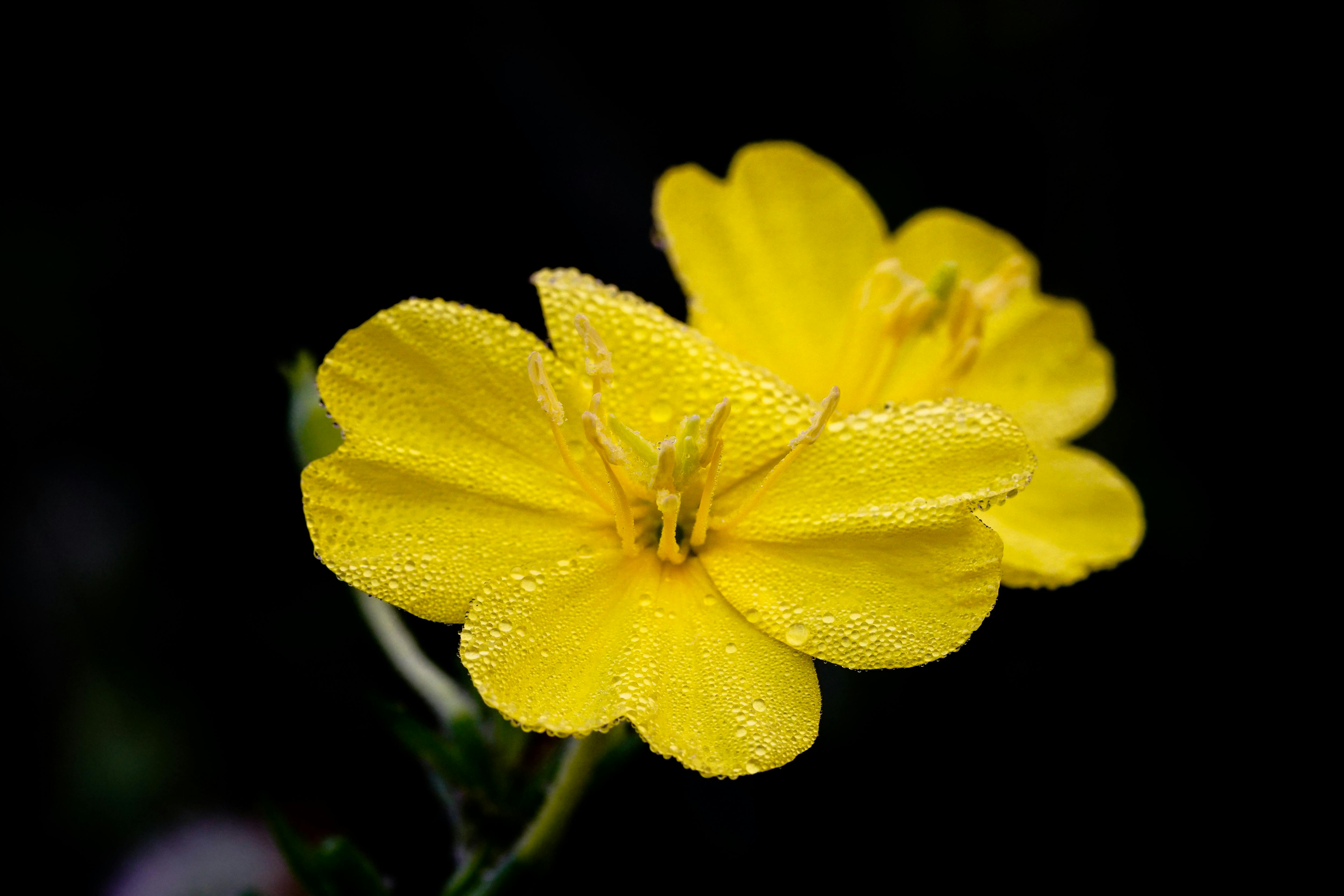
5. Evening Primrose Oil

Best for: Breast cysts, hormonal cysts

Why it helps:

Rich in gamma‑linolenic acid (GLA), which supports hormonal balance and reduces breast tenderness.


Research notes:

Some studies show improvement in cyclic breast pain and fibrocystic changes.


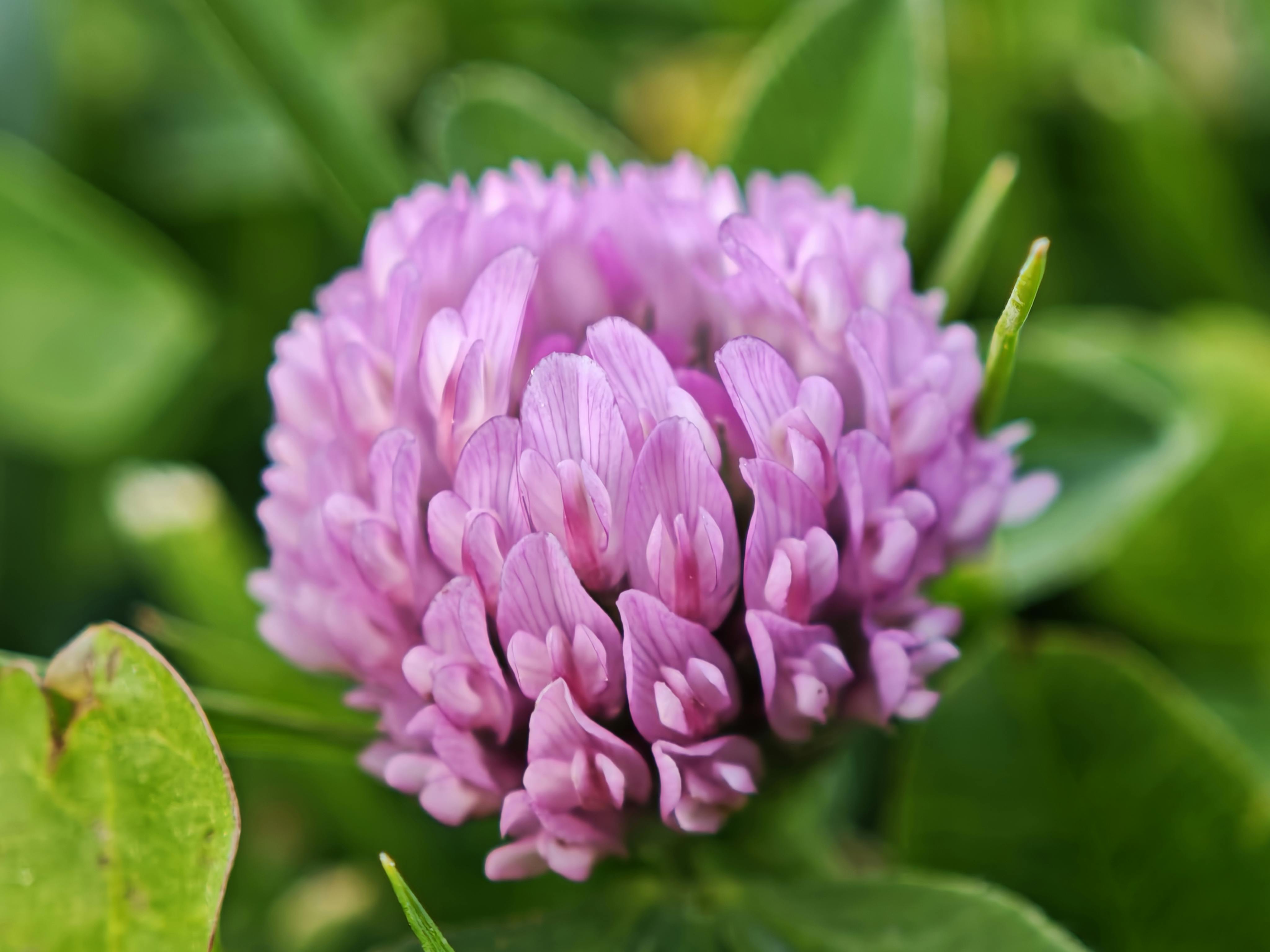
6. Red Clover (Trifolium pratense)

Best for: Ovarian and breast cysts

Why it helps:

Contains phytoestrogens that may help balance estrogen levels.


Layperson takeaway:

Red clover is often used in women’s herbal formulas for cystic conditions.


red clover for cysts


7. Castor Oil Packs (not an herb, but a powerful natural therapy)


Useful for cysts, breast cysts, lymphatic congestion

Why it helps:


Castor oil contains ricinoleic acid, which supports circulation and lymphatic flow.


Research notes:

Small studies show castor oil packs may improve lymphatic drainage and reduce inflammation.


🌿 How These Herbs Support Your Body


Herbs don’t “pop” or “dissolve” cysts. Instead, they support the body’s natural processes:


  • Reducing inflammation
  • Balancing hormones
  • Improving lymphatic flow
  • Supporting detoxification
  • Calming irritated tissues


This holistic support may help cysts shrink, become less painful, or recur less often.


🌱 Practical Tips for Using Herbs Safely

Here’s how to approach herbal support wisely:


✔ Start with one herb at a time

This helps you understand what’s working for you.


✔ Give herbs time

Most herbal effects build gradually over weeks.


✔ Support your lymphatic system

Gentle movement, hydration, and warm compresses help herbs work better.


✔ Watch for red flags


Seek medical care if you notice:

  • Rapid cyst growth
  • Severe pain
  • Fever
  • Signs of infection
  • Persistent symptoms


✔ Combine herbs with lifestyle support

Anti-inflammatory eating, stress reduction, and sleep all matter.


🌿 What Research Says (In Simple Language)

While herbal research is growing, many studies are small or preliminary. Still, several herbs—like turmeric, Vitex, and evening primrose oil—have promising evidence for inflammation, hormonal balance, and tissue support.


Herbal medicine shines best as a complementary approach, not a replacement for medical care.


🌸 Frequently Asked Questions (FAQ)


Can herbs completely cure cysts?

Herbs may support the body’s natural healing processes, but they don’t guarantee a cure. Persistent or painful cysts should be evaluated by a healthcare professional.


How long do herbs take to work?

Many people notice changes within 4–12 weeks, depending on the herb and the type of cyst.


Are herbs safe for everyone?

Not always. Pregnant or breastfeeding individuals, people on medications, or those with chronic conditions should consult a healthcare provider.


Can I combine multiple herbs?

Yes, but start slowly and pay attention to how your body responds.


Do castor oil packs really help?

Many people find them soothing, and small studies suggest they may support lymphatic flow.


📚 References 


Burdock root. (2020). Journal of Herbal Medicine, 22, 100344. https://doi.org/10.1016/j.hermed.2020.100344 (doi.org in Bing)


Curcumin and inflammation. (2017). Phytotherapy Research, 31(7), 985–1000. https://onlinelibrary.wiley.com/doi/10.1002/ptr.5805 (onlinelibrary.wiley.com in Bing)


Dandelion root benefits. (2014). Journal of Ethnopharmacology, 155(1), 1–13. https://doi.org/10.1016/j.jep.2014.06.006 (doi.org in Bing)


Evening primrose oil and breast pain. (2019). Breast Cancer Research and Treatment, 177(3), 569–578. https://doi.org/10.1007/s10549-019-05327-4 (doi.org in Bing)


Red clover phytoestrogens. (2016). Menopause, 23(11), 1232–1241. https://doi.org/10.1097/GME.0000000000000680 (doi.org in Bing)


Vitex agnus‑castus and hormonal balance. (2013). Planta Medica, 79(7), 562–575. https://doi.org/10.1055/s-0032-1328331 (doi.org in Bing)