

🌿 Herbs for Cysts: Natural Remedies Backed by Tradition and Emerging Science
Meta description:
Discover the best herbs for cysts, how they work, what research says, and how to use them safely. A friendly, science-informed guide for everyday readers.

🌱 Introduction: When a Cyst Interrupts Your Peace
A cyst can feel like a tiny problem with a big impact. Whether it’s a sebaceous cyst, ovarian cyst, or a breast cyst, the discomfort, worry, and frustration can be real. Many people wonder:
- “Are there natural remedies that actually help?”
- “Can herbs shrink cysts?”
- “What does science say?”
If you’ve asked any of these questions, you’re in the right place. This guide blends traditional herbal wisdom, modern research, and practical, everyday advice—all in warm, simple language.
Before we dive in, remember:
Persistent, painful, or rapidly growing cysts should always be evaluated by a qualified healthcare professional. Herbs can support wellness, but they don’t replace medical care.
🌿 Understanding Cysts in Simple Terms
A cyst is a small sac filled with fluid, air, or semi-solid material. Most cysts are benign, but they can become uncomfortable or cosmetically bothersome.
Common types of cysts include:
- Sebaceous (epidermoid) cysts – often on the scalp, face, or back
- Ovarian cysts – fluid-filled sacs on the ovaries
- Breast cysts – common in women with fibrocystic breast changes
- Ganglion cysts – near joints or tendons
Why Herbs Are Considered For Treating Cysts
Herbs may help by supporting:
- Hormonal balance
- Inflammation reduction
- Lymphatic drainage
- Skin healing
- Fluid regulation
Let’s explore the most respected herbs for cyst support.
🌼 Top Herbs for Cysts (Science‑Informed + Traditionally Trusted)
1. Chasteberry (Vitex agnus‑castus)
Best for: Ovarian cysts, hormonal imbalance
Why it helps:
Chasteberry is widely used for menstrual irregularities and PMS. Research suggests it influences the pituitary gland, which helps regulate hormones involved in cyst formation.
What studies show:
Some clinical studies indicate that Vitex may support progesterone balance, which can help reduce functional ovarian cysts.
Layperson takeaway:
If your cysts tend to flare with your cycle, Vitex is often the herb people explore.

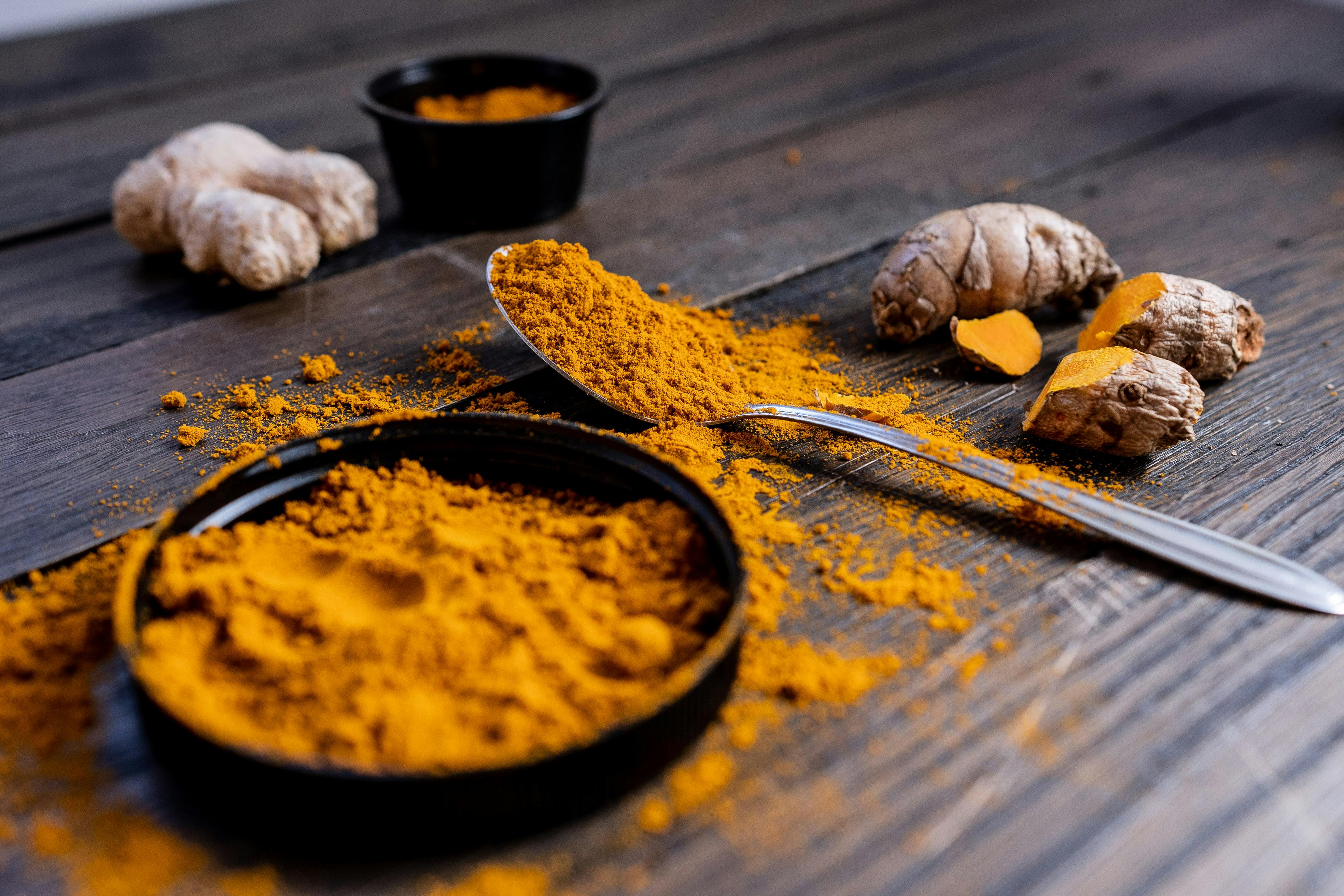
2. Turmeric (Curcuma longa)
Best for: Inflammatory cysts, skin cysts
Why it helps:
Turmeric contains curcumin, a powerful anti-inflammatory compound.
Research highlights:
Studies show curcumin may reduce inflammatory markers and support wound healing—useful for cysts that are irritated or swollen.
Layperson takeaway:
Turmeric is like nature’s soothing balm for inflammation.
3. Burdock Root (Arctium lappa)
Best for: Skin cysts, detox support
Why it helps:
Traditionally used as a blood purifier, burdock supports the liver and lymphatic system—two systems involved in clearing waste and reducing skin congestion.
Research notes:
Some studies show burdock has antioxidant and anti-inflammatory effects.
Layperson takeaway:
If your cysts are skin-related, burdock is a classic herbal ally.
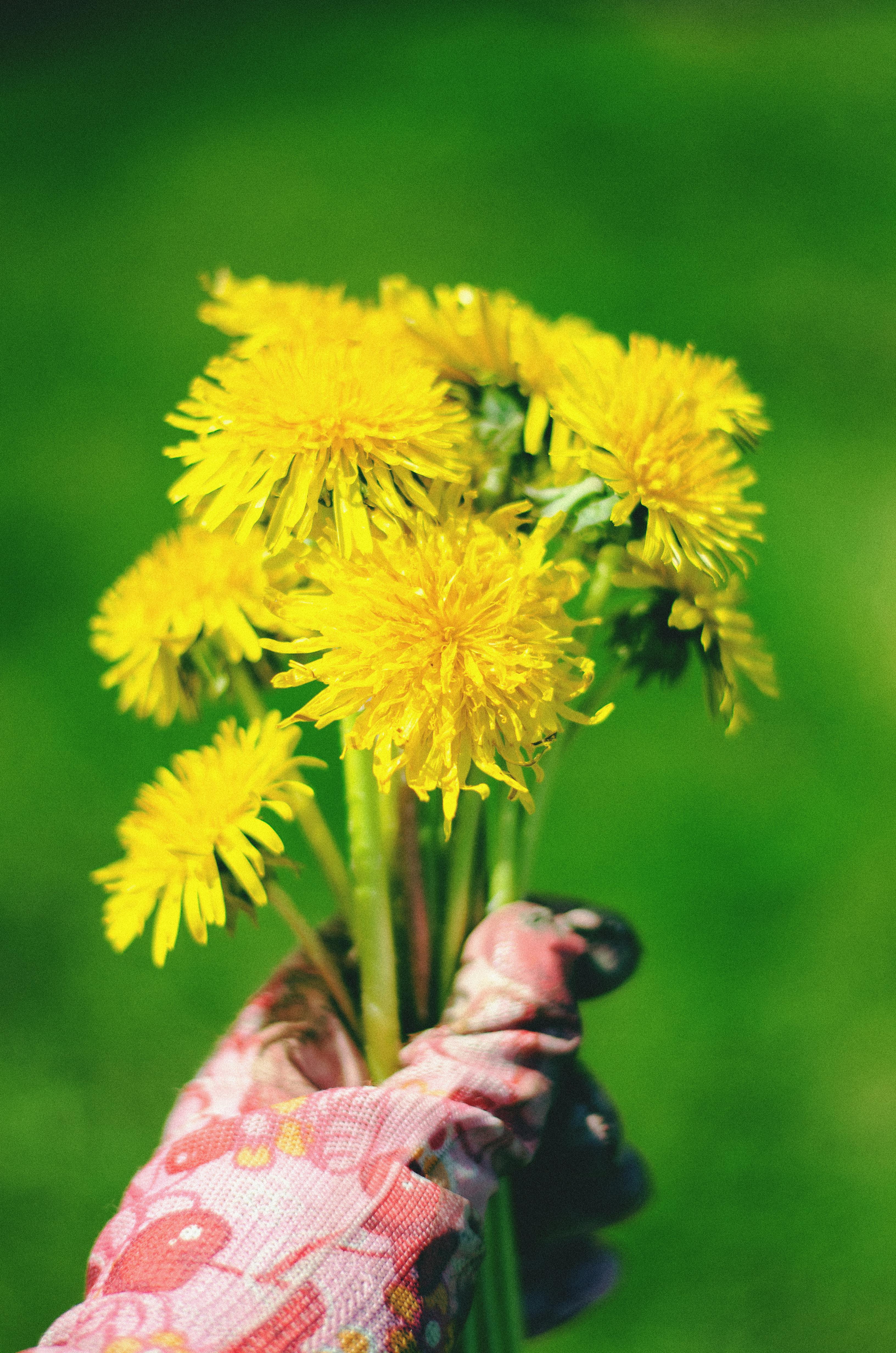
4. Dandelion Root (Taraxacum officinale)
Best for: Breast cysts, fluid retention
Why it helps:
Dandelion root supports liver detoxification and acts as a gentle diuretic, helping reduce fluid buildup.
Layperson takeaway:
Think of it as a gentle “drainage support” herb.
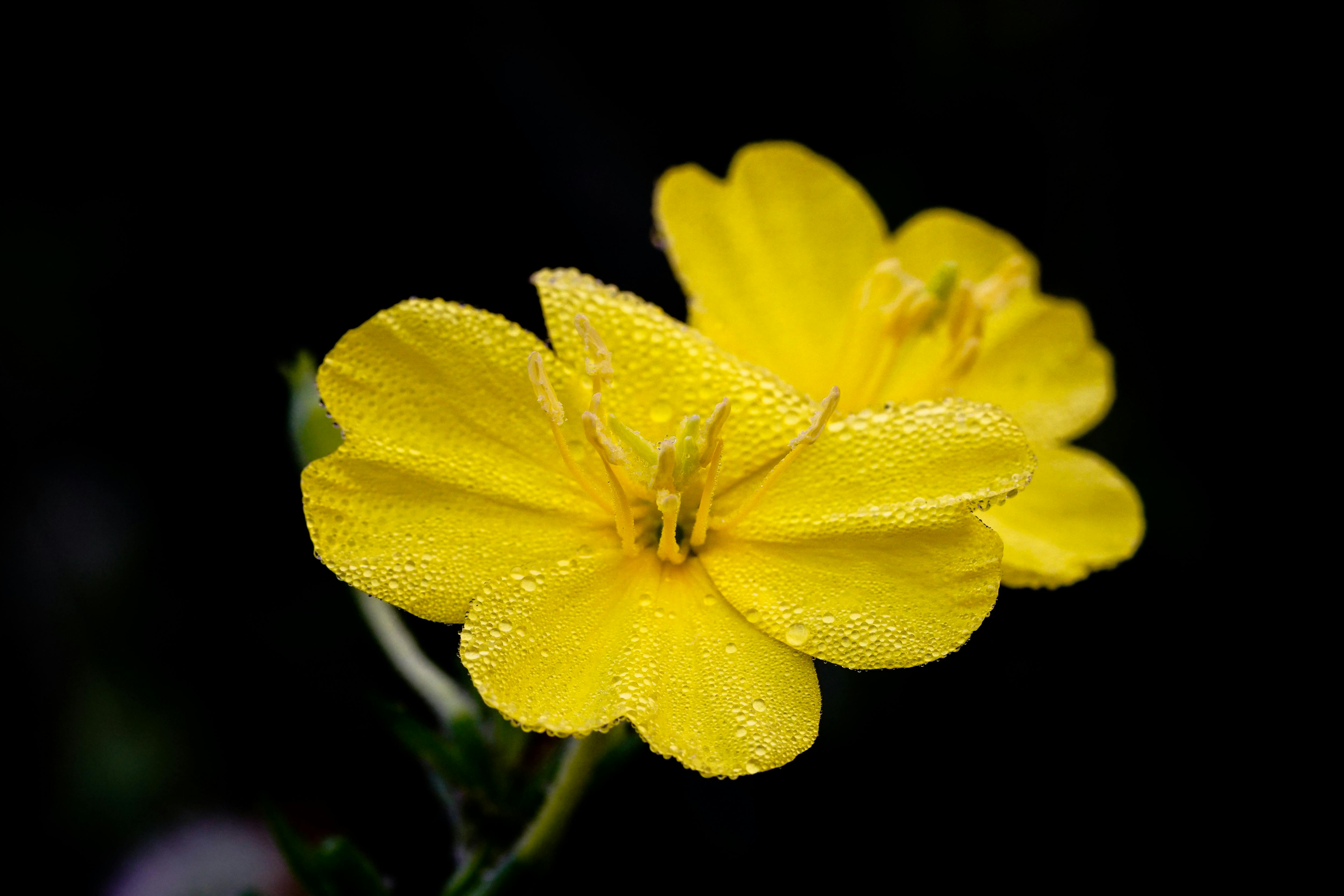
5. Evening Primrose Oil
Best for: Breast cysts, hormonal cysts
Why it helps:
Rich in gamma‑linolenic acid (GLA), which supports hormonal balance and reduces breast tenderness.
Research notes:
Some studies show improvement in cyclic breast pain and fibrocystic changes.
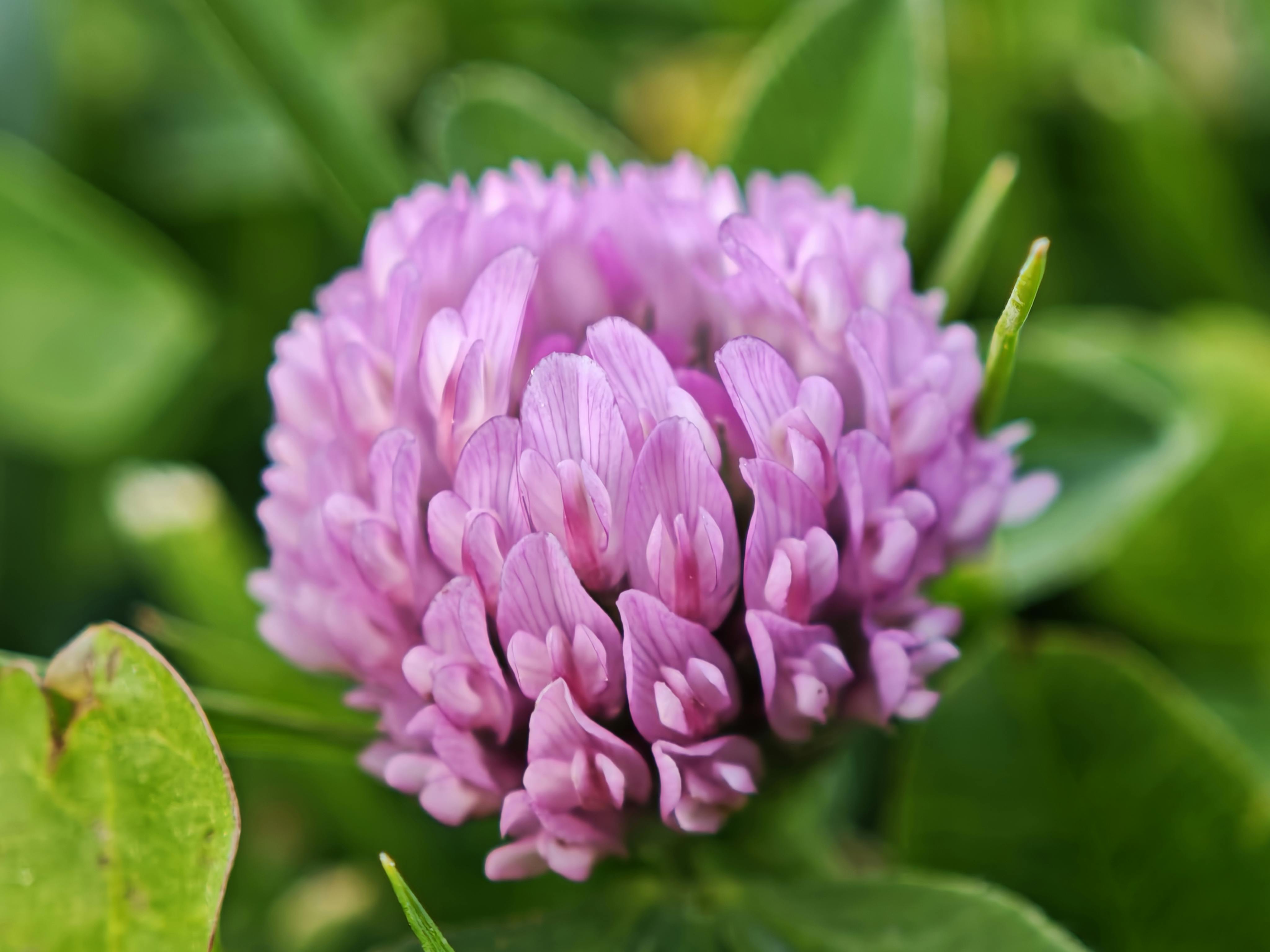
6. Red Clover (Trifolium pratense)
Best for: Ovarian and breast cysts
Why it helps:
Contains phytoestrogens that may help balance estrogen levels.
Layperson takeaway:
Red clover is often used in women’s herbal formulas for cystic conditions.
7. Castor Oil Packs (not an herb, but a powerful natural therapy)
Useful for cysts, breast cysts, lymphatic congestion
Why it helps:
Castor oil contains ricinoleic acid, which supports circulation and lymphatic flow.
Research notes:
Small studies show castor oil packs may improve lymphatic drainage and reduce inflammation.
🌿 How These Herbs Support Your Body
Herbs don’t “pop” or “dissolve” cysts. Instead, they support the body’s natural processes:
- Reducing inflammation
- Balancing hormones
- Improving lymphatic flow
- Supporting detoxification
- Calming irritated tissues
This holistic support may help cysts shrink, become less painful, or recur less often.
🌱 Practical Tips for Using Herbs Safely
Here’s how to approach herbal support wisely:
✔ Start with one herb at a time
This helps you understand what’s working for you.
✔ Give herbs time
Most herbal effects build gradually over weeks.
✔ Support your lymphatic system
Gentle movement, hydration, and warm compresses help herbs work better.
✔ Watch for red flags
Seek medical care if you notice:
- Rapid cyst growth
- Severe pain
- Fever
- Signs of infection
- Persistent symptoms
✔ Combine herbs with lifestyle support
Anti-inflammatory eating, stress reduction, and sleep all matter.
🌿 What Research Says (In Simple Language)
While herbal research is growing, many studies are small or preliminary. Still, several herbs—like turmeric, Vitex, and evening primrose oil—have promising evidence for inflammation, hormonal balance, and tissue support.
Herbal medicine shines best as a complementary approach, not a replacement for medical care.
🌸 Frequently Asked Questions (FAQ)
Can herbs completely cure cysts?
Herbs may support the body’s natural healing processes, but they don’t guarantee a cure. Persistent or painful cysts should be evaluated by a healthcare professional.
How long do herbs take to work?
Many people notice changes within 4–12 weeks, depending on the herb and the type of cyst.
Are herbs safe for everyone?
Not always. Pregnant or breastfeeding individuals, people on medications, or those with chronic conditions should consult a healthcare provider.
Can I combine multiple herbs?
Yes, but start slowly and pay attention to how your body responds.
Do castor oil packs really help?
Many people find them soothing, and small studies suggest they may support lymphatic flow.
📚 References
Burdock root. (2020). Journal of Herbal Medicine, 22, 100344. https://doi.org/10.1016/j.hermed.2020.100344 (doi.org in Bing)
Curcumin and inflammation. (2017). Phytotherapy Research, 31(7), 985–1000. https://onlinelibrary.wiley.com/doi/10.1002/ptr.5805 (onlinelibrary.wiley.com in Bing)
Dandelion root benefits. (2014). Journal of Ethnopharmacology, 155(1), 1–13. https://doi.org/10.1016/j.jep.2014.06.006 (doi.org in Bing)
Evening primrose oil and breast pain. (2019). Breast Cancer Research and Treatment, 177(3), 569–578. https://doi.org/10.1007/s10549-019-05327-4 (doi.org in Bing)
Red clover phytoestrogens. (2016). Menopause, 23(11), 1232–1241. https://doi.org/10.1097/GME.0000000000000680 (doi.org in Bing)
Vitex agnus‑castus and hormonal balance. (2013). Planta Medica, 79(7), 562–575. https://doi.org/10.1055/s-0032-1328331 (doi.org in Bing)

