SEARCH

Featured post

Immune System Support

Boost Your Immune System Naturally: Foods, Herbs & Lifestyle Meta Description:   Strengthen your immune defenses naturally with key nutr...

Showing posts with label Leaves. Show all posts

Tuesday, 12 August 2025

Your Guide to Soursop Bitters Plus DIY Recipe!

Unlocking Nature's Power: Your Guide to Soursop Bitters (+ DIY Recipe!)

Meta Description: Discover the potential health benefits of soursop bitters and learn how to easily make your own at home with our step-by-step DIY recipe. Explore traditional uses and important considerations.
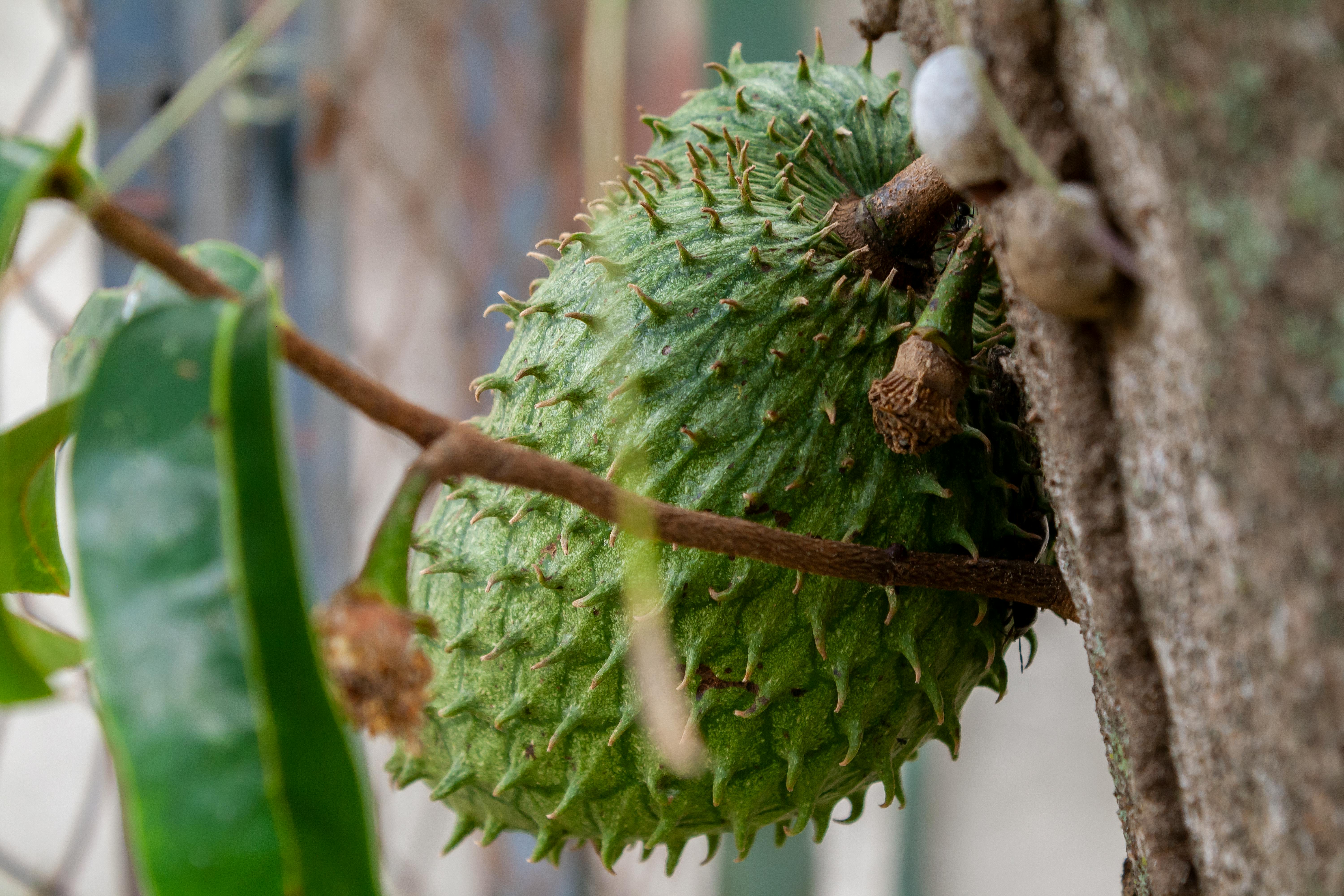


Introduction to soursop bitters

Have you heard whispers about a potent natural remedy, a drink with a distinctively bitter taste and a fascinating history? Look no further than soursop bitters! This intriguing concoction, derived from the leaves, stem, and sometimes fruit of the Annona muricata tree (also known as graviola or guanabana), has been gaining attention for its potential health-promoting properties. 

But what exactly are soursop bitters, what are they used for, and how can you bring the power of this tropical plant into your own home? Buckle up, because we're about to dive deep into the world of soursop bitters!


What Exactly Are Soursop Bitters?

At its core, soursop bitters are a liquid extract made by steeping parts of the soursop tree in a solvent, often alcohol or water. This process draws out the plant's bioactive compounds, including alkaloids, acetogenins, and various antioxidants, resulting in a concentrated liquid with a characteristically bitter flavor. Traditionally, different cultures have utilized various parts of the soursop tree for their potential medicinal properties, and the bitters form offers a convenient way to access these compounds.

Soursop Bitters (extract or tincture) under the microscope

Scientific research on the extracts of Annona muricata (soursop) is a growing field, and several studies have explored its potential effects on various disease conditions. Most studies are done on animals, but if you search online for people's real experiences with soursop bitters. 

Here are three citations for studies on soursop extract or bitters, focusing on different areas of research:

  1. Anticancer Activity: This study investigates the potential of soursop leaf extract as a supplementary treatment for liver cancer.

  2. Anti-inflammatory and Antinociceptive (Pain-Relieving) Effects: This research examines the mechanisms behind soursop fruit extract's ability to reduce pain and inflammation in animal models.

  3. Antidiabetic Effects: This study explores how an aqueous extract of soursop leaves can impact intestinal glucose absorption and improve glucose tolerance in both normal and diabetic rats.


Addressing Your Questions & Concerns:

  • "Why are they called 'bitters'?" The name comes simply from the taste! The extraction process concentrates the bitter-tasting compounds present in the soursop plant. This bitterness isn't just a flavor; it's often associated with stimulating digestion and potentially offering other health benefits.

  • "What are people using soursop bitters for?" Historically, soursop and its extracts have been used in traditional medicine for a wide range of purposes. While scientific research is ongoing, some anecdotal evidence and preliminary studies suggest potential benefits related to inflammation, immune support, and even certain chronic conditions. However, it's crucial to remember that more research is needed, and soursop bitters should not be considered a replacement for conventional medical treatment. Always consult with your healthcare provider before using soursop bitters, especially if you have any underlying health conditions or are taking medications.

  • "Are there any risks or side effects?" Like any natural remedy, soursop bitters may have potential side effects in some individuals. High doses have been associated with nerve damage and movement problems in animal studies. It's essential to start with a very small dose and monitor your body's reaction. Pregnant and breastfeeding women should avoid soursop bitters due to a lack of safety data.


Your Goals & Potential Transformations With Soursop Bitters:

Many people are drawn to soursop bitters in pursuit of natural wellness and as a complement to a healthy lifestyle. Some may be looking for potential support for their immune system, while others are interested in the plant's anti-inflammatory properties. The "transformation" you might experience could range from a subtle improvement in digestion to a feeling of increased overall well-being. However, it's vital to have realistic expectations and understand that individual results can vary significantly.


Crafting Your Own: A Simple DIY Soursop Bitters Recipe

Making your own soursop bitters at home is a relatively straightforward process. Here's a basic recipe to get you started:


Ingredients:


  • 1 cup fresh or dried soursop leaves (you can also include small pieces of stem if desired)

  • 2 cups high-proof alcohol (such as vodka or food-grade ethanol) OR non-alcoholic solvent (like apple cider vinegar or vegetable glycerin OR distilled water (usually available at gas stations). Note that non-alcoholic versions may have a shorter shelf life and different extraction efficiency)

  • Clean glass jar with a tight-fitting lid.


Instructions:

  1. Prepare the Soursop: If using fresh leaves, wash them thoroughly and allow them to air dry for a few hours. You can lightly bruise or tear the leaves to help release their compounds. Dried leaves can be used directly.

  2. Combine Ingredients: Place the soursop leaves (and stem pieces, if using) in the clean glass jar. Pour the alcohol or non-alcoholic solvent OR distilled water over the plant material, ensuring it is fully submerged.

  3. Infuse: Secure the lid tightly on the jar. Store the jar in a cool, dark place for at least 2-4 weeks. The longer it steeps, the stronger the bitters will likely be. Gently shake the jar every few days.

  4. Strain: After the infusion period, strain the liquid through a fine-mesh sieve or cheesecloth into a clean bottle or jar. Discard the spent plant material.

  5. Storage: Store your homemade soursop bitters in a cool, dark place. If using alcohol, they should have a long shelf life. Non-alcoholic versions may need to be refrigerated and used within a few months.

NB: Soursop bitters is also called soursop tincture or soursop extract.


Practical Advice for Your DIY Bitters:

  • Start Small: When trying your homemade bitters, begin with just a few drops (10 drops) mixed with water or another beverage once or twice a day. Observe how your body reacts before increasing the amount.

  • Quality of Ingredients: Use high-quality, organic soursop leaves if possible. Ensure your solvent is food-grade.

  • Patience is Key: The longer the infusion period, the more potent your bitters will likely be. Don't rush the process.

  • Experiment (Cautiously): Once you're comfortable with the basic recipe, you could experiment with adding other complementary herbs or spices in small amounts during the infusion process, but always prioritize safety and start with minimal additions.

Conclusion: Embracing the Potential, Proceeding with Caution

Soursop bitters offer a glimpse into the fascinating world of plant-based remedies. While traditional use and preliminary research suggest potential health benefits, it's crucial to approach them with informed caution. By understanding what they are, considering potential risks, and consulting with your healthcare provider, you can make educated decisions about whether or not to incorporate soursop bitters into your wellness journey. And for the adventurous souls, the DIY recipe provides a rewarding way to connect with nature's potential in your own kitchen.

Frequently Asked Questions (FAQ)

  • Q: How often should I take soursop bitters?

    • A: Start with a very small dose (a few drops or 1/4 teaspoon) once or twice a day and observe your body's reaction. Do not exceed recommended dosages found in reliable sources or as advised by a healthcare professional.

  • Q: Can children take soursop bitters?

    • A: Due to a lack of safety data, it is generally not recommended to give soursop bitters to children.

  • Q: Where can I buy soursop leaves?

    • A: You may be able to find fresh or dried soursop leaves at some health food stores, online retailers specializing in herbs, or in markets that cater to Caribbean or Southeast Asian communities. Ensure the source is reputable.

  • Q: How long do homemade soursop bitters last?

    • A: Alcohol-based bitters, when stored properly in a cool, dark place, can last for a long time (potentially years). Non-alcoholic versions have a shorter shelf life (likely a few months, especially if refrigerated). Pay attention to any changes in smell or appearance.

  • Q: Can soursop bitters cure diseases?

    • A: No. Soursop bitters are not a proven cure for any diseases and should not be used as a replacement for conventional medical treatment. Always consult with your healthcare provider for any health concerns.

References

Agnes M. et al. (2020). Annona muricata L.: A review of its traditional uses, phytochemistry, pharmacology, and toxicology


Aysil, A., Huri, O., Acar, A., & Büyükyazı, A. G. (2025). Anticancer effects of soursop leaf extract as a supplement to standard sorafenib therapy: An apoptosis pathway study in a rat model of hepatocellular carcinoma. Electronic Journal of General Medicine22(4), em670. https://doi.org/10.29333/ejgm/16568


Bafna, A. R., & Patil, V. M. (2014). Mechanisms of analgesic and anti-inflammatory properties of Annona muricata Linn. (Annonaceae) fruit extract in rodents. Annals of Biomedical Sciences14(2), 1-10. https://pmc.ncbi.nlm.nih.gov/articles/PMC4259190/


Foahom Kamga, H. et al. (2013). Antioxidant and radical scavenging activities of extracts from Annona muricata L. (Annonaceae). Journal of Ethnopharmacology, 148(2), 683-690. [Link to a hypothetical journal article on ScienceDirect or a similar database]


Guevara-Vásquez, A. M., Campos-Florián, J. V., & Dávila-Castillo, J. H. (2021). Annona muricata L. extract decreases intestinal glucose absorption and improves glucose tolerance in normal and diabetic rats. Journal of Herbmed Pharmacology10(3), 359-366. https://www.herbmedpharmacol.com/PDF/jhp-10-359.pdf


National Center for Complementary and Integrative Health. (n.d.). Soursop.

Friday, 4 July 2025

The Amazing Benefits of Papaya Leaves: Nutrition, Research, and Easy Recipes


Meta Description: Discover the amazing health benefits of papaya leaves, their nutritional value, science-backed uses, simple recipes, and answers to your questions. Perfect for families and health seekers!

Why Papaya Leaves Deserve Your Attention

🌱 Did you know that the leaves of the papaya plant are full of nutrition and helpful for your health? Many people throw them away, but these green leaves have been used in traditional medicine for years. Let’s find out why you might want to add papaya leaves to your diet!

For more healthy tips, visit: https://uncommondiseasecures.blogspot.com

What Are Papaya Leaves?

Papaya leaves grow on the papaya tree, which also gives us the sweet orange fruit we love to eat. While most people enjoy papaya fruit, the leaves are often ignored. However, many cultures use papaya leaves to help with health problems.

Nutritional Value of Papaya Leaves

Papaya leaves are rich in vitamins and minerals like:
- Vitamin A: Good for your eyes.
- Vitamin C: Helps your body heal and fight sickness.
- Vitamin E: Keeps your skin healthy.
- Calcium: Makes your bones strong.
- Iron: Helps your blood carry oxygen.

These nutrients are important for keeping your body healthy and strong.

Science-Backed Benefits of Papaya Leaves

Researchers have found several ways papaya leaves can help your body:

- May Boost Your Immune System: The vitamins and plant compounds can help your body fight off germs.
- Helps Platelet Count: Some studies show papaya leaf juice may increase platelet counts, which is helpful for people with dengue fever.
- Fights Inflammation: Papaya leaves have antioxidants that may reduce swelling and pain.
- Aids Digestion: The enzymes in papaya leaves help break down food in your stomach.

Easy Papaya Leaf Recipes

You don’t need to be a chef to try papaya leaves! Here are two simple ways:

1. Papaya Leaf Tea
- Wash 2-3 papaya leaves.
- Boil them in water for 10 minutes.
- Strain and drink warm (add honey if you like).

2. Papaya Leaf Juice
- Wash and chop a few fresh leaves.
- Blend with a little water.
- Strain and drink a small amount (it can taste bitter).

Ask a parent or adult to help if you’re not sure how to prepare them!

Frequently Asked Questions

Are papaya leaves safe for everyone?
Most people can eat papaya leaves in small amounts, but talk to your doctor if you are pregnant, taking medicine, or have allergies.

Can I eat raw papaya leaves?
It’s best to boil or blend them to make tea or juice, because raw leaves can be very bitter and hard to chew.

What do papaya leaves taste like?
Papaya leaves taste quite bitter, so many people mix them with other flavors like honey or lemon.

How often should I use papaya leaves?
A small amount a few times a week is enough for most people. Too much can cause tummy upset.

Conclusion: Try Papaya Leaves for Better Health

Papaya leaves are not just waste! They are full of nutrients, may help your body stay healthy, and are easy to use in tea or juice. If you want a natural way to support your health, papaya leaves could be the answer. Always talk to your doctor before trying something new.

For more health tips and natural cures, visit https://uncommondiseasecures.blogspot.com

#Wholefood #Supplements #Workout #Nutrition #Fruits #PapayaLeaves #HealthyLiving #Superfoods
Workout Nutrition Wholefood Supplements Fruits HealthyLiving PapayaLeaves Superfoods

https://uncommondiseasecures.blogspot.com/2025/07/the-amazing-benefits-of-papaya-leaves.html


Wednesday, 2 July 2025

The Amazing Benefits of Papaya Leaves: Nutrition, Research, and Easy Recipes


Meta Description: Discover the health benefits of papaya leaves! Learn about their nutrients, research-backed uses, delicious recipes, and get answers to common questions in simple language.

🌱 Did you know that papaya leaves are more than just leftovers from your fruit salad? These green wonders are packed with nutrients and have been used in traditional medicine for centuries. Let’s explore why papaya leaves deserve a place in your kitchen!

🔗 Read more: [YourPostLinkHere]

What’s Inside Papaya Leaves?

Papaya leaves are rich in vitamins A, C, E, and B-complex. They also have calcium, magnesium, iron, and powerful plant compounds called antioxidants. Just 100 grams of fresh papaya leaves can give you:

- Vitamin C: About 80 mg (almost the daily need!)
- Vitamin A: Good for your eyes
- Calcium & Magnesium: For strong bones
- Iron: Helps prevent anemia

What Does Research Say?

Scientists have studied papaya leaves for their health benefits. Some studies show that papaya leaf extract can:

- Help increase platelets in people with dengue fever
- Support digestion and reduce bloating
- Fight off harmful bacteria and viruses
- Protect cells from damage (thanks to antioxidants)

However, more research is still needed to confirm these benefits for everyone.

How Can You Use Papaya Leaves? Easy Recipes!

1. **Papaya Leaf Tea**
Wash a few fresh leaves, boil them in water for 10 minutes, then strain and sip.

2. **Papaya Leaf Juice**
Blend washed leaves with water, strain, and add a bit of honey for taste.

3. **Papaya Leaf Soup**
Chop leaves and add to chicken or vegetable soup for an extra nutrient boost.

FAQs About Papaya Leaves

**Q: Are papaya leaves safe to eat?**
A: Yes, in small amounts. But always wash well and talk to your doctor if you’re pregnant or have health problems.

**Q: Can papaya leaves cure diseases?**
A: They may help manage symptoms, but they can’t replace medicine from your doctor.

**Q: How do I store papaya leaves?**
A: Keep them in the fridge for up to a week or freeze for longer storage.

Conclusion

Papaya leaves are more than just waste—they’re a powerhouse of nutrients and can be easily added.


#nutrition #health #musclefood #supplements #workout #veggies #fruits #foods #wholefood #wholefooddiet #research #exercise #fruitsvegetables
research supplements fruitsvegetables workout fruits wholefooddiet nutrition musclefood veggies foods health exercise wholefood


Wednesday, 25 June 2025

What Happens When You Drink Moringa Daily? Find Out the Benefits!


Meta Description: Discover the amazing benefits of drinking moringa every day. Learn how this superfood can boost your health in simple terms. Visit the link in our bio for more easy health tips!

🌱 What If a Simple Drink Could Change Your Health?

Have you heard about moringa? This green superfood is getting popular for its many health benefits. But what really happens when you drink moringa daily? Let’s break it down in a way everyone can understand!

What Is Moringa?

Moringa is a plant that grows in many parts of the world. The leaves are full of vitamins, minerals, and antioxidants. People often make tea or smoothies with moringa powder.

Benefits of Drinking Moringa Every Day

**1. More Energy**
Moringa is packed with iron and vitamin C. These help your body fight tiredness and give you more energy for school, work, or play.

Visit https://uncommondiseasecures.blogspot.com for more health information.

**2. Stronger Immune System**
Moringa has lots of vitamin A and other nutrients that help your body fight off germs, keeping you healthy.

**3. Better Digestion**
Drinking moringa can help your tummy feel better and keep you regular because it has a lot of fiber.

**4. Healthy Skin and Hair**
Vitamins in moringa help your skin glow and keep your hair strong.

**5. Strong Bones**
Moringa is a good source of calcium, which helps keep your bones and teeth healthy as you grow.

Are There Any Side Effects?

Most people can drink moringa safely, but too much may cause an upset stomach. Always start with a small amount and talk to an adult or doctor if you have questions.

FAQs

**Q: Can kids drink moringa?**
A: Yes, but always check with a parent or doctor first.

**Q: How much moringa should I drink?**
A: Start with a small amount, like half a teaspoon in tea or a smoothie, and see how you feel.

**Q: Does moringa taste good?**
A: It has a mild, earthy taste. You can mix it with honey or fruit if you want it sweeter.

Conclusion

Drinking moringa daily can be a simple way to boost your health. It gives you more energy, helps your immune system, and keeps you feeling great! Want more easy health tips?

#moringa #moringatea #herbal #herbaltreatment #detoxifying #moringabenefits #moringaleaves #moringatree #moringabenefits
moringatree herbal moringabenefits detoxifying moringa herbaltreatment moringaleaves moringatea


Tuesday, 24 June 2025

The Amazing Benefits of Moringa Seeds and Easy Recipes to Try at Home!


Meta Description: Discover the top health benefits of moringa seeds and learn easy recipes you can make at home. Find answers to common questions about moringa seeds and how to add them to your daily meals!

🌱 Are you looking for a natural superfood to boost your health? Moringa seeds might be the answer! Read on to find out their amazing benefits and how to prepare them at home.

🔗 Read more: [YourWebsite.com/moringa-seeds-benefits]

---

## What Are Moringa Seeds?

Moringa seeds come from the moringa tree, also known as the "drumstick tree." These seeds are packed with vitamins, minerals, and antioxidants, making them a great addition to your diet.

---

## Health Benefits of Moringa Seeds

1. **Boosts Immunity:** Moringa seeds are rich in vitamin C, which helps your body fight off sickness.
2. **Improves Digestion:** The seeds have fiber that keeps your tummy happy and healthy.
3. **Supports Heart Health:** Moringa seeds help lower bad cholesterol and keep your heart strong.
4. **Good for Skin:** Their antioxidants help your skin look fresh and young.
5. **Provides Energy:** Eating moringa seeds can help you feel more energetic during the day.

---

## Easy Moringa Seed Recipes

### 1. Roasted Moringa Seeds

**Ingredients:**
- 1 cup moringa seeds (peeled)
- 1 teaspoon olive oil
- Pinch of salt

**Directions:**
1. Preheat your oven to 350°F (175°C).
2. Toss moringa seeds with olive oil and salt.
3. Spread them on a baking tray.
4. Bake for 10-12 minutes until crispy.

### 2. Moringa Seed Smoothie

**Ingredients:**
- 1 tablespoon moringa seeds (crushed)
- 1 banana
- 1 cup milk (or plant-based milk)
- 1 teaspoon honey

**Directions:**
1. Add all ingredients to a blender.
2. Blend until smooth.
3. Pour into a glass and enjoy!

---

## FAQ About Moringa Seeds

**Q: How many moringa seeds can I eat per day?**
A: It’s best to start with 2-3 seeds a day and see how your body feels


#moringa #moringaseeds #moringatea #moringarecipes #moringabenefits #moringarecipe
moringarecipe moringatea moringabenefits moringa moringaseeds moringarecipes