

⚡ Ways In Which Microcurrents Are Used in Modern Medicine
📕 Introduction
Discover how microcurrents play a major role in medicine and healing today. Electricity isn’t just for powering your home — it also plays a big role in modern healthcare. Doctors use gentle electrical signals called microcurrents to help the body heal, reduce pain, and even support organ function.
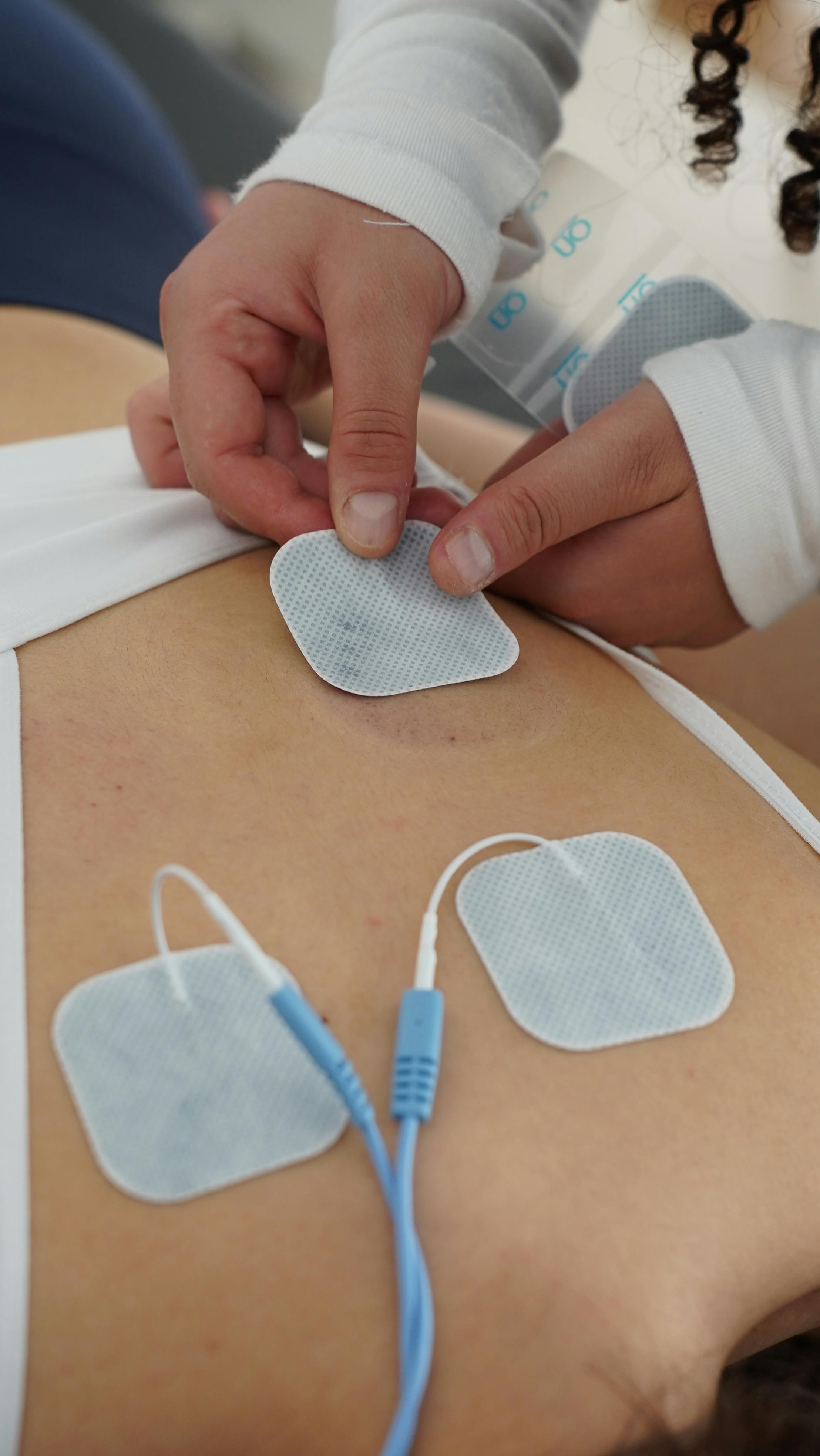
Microcurrent therapy uses extremely small electrical currents — similar to the body’s own natural signals. These currents support tissue repair, reduce inflammation, and improve circulation. Studies suggest microcurrents may speed up wound healing and reduce pain.
👉 Learn more about the science behind microcurrents
👉Get a device that delivers 9V to cellular structures - Hulda Clarke Zapper on Ebay.
📕The Human Body Is An Electrical System
The human body is basically an electrical system because every cell uses tiny electrical signals to communicate, heal, and keep you alive.
Your nerves send electrical messages to move your muscles, your heart beats because of electrical impulses, and even your brain works through electrical activity.
These signals are extremely small — far weaker than anything in a wall socket — but they are powerful enough to control everything your body does.
Electricity helps your cells talk to each other. Each cell has a natural electrical charge across its membrane. This charge controls how nutrients enter the cell and how waste leaves it. When the charge is balanced, cells stay healthy. When it’s disrupted, healing slows down and inflammation increases.
Your heart is one of the best examples of the body’s electrical nature. It beats because a tiny electrical spark travels through the heart muscle, telling it when to contract. Doctors can measure this spark with an ECG.
Your brain also runs on electricity. Every thought, emotion, and movement begins as an electrical signal between neurons. This is why brain scans show electrical waves.
Even healing uses electricity. When you get injured, the damaged area sends out a natural electrical signal that tells the body to start repairing the tissue. Scientists call this the “current of injury.”
So in simple terms:
Your body is an electrical machine made of living cells. These cells use tiny currents to communicate, heal, move, think, and keep you alive. Without electricity, the body wouldn’t function.
1️⃣⚡ Effect of Microcurrents on the Blood and Cellular Structures
So in simple terms: Your body is an electrical machine made of living cells. These cells use tiny currents to communicate, heal, move, think, and keep you alive. Without electricity, the body wouldn’t function.
1️⃣⚡ Effect of Microcurrents on the Blood and Cellular Structures
Microcurrents don’t just help with pain or healing — they also have interesting effects on the blood and the tiny structures inside your cells or building blocks. These currents are extremely gentle, similar to the natural electrical signals your body already uses.
How Microcurrents Affect the Blood
Microcurrents can help improve blood flow by relaxing the tiny muscles around blood vessels. Better circulation means more oxygen and nutrients reach your tissues. Some studies show microcurrents may help reduce blood thickness (viscosity), making it easier for blood to move through small vessels.
Researchers have also found that microcurrents may help reduce inflammation in the blood by influencing how immune cells communicate. This can support healing in people with chronic conditions.
How Microcurrents Affect Cells
Inside your cells, microcurrents can increase ATP, which is the energy your cells use to repair and grow. When ATP goes up, cells work better, heal faster, and respond more efficiently to stress.
Microcurrents may also help balance the electrical charge across cell membranes. This charge is important because it controls how nutrients enter the cell and how waste leaves it. When the charge is balanced, cells stay healthier and function more smoothly.
What Research Shows About Effects of Microcurrents on the Blood
Scientists studying bioelectricity have found that microcurrents can:
Increase ATP production by up to 500% in some lab studies
Improve cellular communication
Support tissue repair
Reduce inflammation markers
Improve circulation and oxygen delivery
This is why microcurrent therapy is becoming more popular in wound care, physical therapy, and even skincare.
📕Medical Devices That Use Microcurrents
Transcutaneous Electrical Nerve Stimulation (TENS)
TENS uses tiny electrical pulses on the skin to reduce pain. It works by interrupting pain signals before they reach the brain. Research shows TENS can help with back pain, arthritis, and nerve pain.
Pacemakers
Pacemakers are small devices implanted in the chest. They send electrical signals to keep the heart beating at a healthy rhythm. Millions of people worldwide rely on pacemakers for normal heart function.
Defibrillators
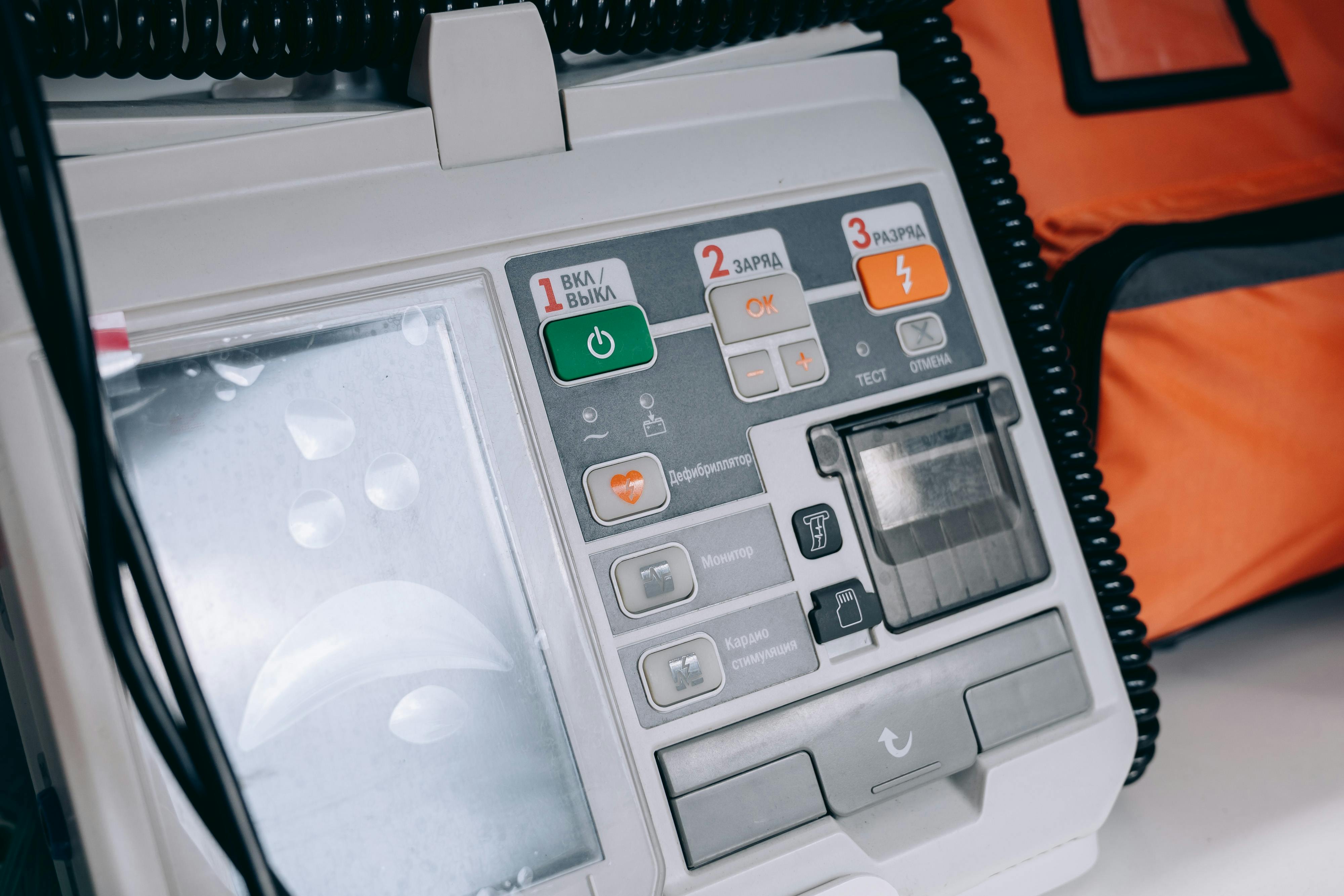
Defibrillators deliver a controlled electrical shock to restart the heart during cardiac arrest. This shock resets the heart’s electrical system. Research shows early defibrillation greatly increases survival rates.
Electrotherapy for Muscles (EMS)
Electrical Muscle Stimulation uses pulses to contract muscles. It helps strengthen weak muscles, improve mobility, and support rehabilitation after injury. Physical therapists use EMS for athletes and patients recovering from surgery.
Deep Brain Stimulation (DBS)
DBS uses tiny electrical signals delivered to specific brain areas. It is used for Parkinson’s disease, tremors, and severe depression. Research shows DBS can dramatically reduce symptoms in neurological disorders.
Electroconvulsive Therapy (ECT)
ECT uses controlled electrical activity to treat severe depression and bipolar disorder. It resets brain chemistry in cases where medication doesn’t work. Modern ECT is safe, highly regulated, and performed under anesthesia.
Galvanic Skin Treatments
Used in skincare, galvanic treatments use low-level electricity to improve product absorption and stimulate circulation. Research shows galvanic currents may support wound healing and skin rejuvenation.
Bioelectric Wound Healing Devices
New medical devices use microcurrents to help chronic wounds heal faster. These currents mimic the body’s natural “injury signals.” Studies show improved healing in diabetic ulcers and slow-healing wounds.
🔬 What Does the Research Say About Microcurrents?
Scientists have discovered that the body uses natural electrical signals for healing. When these signals are disrupted — such as in chronic illness — healing slows down. Microcurrent and electrical therapies help restore these signals, reduce inflammation, and support tissue repair.
Research highlights include:
Microcurrents improve ATP (cell energy) production
Electrical stimulation increases circulation
Bioelectric devices speed up wound healing
DBS reduces neurological symptoms
TENS reduces chronic pain
Electricity is becoming a major tool in modern medicine because it works with the body’s natural systems.
📕Microcurrents in Medical Diagnostic Procedures
Electrocardiograms (ECG/EKG)
An ECG doesn’t treat the body — it reads the electrical activity of the heart. Doctors use it to detect heart rhythm problems, heart attacks, and more. It’s one of the most common electrical tools in medicine.
✅ Conclusion
Electricity and microcurrents are powerful tools in healthcare. From helping the heart beat properly to reducing pain and supporting healing, electrical therapies are safe, effective, and widely used. As research grows, doctors are discovering even more ways electricity can help the body heal naturally.
❓ FAQ About Microcurrents
What are microcurrents? Microcurrents are tiny electrical signals similar to the ones your body already uses for healing.
Is electrical therapy painful? Most electrical therapies use gentle currents that feel like tingling or tapping. They are usually comfortable.
Can electricity heal the body? Electricity supports healing by improving circulation, reducing inflammation, and helping cells communicate.
Is microcurrent therapy safe? Most electrical therapies are safe when used by trained professionals. People with pacemakers should avoid certain treatments.
Do microcurrents replace medical treatment? No. They support healing but do not replace professional medical care.


No comments:
Post a Comment