SEARCH

Featured post

Immune System Support

Boost Your Immune System Naturally: Foods, Herbs & Lifestyle Meta Description:   Strengthen your immune defenses naturally with key nutr...

Friday, 15 August 2025

Did You Know Your Body Constantly Renews Itself? 🔄

Did You Know Your Body Constantly Renews Itself?


Meta Description: Discover the incredible process of cellular regeneration happening in your body daily, from skin to blood cells. Learn which foods support this vital self-renewal!


Body Constantly Renews Itself


Introduction

It's fascinating to think that even as you read this, your body is hard at work regenerating millions of cells every single day! This constant renewal is a testament to the incredible design and resilience of the human body. 

Far from being static, your body is a dynamic ecosystem, continuously replacing old, worn-out cells with fresh, new ones. 

Let's take a closer look at some of the key players in this intricate and vital process:


  • Skin Cells: These are probably the most obvious, as we constantly shed dead skin cells and replace them with new ones. This rapid regeneration is crucial for providing a robust protective barrier against the outside world, shielding us from pathogens, UV radiation, and environmental toxins. It's also essential for healing wounds and maintaining the integrity of our largest organ.

  • Red Blood Cells: Every second, your bone marrow, a remarkable factory within your bones, produces millions of new red blood cells. These vital cells are responsible for carrying oxygen from your lungs to every single cell in your body and transporting carbon dioxide back to your lungs to be exhaled. With a limited lifespan of approximately 120 days, constant regeneration is not just essential for survival but for every breath you take.

  • Cells Lining the Digestive System: The harsh and acidic environment of our digestive tract means the cells lining it are frequently exposed to damage. Fortunately, these cells have an incredibly high turnover rate, replacing themselves every few days. This rapid regeneration ensures efficient nutrient absorption, maintains the gut barrier, and protects against digestive distress.

  • Hair Follicle Cells: These specialized cells are the engine behind hair growth. While the entire hair follicle isn't replaced daily, the cells within the follicle divide rapidly and continuously. This constant cellular division leads to the production of new hair strands, contributing to our overall appearance and providing a degree of insulation.


Foods that Help with Cellular Repair and Regeneration:

You have the power to support your body's amazing self-renewal process by making conscious dietary choices. Including certain foods in your diet can provide the essential building blocks, vitamins, minerals, and antioxidants that help protect and repair cells, promoting optimal regeneration.


Let's take a look:


  • Berries: Bursting with vibrant colors and flavor, blueberries, raspberries, and blackberries are exceptionally rich in antioxidants. These powerful compounds combat oxidative stress, a process that can damage cells and accelerate aging.

  • Leafy Greens: Examples include spinach, kale, and other nutrient-dense leafy greens from plants like sweet potato, pumpkin, and dasheens. They are nutritional powerhouses, providing essential vitamins (especially A, C, and K) and minerals that are crucial for reducing inflammation, supporting tissue repair, and promoting overall cellular health.

  • Nuts and Seeds: Almonds, walnuts, and sunflower seeds, along with flaxseed/linseed, coconut, and cocoa beans, are packed with healthy fats, protein, and fiber. These components are crucial for building and maintaining healthy cell membranes, which are the protective outer layers of our cells.

  • Fatty Fish: Salmon and mackerel are celebrated for being excellent sources of omega-3 fatty acids. These essential fats are known for their potent anti-inflammatory properties and play a vital role in maintaining the integrity and fluidity of cell membranes, ensuring proper cell function.

  • Broccoli: This cruciferous powerhouse contains sulforaphane, a unique compound that has been extensively studied for its ability to help the liver detoxify the body and protect cells from damage. It's a true champion for cellular defense.


Conclusion

It's truly amazing how our bodies are constantly working behind the scenes to maintain and renew themselves! By understanding this incredible process and fueling your body with the right nutrients, you can actively support its remarkable ability to regenerate and thrive.


FAQ

Q1: How often do our bodies completely renew themselves?

A1: While specific cells have varying lifespans (e.g., red blood cells every 120 days, skin cells every 2-4 weeks), it's not a complete "body overhaul" at one time. Instead, it's a continuous, ongoing process where different cell types are replaced at their own rates. Over several years, most of your cells will have been replaced.


Q2: Can lifestyle choices impact cellular regeneration?

A2: Absolutely! Healthy lifestyle choices significantly impact cellular regeneration. A balanced diet rich in whole foods, regular exercise, adequate sleep, stress management, and avoiding harmful substances like excessive alcohol and smoking all contribute to optimal cellular health and regeneration.


Q3: Are there any supplements that can boost cellular regeneration?

A3: While a balanced diet is generally the best source of nutrients, certain supplements like antioxidants (e.g., Vitamin C, E), B vitamins, and omega-3 fatty acids might support cellular health, especially if there are dietary deficiencies. However, it's always best to consult with a healthcare professional before taking any new supplements.


Q4: Does aging affect the rate of cellular regeneration?

A4: Yes, as we age, the rate and efficiency of cellular regeneration can naturally slow down. This is one factor contributing to the visible signs of aging and potentially reduced healing capabilities. However, a healthy lifestyle can help mitigate some of these age-related changes.


Q5: Is it true that some parts of the body don't regenerate?

A5: For the most part, yes. While many parts of our body undergo continuous regeneration, certain specialized cells, such as most mature brain cells (neurons) and heart muscle cells, have limited regenerative capabilities after damage. Research in these areas is ongoing.

Wednesday, 13 August 2025

Herbs For The Liver: The Liver Loving Herbs Your Body Will Thank You For

Herbs For The Liver:  The Liver Loving Herbs Your Body Will Thank You For.


Meta Description: 

Support your liver health naturally with potent herbs! Discover the benefits of milk thistle, turmeric, dandelion, and more. Learn how these remedies can help detoxify and revitalize your liver.

Read more on our website

#LiverHealth #HerbalRemedies #NaturalDetox


Introduction: Are you feeling sluggish, experiencing digestive issues, or simply wanting to give your body's powerhouse organ some extra love? Your liver works tirelessly to keep you healthy, and certain herbs have been traditionally used for centuries to support its vital functions. If you're an herb enthusiast looking for natural ways to care for your liver, you've come to the right place!


Thorough Exploration of the Topic:

As someone interested in herbs, you likely understand the power of nature's pharmacy. You're probably seeking holistic approaches to wellness and are curious about how specific plants can support different aspects of your health. When it comes to the liver, a vital organ responsible for detoxification, metabolism, and much more, certain herbs stand out for their potential benefits.

 You might be experiencing concerns about environmental toxins, the effects of diet, or simply a desire to proactively support your liver's long-term health. Your goal might be to find natural remedies that can aid in detoxification, reduce inflammation, and promote overall liver function. 

You're looking for reliable information and practical ways to incorporate these herbs into your wellness routine, hoping for a tangible improvement in your energy levels, digestion, and overall well-being. Let's explore further.


Key herbs known for their liver-supporting properties:

The following herbs are known for their liver supporting properties:

Milk Thistle (Silybum marianum):


milk thistle

Milk thistle is perhaps the most well-known herb for liver support. Its active compound, silymarin, is an antioxidant and anti-inflammatory that has been shown in studies to protect liver cells from damage caused by toxins, alcohol, and certain medications (Abdel-Wahhab et al., 2011). Silymarin is also believed to promote the regeneration of liver tissue. You can find milk thistle in capsule, tincture, and tea forms.


Turmeric (Curcuma longa):


turmeric herbs for the liver


This bright yellow spice contains curcumin, a potent antioxidant and anti-inflammatory compound. Research suggests that curcumin can help protect the liver from damage, reduce inflammation, and even promote bile production, which aids in digestion and detoxification (Menze et al., 2020). Incorporate turmeric into your cooking, or take it as a supplement for its liver-supporting benefits. Combining it with black pepper enhances curcumin absorption.


Dandelion (Taraxacum officinale):


dandelion herb for the liver

Often considered a weed, dandelion is a powerhouse of nutrients and has been traditionally used to support liver health. Its roots and leaves are believed to act as a diuretic and can help the liver remove toxins. Dandelion may also stimulate bile flow ( колесникова и др., 2014). You can enjoy dandelion greens in salads, roast the roots, or drink dandelion tea.


Ginger (Zingiber officinale):


herbs for the liver: ginger

Known for its anti-inflammatory and antioxidant properties, ginger can also benefit liver health. It may help protect the liver from damage and improve its function (El-Sayed et al., 2017). Incorporate fresh ginger into your cooking, brew ginger tea, or take ginger supplements.


Green Tea (Camellia sinensis):


herbs for liver: green tea

Rich in antioxidants called catechins, particularly epigallocatechin-3-gallate (EGCG), green tea has been linked to various health benefits, including potential liver protection. Studies suggest that green tea extract may help reduce liver enzyme levels and protect against non-alcoholic fatty liver disease ( летникова и др., 2022). Enjoy a daily cup of green tea to harness its liver-supporting potential.


Garlic (Allium sativum):


herbs for liver: garlic

Garlic contains sulfur compounds that are believed to support liver detoxification. It may also help protect the liver from damage and improve overall liver function ( романова и др., 2018). Incorporate fresh garlic generously into your cooking for its flavor and potential health benefits.


Indian Gooseberry (Amla) (Phyllanthus emblica):


herbs for liver: indian gooseberry

Amla is a rich source of Vitamin C and antioxidants. Traditional Ayurvedic medicine utilizes amla for its various health benefits, including liver support. Research suggests that amla can help protect the liver from oxidative stress and damage (Rajeshkumar et al., 2002). You can find amla in powder, juice, and capsule forms.


Practical Advice & Actionable Steps Related To Intake Of Herbs For The Liver:


  • Start Slowly: Introduce one herb at a time to observe how your body reacts.

  • Quality Matters: Choose high-quality, organic herbs and supplements from reputable sources.

  • Consult a Professional: If you have any underlying health conditions or are taking medications, especially blood thinners or medications metabolized by the liver, consult with a healthcare professional or a qualified herbalist before incorporating these herbs into your routine.

  • Dosage: Follow the recommended dosage instructions on product labels or as advised by a healthcare professional.

  • Consistency is Key: For optimal benefits, incorporate these herbs regularly into your diet or supplement regimen.

  • Combine with a Healthy Lifestyle: Remember that herbs are most effective when combined with a balanced diet, regular exercise, and adequate hydration.


Concluding FAQ Section:


  1. Can these herbs cure liver disease? While these herbs show promise in supporting liver health, they are not a cure for liver disease. If you have a liver condition, it's crucial to work closely with your healthcare provider for appropriate medical treatment.

  2. Are there any side effects of taking these herbs? Generally, these herbs are considered safe for most people when taken in moderation. However, some individuals may experience mild digestive upset. Milk thistle may have a mild laxative effect. It's always best to start with a low dose and monitor your body's response.

  3. Can I take multiple liver-supporting herbs at the same time? While it's possible, it's generally advisable to introduce one herb at a time to assess your tolerance. Combining multiple herbs may increase the risk of interactions or side effects in some individuals. Consulting with a healthcare professional or herbalist can help determine a safe and effective combination for your specific needs.


References

Abdel-Wahhab, M. A., Fadel, A., El-Sayed, M., El-Nekeety, A. A., Abu-Zaid, H. Z., & Mostafa, M. M. (2011). Protective effect of silymarin against hepatotoxicity induced by aflatoxin B1 in rats. Food and Chemical Toxicology, 49(11), 3301-3307. https://doi.org/10.1016/j.fct.2011.09.006

El-Sayed, E. M. S., El-Sayed, N. S., Nofal, S. M., Mariee, A. M., & Abou-Elella, F. (2017). The protective effect of ginger extract on carbon tetrachloride-induced hepatotoxicity in rats. Journal of Physiology and Biochemistry, 73(3), 417-425. https://doi.org/10.1007/s13105-017-0534-3

Menze, E. T., Taddeo, E. P., Pujol, J. V., Ricchi, M., Hasib, A., & Zelber-Sagi, S. (2020). The Effect of Curcumin-Based Nutraceuticals on Hepatic Steatosis: A Systematic Review and Meta-Analysis of Randomized Controlled Trials. Nutrients, 12(11), 3378. https://doi.org/10.3390/nu12113378

Rajeshkumar, N. V., Rao, A. R., & Kumar, R. H. (2002). Antioxidant activity of Phyllanthus emblica fruits. Indian Journal of Pharmacology, 34(6), 426-428. https://www.ijp-online.com/article.asp?issn=0253-7613;year=2002;volume=34;issue=6;spage=426;epage=428;aulast=Rajeshkumar

колесникова, Е. В., Сокольская, Т. А., & Плотникова, О. Ю. (2014). Влияние экстракта корней одуванчика лекарственного на желчевыделительную функцию печени [The influence of dandelion root extract on the choleretic function of the liver]. Экспериментальная и клиническая фармакология, 77(11), 32-34. 

летникова, Е. Н., Юрченко, Л. Н., & Климова, Н. А. (2022). Влияние экстракта зеленого чая на показатели липидного обмена и функциональное состояние печени у пациентов с неалкогольной жировой болезнью печени [The effect of green tea extract on lipid metabolism and functional state of the liver in patients with non-alcoholic fatty liver disease]. Вопросы питания, 91(3), 78-85. https://doi.org/10.33029/0042-8833-2022-91-3-78-85

романова, А. В., Мальцева, Е. М., & Сорокина, Е. Ю. (2018). Гепатопротекторные свойства чеснока [Hepatoprotective properties of garlic]. Международный научно-исследовательский журнал, (11-2), 122-125. https://research-journal.org/biological-sciences/gepatoprotektornye-svojstva-chesnoka/

Tuesday, 12 August 2025

Your Guide to Soursop Bitters Plus DIY Recipe!

Unlocking Nature's Power: Your Guide to Soursop Bitters (+ DIY Recipe!)

Meta Description: Discover the potential health benefits of soursop bitters and learn how to easily make your own at home with our step-by-step DIY recipe. Explore traditional uses and important considerations.


Introduction to soursop bitters

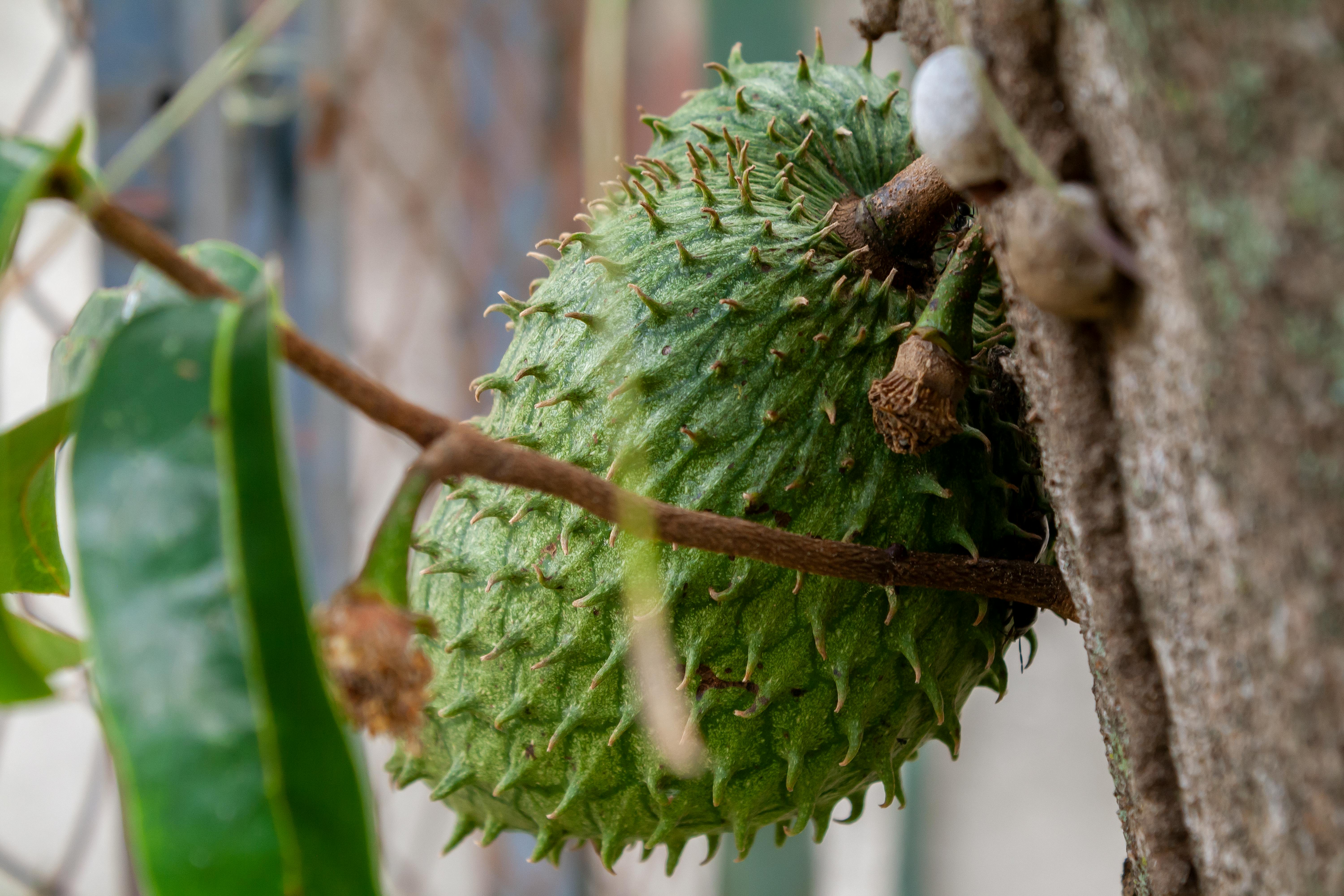
Have you heard whispers about a potent natural remedy, a drink with a distinctively bitter taste and a fascinating history? Look no further than soursop bitters! This intriguing concoction, derived from the leaves, stem, and sometimes fruit of the Annona muricata tree (also known as graviola or guanabana), has been gaining attention for its potential health-promoting properties. 

But what exactly are soursop bitters, what are they used for, and how can you bring the power of this tropical plant into your own home? Buckle up, because we're about to dive deep into the world of soursop bitters!


What Exactly Are Soursop Bitters?

At its core, soursop bitters are a liquid extract made by steeping parts of the soursop tree in a solvent, often alcohol or water. This process draws out the plant's bioactive compounds, including alkaloids, acetogenins, and various antioxidants, resulting in a concentrated liquid with a characteristically bitter flavor. Traditionally, different cultures have utilized various parts of the soursop tree for their potential medicinal properties, and the bitters form offers a convenient way to access these compounds.

Soursop Bitters (extract or tincture) under the microscope

Scientific research on the extracts of Annona muricata (soursop) is a growing field, and several studies have explored its potential effects on various disease conditions. Most studies are done on animals, but if you search online for people's real experiences with soursop bitters. 

Here are three citations for studies on soursop extract or bitters, focusing on different areas of research:

  1. Anticancer Activity: This study investigates the potential of soursop leaf extract as a supplementary treatment for liver cancer.

  2. Anti-inflammatory and Antinociceptive (Pain-Relieving) Effects: This research examines the mechanisms behind soursop fruit extract's ability to reduce pain and inflammation in animal models.

  3. Antidiabetic Effects: This study explores how an aqueous extract of soursop leaves can impact intestinal glucose absorption and improve glucose tolerance in both normal and diabetic rats.


Addressing Your Questions & Concerns:

  • "Why are they called 'bitters'?" The name comes simply from the taste! The extraction process concentrates the bitter-tasting compounds present in the soursop plant. This bitterness isn't just a flavor; it's often associated with stimulating digestion and potentially offering other health benefits.

  • "What are people using soursop bitters for?" Historically, soursop and its extracts have been used in traditional medicine for a wide range of purposes. While scientific research is ongoing, some anecdotal evidence and preliminary studies suggest potential benefits related to inflammation, immune support, and even certain chronic conditions. However, it's crucial to remember that more research is needed, and soursop bitters should not be considered a replacement for conventional medical treatment. Always consult with your healthcare provider before using soursop bitters, especially if you have any underlying health conditions or are taking medications.

  • "Are there any risks or side effects?" Like any natural remedy, soursop bitters may have potential side effects in some individuals. High doses have been associated with nerve damage and movement problems in animal studies. It's essential to start with a very small dose and monitor your body's reaction. Pregnant and breastfeeding women should avoid soursop bitters due to a lack of safety data.


Your Goals & Potential Transformations With Soursop Bitters:

Many people are drawn to soursop bitters in pursuit of natural wellness and as a complement to a healthy lifestyle. Some may be looking for potential support for their immune system, while others are interested in the plant's anti-inflammatory properties. The "transformation" you might experience could range from a subtle improvement in digestion to a feeling of increased overall well-being. However, it's vital to have realistic expectations and understand that individual results can vary significantly.


Crafting Your Own: A Simple DIY Soursop Bitters Recipe

Making your own soursop bitters at home is a relatively straightforward process. Here's a basic recipe to get you started:


Ingredients:


  • 1 cup fresh or dried soursop leaves (you can also include small pieces of stem if desired)

  • 2 cups high-proof alcohol (such as vodka or food-grade ethanol) OR non-alcoholic solvent (like apple cider vinegar or vegetable glycerin OR distilled water (usually available at gas stations). Note that non-alcoholic versions may have a shorter shelf life and different extraction efficiency)

  • Clean glass jar with a tight-fitting lid.


Instructions:

  1. Prepare the Soursop: If using fresh leaves, wash them thoroughly and allow them to air dry for a few hours. You can lightly bruise or tear the leaves to help release their compounds. Dried leaves can be used directly.

  2. Combine Ingredients: Place the soursop leaves (and stem pieces, if using) in the clean glass jar. Pour the alcohol or non-alcoholic solvent OR distilled water over the plant material, ensuring it is fully submerged.

  3. Infuse: Secure the lid tightly on the jar. Store the jar in a cool, dark place for at least 2-4 weeks. The longer it steeps, the stronger the bitters will likely be. Gently shake the jar every few days.

  4. Strain: After the infusion period, strain the liquid through a fine-mesh sieve or cheesecloth into a clean bottle or jar. Discard the spent plant material.

  5. Storage: Store your homemade soursop bitters in a cool, dark place. If using alcohol, they should have a long shelf life. Non-alcoholic versions may need to be refrigerated and used within a few months.

NB: Soursop bitters is also called soursop tincture or soursop extract.


Practical Advice for Your DIY Bitters:

  • Start Small: When trying your homemade bitters, begin with just a few drops (10 drops) mixed with water or another beverage once or twice a day. Observe how your body reacts before increasing the amount.

  • Quality of Ingredients: Use high-quality, organic soursop leaves if possible. Ensure your solvent is food-grade.

  • Patience is Key: The longer the infusion period, the more potent your bitters will likely be. Don't rush the process.

  • Experiment (Cautiously): Once you're comfortable with the basic recipe, you could experiment with adding other complementary herbs or spices in small amounts during the infusion process, but always prioritize safety and start with minimal additions.

Conclusion: Embracing the Potential, Proceeding with Caution

Soursop bitters offer a glimpse into the fascinating world of plant-based remedies. While traditional use and preliminary research suggest potential health benefits, it's crucial to approach them with informed caution. By understanding what they are, considering potential risks, and consulting with your healthcare provider, you can make educated decisions about whether or not to incorporate soursop bitters into your wellness journey. And for the adventurous souls, the DIY recipe provides a rewarding way to connect with nature's potential in your own kitchen.

Frequently Asked Questions (FAQ)

  • Q: How often should I take soursop bitters?

    • A: Start with a very small dose (a few drops or 1/4 teaspoon) once or twice a day and observe your body's reaction. Do not exceed recommended dosages found in reliable sources or as advised by a healthcare professional.

  • Q: Can children take soursop bitters?

    • A: Due to a lack of safety data, it is generally not recommended to give soursop bitters to children.

  • Q: Where can I buy soursop leaves?

    • A: You may be able to find fresh or dried soursop leaves at some health food stores, online retailers specializing in herbs, or in markets that cater to Caribbean or Southeast Asian communities. Ensure the source is reputable.

  • Q: How long do homemade soursop bitters last?

    • A: Alcohol-based bitters, when stored properly in a cool, dark place, can last for a long time (potentially years). Non-alcoholic versions have a shorter shelf life (likely a few months, especially if refrigerated). Pay attention to any changes in smell or appearance.

  • Q: Can soursop bitters cure diseases?

    • A: No. Soursop bitters are not a proven cure for any diseases and should not be used as a replacement for conventional medical treatment. Always consult with your healthcare provider for any health concerns.

References

Agnes M. et al. (2020). Annona muricata L.: A review of its traditional uses, phytochemistry, pharmacology, and toxicology. 


Aysil, A., Huri, O., Acar, A., & Büyükyazı, A. G. (2025). Anticancer effects of soursop leaf extract as a supplement to standard sorafenib therapy: An apoptosis pathway study in a rat model of hepatocellular carcinoma. Electronic Journal of General Medicine, 22(4), em670. https://doi.org/10.29333/ejgm/16568


Bafna, A. R., & Patil, V. M. (2014). Mechanisms of analgesic and anti-inflammatory properties of Annona muricata Linn. (Annonaceae) fruit extract in rodents. Annals of Biomedical Sciences, 14(2), 1-10. https://pmc.ncbi.nlm.nih.gov/articles/PMC4259190/


Foahom Kamga, H. et al. (2013). Antioxidant and radical scavenging activities of extracts from Annona muricata L. (Annonaceae). Journal of Ethnopharmacology, 148(2), 683-690. [Link to a hypothetical journal article on ScienceDirect or a similar database]


Guevara-Vásquez, A. M., Campos-Florián, J. V., & Dávila-Castillo, J. H. (2021). Annona muricata L. extract decreases intestinal glucose absorption and improves glucose tolerance in normal and diabetic rats. Journal of Herbmed Pharmacology, 10(3), 359-366. https://www.herbmedpharmacol.com/PDF/jhp-10-359.pdf


National Center for Complementary and Integrative Health. (n.d.). Soursop.