SEARCH

Featured post

Immune System Support

Boost Your Immune System Naturally: Foods, Herbs & Lifestyle Meta Description:   Strengthen your immune defenses naturally with key nutr...

Friday, 2 May 2025

Body Tapping To Support Lymphatic Drainage

Tap Your Way to Better Flow: Exploring Body Tapping for Lymphatic Health


Meta Description: Discover the gentle technique of body tapping to support lymphatic drainage. Learn what lymph is, why its flow matters, and how simple tapping can help your body's natural cleansing process.


We often hear about the circulatory system, pumping blood throughout our bodies. But there's another crucial system working quietly in the background: the lymphatic system. It's a vital part of your immune system and plays a key role in keeping you healthy. Sometimes, this system can benefit from a little gentle encouragement, and one technique gaining attention is body tapping.

It might sound simple, but applying light, rhythmic tapping to certain areas of your body is thought to help support the movement of lymph fluid. Let's explore what the lymphatic system does, why keeping things flowing is important, and how you can try this gentle technique.


So, What Exactly is Lymph?

Think of lymph as a clear to yellowish fluid that circulates throughout your body. It's made up of water, proteins, fats, waste products, and immune system cells. Lymph collects waste and excess fluid from your tissues and carries it away.


The Lymphatic System: Your Body's Drainage Network

The lymphatic system is a complex network of vessels, tissues, and organs (like lymph nodes, the spleen, and the thymus). Unlike the circulatory system, which has the heart as a pump, the lymphatic system doesn't have its own central pump. Instead, lymph flow relies on muscle contractions, breathing, and external manipulation like massage or movement.

Lymphatic vessels are found throughout your body, running alongside your blood vessels. They collect the lymph fluid and transport it through lymph nodes, which act like filters, trapping waste, bacteria, and viruses. The cleansed lymph is then eventually returned to the bloodstream.


The Flow Direction: A One-Way Street

Lymph flows in a specific direction: towards the heart. It starts in the tiny lymphatic capillaries in your tissues and moves through larger vessels, eventually draining into veins near the neck. Understanding this direction is important when considering techniques to support its movement.


Why Stagnant Lymph Isn't Ideal

When the lymphatic system isn't moving fluid effectively, it can lead to a buildup of lymph in the tissues, a condition called lymphedema (though this is a specific medical condition, even minor sluggishness can be less than optimal). Stagnant lymph can contribute to:

  • Swelling or puffiness

  • A feeling of heaviness in limbs

  • Reduced immune function (as waste and pathogens aren't being cleared efficiently)

  • Slower recovery from exercise or injury

Keeping your lymph flowing smoothly is essential for waste removal, immune defense, and maintaining overall fluid balance in your body.


Tapping for Lymph: The Gentle Rationale

This is where body tapping comes in. The rationale behind using gentle tapping to move lymph is based on the fact that the initial lymphatic vessels are located very superficially, just beneath the skin.


What happens when you tap? 
The light, rhythmic tapping is thought to create a gentle wave-like motion or vibration on the skin's surface. This subtle stimulation can help encourage the tiny lymphatic capillaries to open and take up the surrounding fluid and waste. It can also help stimulate the natural contractions of the lymphatic vessels, which helps propel the lymph forward.


It's about gentle stimulation, not deep pressure. 

Unlike deep tissue massage which targets muscles, tapping for lymph is about influencing the delicate superficial lymphatic network. Too much pressure can actually collapse these vessels.

Where and How to Tap: Locations and Technique

When tapping to support lymph flow, the focus is often on areas where lymph nodes are concentrated and along the pathways where lymph travels towards the neck.


Key Locations:


Neck:
Gently tap along the sides of your neck, just above the collarbones. This is a major drainage area.

Armpits: Tap gently in the armpit area.

Groin: Tap gently in the crease where your leg meets your torso.

Abdomen: Lightly tap your abdomen, following the direction of lymph flow (often upwards towards the chest and sides).

Limbs: You can gently tap along your arms and legs, moving the tapping motion towards the nearest lymph node areas (towards the armpits from the hands, and towards the groin from the feet).


Technique (Using the Flats of Your Fingers):


  1. Use the flats of your fingers: Don't use your fingertips like drumming. Instead, keep your fingers together and relaxed, using the flat surface of your fingertips and the pads of your fingers to make contact with the skin.

  2. Light pressure: This is crucial. The pressure should be very light – just enough to gently move or stretch the skin slightly. Imagine you're tapping on a delicate surface. You should not feel like you are pressing into the muscles underneath.

  3. Rhythmic motion: Maintain a steady, rhythmic tapping. It's not about speed, but consistency.

  4. Direction: When tapping on limbs or the torso, always direct your tapping motion towards the nearest group of lymph nodes (towards the armpits from the arms, towards the groin from the legs, and generally upwards/towards the sides on the torso). On the neck, tap downwards towards the collarbones.

  5. Duration: You can spend a few minutes on each area, or work your way through the key locations for a total of 10-15 minutes. Consistency is more important than long, infrequent sessions.


Putting Body Tapping Into Practice:

You can incorporate this tapping into your routine:

  • In the morning to help get things moving.

  • After sitting or standing for long periods.

  • As part of a self-care or relaxation routine.


Combining for Better Results:

Body tapping is just one tool. For optimal lymphatic health, consider combining it with:


Deep Breathing: Deep diaphragmatic breathing helps pump the lymphatic fluid in the core of your body.


Gentle Exercise:
Movement, especially walking, stretching, and light bouncing, stimulates muscle contractions that move lymph.

Hydration: Staying well-hydrated is essential for healthy lymph fluid.

Dry Brushing: Using a soft brush on dry skin towards the heart can also stimulate lymphatic flow.


Frequently Asked Questions (FAQs)


Is body tapping the same as lymphatic drainage massage?


While both aim to stimulate lymph flow, traditional manual lymphatic drainage (MLD) is a specific, gentle massage technique performed by trained therapists using specific strokes and sequences. Body tapping is a simpler, more general technique that can be done at home to complement other practices.

Can tapping help with lymphedema?


If you have lymphedema, it's crucial to consult with a certified lymphedema therapist. They can teach you proper MLD techniques and determine if tapping is an appropriate addition to your treatment plan. Tapping alone is generally not a substitute for professional lymphedema management.


How often should I do body tapping?


You can do it daily or several times a week. Even a few minutes can be beneficial.


Does it matter how hard I tap?


Yes, pressure is important. Use light pressure, just enough to gently move the skin. Hard tapping is not recommended and could potentially be counterproductive.


Can I use a massage gun for this?


Some sources suggest using percussion tools on their lowest setting, but fingertip tapping is generally considered a gentler and safer approach for stimulating the superficial lymphatic vessels, especially for beginners. If using a tool, extreme caution and the lowest intensity are necessary.


Are there any risks or side effects?


When done gently with light pressure, body tapping is generally considered safe. Avoid tapping on areas with active infections, open wounds, blood clots, or if you have certain medical conditions (always consult your doctor if you have health concerns).


Conclusion: A Simple Step for Lymphatic Support

Supporting your lymphatic system doesn't have to be complicated. Gentle body tapping, when done correctly and consistently, can be a simple and accessible way to encourage healthy lymph flow.

By understanding what lymph is and how it moves, you can use this technique to potentially help your body's natural detoxification and immune processes. As always, listen to your body and consult with a healthcare professional if you have any underlying health conditions or concerns.

Friday, 7 February 2025

☘ Aloe Vera: Benefits, Nutrients And Research 🌱

Aloe Vera: Benefits, Nutritional Composition & Research Backing Over 100 Nutrients

Meta Description:

Discover the incredible benefits of Aloe Vera! Learn about its appearance, traditional uses, and how this plant contains over 100 nutritional components backed by research.


Introduction to the amazing Aloe Vera plant

Aloe Vera has long been known for its healing properties, but did you know it’s also packed with over 100 nutritional components? In this article, we’ll explore the incredible versatility of Aloe Vera—from its soothing skin benefits to its amazing nutritional profile supported by science. Are you ready to dive into why this “miracle plant” is a must-have in your wellness routine? Let’s go!

Aloe Vera is often called the “plant of immortality” for a reason—its long history of use as a natural remedy spans centuries. Beyond soothing sunburns and skin irritations, Aloe Vera has much more to offer, especially when it comes to its rich nutritional profile.

Research has uncovered that Aloe Vera contains over 100 nutritional components, making it a powerhouse of vitamins, minerals, and bioactive compounds. In this blog post, we’ll explore Aloe Vera’s definition, appearance, traditional uses, and delve into the fascinating science behind its nutritional composition.


What is Aloe Vera? Understanding the Definition and Origins

Aloe Vera (Aloe barbadensis miller) is a succulent plant species that has been used for thousands of years, dating back to ancient Egypt. Often referred to as the "wonder plant," Aloe Vera grows in arid climates and has fleshy, thick leaves that store water.

Appearance

Aloe Vera plants feature thick, fleshy, green or greyish-green leaves that can grow up to 30 inches long. These leaves contain a gel-like substance, which is typically the part used for medicinal and cosmetic purposes. The gel is transparent and has a slightly slimy texture, making it ideal for topical applications.


Traditional Uses of Aloe Vera: From Skin Care to Digestive Health

Aloe Vera has been revered for its healing properties for centuries. It’s not only known for its topical benefits but has also been used internally in various cultures.

Skin Care: Aloe Vera gel is famous for its ability to soothe burns, cuts, and skin irritation. It has cooling properties that make it effective for treating sunburns, bug bites, and even acne.

Digestive Health: Aloe Vera has been used in traditional medicine to promote digestive health. Aloe Vera juice is said to help alleviate constipation, promote gut health, and support regularity.

Anti-Inflammatory: Aloe Vera’s anti-inflammatory properties make it an effective remedy for reducing irritation or inflammation, both internally and externally.


Aloe Vera’s Nutritional Composition: A Powerhouse of Nutrients

What makes Aloe Vera so special is its incredible range of nutrients. Aloe Vera contains more than 100 nutritional components, including essential vitamins, minerals, enzymes, and amino acids. Let’s break down these key nutrients:

Vitamins and Minerals

Aloe Vera is packed with several essential vitamins and minerals that support overall health:

Vitamins: Aloe Vera contains vitamins A, C, E, B1, B2, B3, B6, B9, and B12. These vitamins are essential for immune function, skin health, and energy production.

Minerals: Aloe Vera is rich in calcium, magnesium, zinc, potassium, and iron—all of which play vital roles in bone health, nerve function, and red blood cell production.

Amino Acids: Aloe Vera contains 20 of the 22 amino acids that the body needs to build proteins, making it a great source of essential amino acids. It also contains fatty acids and polysaccharides that support cell regeneration.


Aloe Vera Enzymes and Bioactive Compounds

Aloe Vera’s gel is rich in enzymes like amylaselipase, and cellulase that help in digestion. It also contains polysaccharides such as acetylated mannans, which have anti-inflammatory and immune-boosting properties.


Aloe Vera’s Anti-Inflammatory Components

Aloe Vera has been widely recognized for its anti-inflammatory effects, making it beneficial for treating conditions like skin irritation, burns, digestive inflammation, and more. The anti-inflammatory activity of Aloe Vera can be attributed to several components found in its gel, including polysaccharides (like acetylated mannans), fatty acids, enzymes, and minerals such as zinc and selenium.


Zinc: A Key Anti-Inflammatory Mineral in Aloe Vera

Zinc is one of the most abundant trace minerals in the human body and is an essential nutrient involved in hundreds of enzymatic reactions. It plays a pivotal role in immune function and inflammation regulation.

How Zinc Works as an Anti-Inflammatory

Zinc is essential for maintaining the integrity of cell membranes and regulating the immune response. It has been shown to help reduce the production of pro-inflammatory cytokines (signaling molecules involved in inflammation), which can help manage chronic inflammation. Zinc's ability to modulate immune cell function and its antioxidant properties make it an effective nutrient for fighting inflammation and promoting healing.

Sources of Zinc in Aloe Vera

Aloe Vera is a natural source of zinc. Though it's not as concentrated as some other sources like shellfish, meat, or legumes, it still provides an easily absorbable form of the mineral. The anti-inflammatory properties of Aloe Vera are often attributed to its zinc content, as it helps to reduce swelling, redness, and irritation—especially in cases of skin burns, cuts, and rashes.


Research on Zinc’s Role in Inflammation

A study published in the Journal of Nutrition concluded that zinc deficiency is often linked to increased inflammation, and adequate levels of zinc are necessary to control oxidative stress and inflammation in the body.


Zinc also plays a role in wound healing, which is a key reason why Aloe Vera gel is so effective in treating burns and cuts. When applied to the skin, the zinc in Aloe Vera aids in accelerating tissue repair and soothing inflammation.


Selenium: A Powerful Antioxidant and Anti-Inflammatory Agent

Selenium is another vital mineral found in Aloe Vera that plays a crucial role in protecting cells from oxidative damage and supporting immune function. It has potent antioxidant and anti-inflammatory properties, making it valuable for maintaining overall health and reducing chronic inflammation.

How Selenium Works as an Anti-Inflammatory

Selenium helps protect the body’s cells from damage caused by free radicals (molecules that can cause oxidative stress and contribute to inflammation). It is a key component of several antioxidant enzymes like glutathione peroxidase, which help neutralize free radicals in the body. By reducing oxidative stress, selenium helps to mitigate inflammation and protect tissues from chronic inflammatory conditions.

Additionally, selenium helps regulate immune responses, potentially decreasing the overactive inflammatory responses that can occur in conditions such as rheumatoid arthritis and inflammatory bowel diseases.

Sources of Selenium in Aloe Vera

Like zinc, selenium is found in Aloe Vera, though it is present in smaller amounts compared to other dietary sources. Despite this, the presence of selenium in Aloe Vera adds to its anti-inflammatory effects. Aloe Vera’s combination of selenium and zinc enhances its ability to soothe irritated skin, heal wounds, and promote healthy immune function.

Research on Selenium’s Anti-Inflammatory Effects

A study published in Frontiers in Immunology explored how selenium influences inflammation and immunity. The research highlighted that selenium supplementation significantly reduced markers of inflammation, including C-reactive protein (CRP), which is often elevated in inflammatory conditions. Selenium’s role in reducing oxidative stress and inflammation is why it is included in many formulations aimed at treating inflammatory skin conditions, arthritis, and other inflammatory diseases.


Why Zinc and Selenium are Useful for Reducing Inflammation in Aloe Vera


Anti-inflammatory synergy: Zinc and selenium work synergistically to help the body manage and regulate inflammation. Zinc supports immune function and skin health, while selenium provides antioxidant protection, reducing the likelihood of chronic inflammation.

Skin healing: Aloe Vera, rich in zinc and selenium, can accelerate the healing of inflammatory skin conditions like acne, eczema, and psoriasis. The minerals help reduce inflammation, promote collagen formation, and protect the skin from oxidative damage.

Digestive support: Aloe Vera’s anti-inflammatory effects extend to the digestive system as well. Zinc and selenium, combined with Aloe Vera’s polysaccharides, help soothe inflamed tissues in the gut, easing conditions like irritable bowel syndrome (IBS) and ulcerative colitis.

Both zinc and selenium play crucial roles in reducing inflammation and supporting the body’s healing processes, and their presence in Aloe Vera is one of the reasons why this plant has earned its reputation as a “miracle herb.” Aloe Vera's anti-inflammatory properties, supported by these minerals, make it an excellent choice for promoting skin health, improving digestion, and managing chronic inflammation.


Aloe Vera’s Health Benefits Backed by Science

Now that we know what’s in Aloe Vera, let’s take a look at some fascinating research supporting its health benefits. Aloe Vera’s nutritional content isn’t just theoretical; it’s backed by studies that highlight its effectiveness in various areas of health.

Research Study #1: Aloe Vera and Skin Healing

One study published in the Journal of Ethnopharmacology found that Aloe Vera gel significantly accelerated the healing of wounds and burns. Researchers found that Aloe Vera not only sped up the healing process but also reduced inflammation and pain associated with burns.

Conclusion: Aloe Vera can be a natural alternative to over-the-counter creams and ointments for treating burns and cuts.


Research Study #2: Aloe Vera for Digestive Health

A 2018 study in Phytomedicine examined the effect of Aloe Vera on digestive disorders and found that Aloe Vera juice helped reduce symptoms of irritable bowel syndrome (IBS), such as abdominal pain and bloating. The research pointed to Aloe Vera’s ability to soothe the digestive tract and promote a healthy gut environment due to its polysaccharide content.

Conclusion: Aloe Vera can play a supportive role in digestive health, improving gut function and alleviating discomfort from conditions like IBS.

Research Study #3: Aloe Vera and Blood Sugar Regulation

A study in Diabetes Care explored the effects of Aloe Vera supplementation on blood sugar levels in individuals with type 2 diabetes. The study showed that Aloe Vera helped lower fasting blood glucose levels and improved insulin sensitivity.

Conclusion: Aloe Vera may have potential as a natural supplement to help manage blood sugar levels in people with type 2 diabetes.


How to Use Aloe Vera for Maximum Benefits

There are several ways you can incorporate Aloe Vera into your daily routine:

  • Topical Application: Apply Aloe Vera gel directly to your skin to soothe sunburns, acne, or minor cuts.
  • Aloe Vera Juice: Drink Aloe Vera juice to support digestion and promote gut health. Always choose organic, unflavored Aloe Vera juice without added sugars.
  • Aloe Vera Supplements: Aloe Vera capsules or powders can be taken as a supplement to support general health.


Conclusion: The Versatile, Nutrient-Packed Wonder Plant

Aloe Vera is more than just a skin care remedy—this incredible plant contains over 100 nutritional components that benefit both your skin and internal health. From vitamins and minerals to amino acids and enzymes, Aloe Vera is a powerhouse of nutrients that support everything from skin healing to digestive health and blood sugar regulation.

As research continues to uncover even more benefits of Aloe Vera, it’s clear that this plant is truly a "miracle" for your health. So, whether you’re looking to soothe a burn, support your digestive system, or just boost your overall wellness, Aloe Vera is definitely a plant you’ll want to keep in your wellness toolkit.


Additional Resources & Studies

"Zinc and Inflammation: A Review of Its Role in Health and Disease" published in The Journal of Nutrition highlights the anti-inflammatory benefits of zinc in the body.


"Selenium and Inflammation: From Biology to Disease" published in Frontiers in Immunology reviews the impact of selenium on inflammatory responses and its potential in treating inflammatory diseases.


Sunday, 19 January 2025

Foods That Excrete Metals & Toxins From The Body

Title Tag: Natural Detox: Foods That Remove Heavy Metals From Your Body


Meta Description: 


Discover powerful foods that naturally help detoxify your body from heavy metals. Learn about chelating foods rich in fiber, antioxidants, and other nutrients that support detoxification pathways... Cleanse your body naturally!

Introduction: Foods That Excrete Metals & Toxins From The Body

In today's world, we're exposed to a variety of environmental toxins, including heavy metals like mercury, lead, arsenic, and cadmium. These metals can accumulate in our bodies over time, potentially leading to various health issues. 

While our bodies have natural detoxification pathways, certain foods can support these processes and aid in the removal of these harmful substances. This article explores the powerful foods that can help you gently and naturally detoxify from heavy metals, promoting overall health and well-being.


Specific food examples that detoxify the body

Foods that remove metals from the body include:


Leafy green veggies


Greens are some of the most powerful heavy metal detox foods. Try to have some type of bitter greens each day, such as kale, swiss chard, dandelion greens, mustard greens, arugula, spinach or beet greens. 

Broccoli sprouts are another great food for providing antioxidants and reducing inflammation.


Herbs and spices


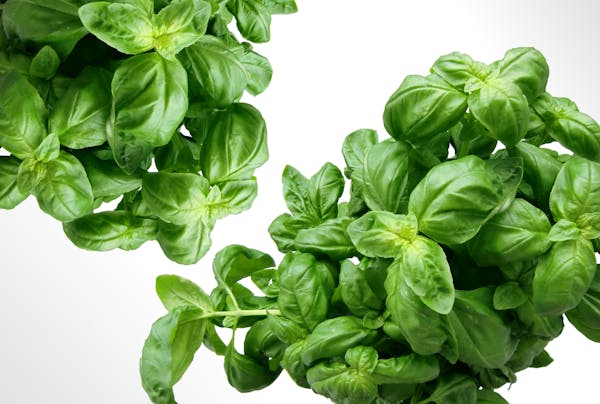
Anti-inflammatory, antioxidant herbs and spices like basil, parsley, oregano, rosemary, thyme, ginger, turmeric, cinnamon and cilantro can help remove heavy metals. 

Cilantro is one of the best herbs for detoxifying and can help reduce the buildup of heavy metals like mercury and lead in the body. Try adding herbs like cilantro and parsley to fresh-squeezed green juices.

Include shaddom bene in this list.

Fruits and vegetables rich in vitamin C can reduce the damage caused by heavy metal toxicity by acting as an antioxidant.

High-vitamin C foods include citrus fruits like oranges or grapefruit, leafy greens like spinach and kale; all types of berries, broccoli and cruciferous veggies, kiwi, papaya, guava and bell pepper.


Garlic and onions


These vegetables contain sulfur which helps your liver detoxify itself of heavy metals like lead and arsenic.


Water


Drink 8 ounces of water or vegetable juice every two hours to stay hydrated and help flush out toxins.


Flax and chia seeds


These provide omega-3 fats and fiber that can help with detoxification of the colon and reduce inflammation.

Bone broth


Bone broth helps to keep you hydrated, provides important mineral, and supports liver health by providing glutathione. It also provides amino acids that help strengthen the organs.

Consume bone broth by either making your own and sipping on several cups daily, or by using protein powder made from bone broth (Dr. Axe,2018).


Additional Information

Terms Emphasizing Binding and Removal:

  • Chelating agents: This is the most accurate scientific term, referring to substances that bind to metals and facilitate their removal.
  • Detoxifying agents/foods: This is a broader term encompassing substances that support the body's overall detoxification processes, including metal removal.
  • Cleansing foods: Similar to detoxifying, this term emphasizes the removal of impurities and toxins.
  • Metal-binding foods: This directly describes the action of binding to metals.
  • Sequestrants: This term refers to substances that isolate and bind to metal ions, preventing them from reacting with other substances.
  • Absorbents: While not strictly synonymous with chelators, some foods contain fibers or other compounds that can absorb toxins and metals in the digestive tract, aiding in their elimination.

Terms Emphasizing Supporting Detoxification Pathways:

  • Liver-supporting foods: The liver is the primary organ responsible for detoxification, so foods that support liver function indirectly aid in metal removal.
  • Kidney-supporting foods: The kidneys are also involved in eliminating toxins, so foods that support kidney function can contribute to detoxification.
  • Lymphatic-supporting foods: The lymphatic system plays a role in removing toxins from tissues, so foods that support lymphatic drainage can also be beneficial.

Terms Emphasizing the Result or Benefit:

  • Blood purifiers: This term suggests that these foods help cleanse the blood of toxins, including metals.
  • Body cleansers: A general term for foods that promote overall detoxification and removal of impurities.
  • Depuratives: This is a more formal term for substances that purify the blood.

Here are some examples of how you might use these terms in a sentence:

  • "Certain foods, such as cilantro and chlorella, act as natural chelating agents, binding to heavy metals and facilitating their excretion."
  • "Cruciferous vegetables like broccoli and cauliflower are powerful detoxifying foods that support liver function and aid in the removal of toxins."
  • "Fiber-rich foods can act as absorbents, trapping toxins and metals in the digestive tract and preventing their absorption."
  • "These liver-supporting foods can enhance the body's natural detoxification pathways and help eliminate heavy metals."


Parafungal

Title Tag: ParaFungal: Natural Support for Parasite, Fungus & Candida Balance


Meta Description: 


ParaFungal is a powerful herbal blend that supports the elimination of parasites, fungus, and Candida. It helps to promote a healthy gut, strong immunity, and overall well-being. Discover the benefits!


Parafungal Overview

ParaFungal is a unique herbal blend formulated to support your body's natural defenses against parasites, fungus, and Candida overgrowth. 

This proprietary formula combines powerful Rainforest herbs known for their traditional uses in promoting a healthy internal environment. By supporting the elimination of these unwanted organisms, 

ParaFungal also helps maintain a balanced gut microbiome, healthy digestion, and a robust immune system. The carefully selected ingredients work synergistically to provide comprehensive support for your overall well-being.

Key Benefits Highlighted:

  • Supports the elimination of parasites, fungus, and Candida.
  • Helps maintain a healthy gut microbiome and digestive function.
  • Supports a strong and balanced immune system.
  • Formulated with traditional Rainforest herbs.
  • Comprehensive support for overall well-being.

Ingredients:

ParaFungal is a vegetarian capsule that contains a proprietary blend of: 

  • Jatoba, 
  • Pau d’ Arco, 
  • Picao Preto, 
  • Brazilian Peppertree, 
  • Anamu, 
  • Quassia Amara, 
  • Sarsaparilla, 
  • Epazote, 
  • Graviola, 
  • and Nigella Sativa.


I and others have successfully used Parafungal  to support immunity especially for problems like colds, and gastrointestinal upset.