SEARCH

Featured post

Immune System Support

Boost Your Immune System Naturally: Foods, Herbs & Lifestyle Meta Description:   Strengthen your immune defenses naturally with key nutr...

Showing posts sorted by date for query liver. Sort by relevance Show all posts

Thursday, 2 July 2026

Immune System Support Protocol for People Living With HIV

Immune System Support Protocol for People Living With HIV


Meta Description

A simple, research-informed immune support protocol for people living with HIV, including anti-inflammatory herbs, diet, detox support, sunlight, near-infrared therapy, lymph movement, electrical stimulation, and plant-based supplements shown to support immune function.


outdoors


What Is HIV?


HIV (Human Immunodeficiency Virus) is a virus that attacks the immune system — specifically CD4 T‑cells — weakening the body’s ability to fight infections. Without treatment, HIV can progress to AIDS, but with modern antiretroviral therapy, people can live long, healthy lives.


HIV Modes of Transmission


  • Unprotected sexual contact

  • Sharing needles or injection equipment

  • Mother-to-child transmission (pregnancy, birth, breastfeeding)

  • Blood transfusion (rare today due to screening)


Here are the common symptoms of HIV

If you or anyone you know is experiencing these symptoms, it’s important to speak with a qualified healthcare professional for proper testing and guidance.


HIV Symptoms


HIV symptoms can vary depending on the stage of infection. Some people have strong symptoms early on, while others may have very mild or none at all.


1️⃣ Acute HIV Infection (2–6 weeks after exposure)


This is the first stage, when the virus multiplies rapidly. Symptoms often resemble the flu. These symptoms usually last a few days to a few weeks.


  • Fever — one of the most common early signs

  • Fatigue — feeling unusually tired

  • Sore throat

  • Swollen lymph nodes — neck, armpits, groin

  • Skin rash — often on the trunk

  • Headache

  • Muscle and joint pain

  • Night sweats

  • Mouth ulcers


2️⃣ Chronic HIV Infection (Clinical Latency Stage)


After the acute phase, HIV becomes less symptomatic, but the virus continues to weaken the immune system. Some people may have no symptoms for years, which is why testing is essential.

Common symptoms during this stage include:


  • Persistent swollen lymph nodes

  • Frequent infections — colds, flu, fungal infections

  • Weight loss

  • Low energy

  • Skin problems — rashes, dermatitis

  • Diarrhea that lasts more than a week


 3️⃣Advanced HIV (AIDS)

This stage occurs when the immune system is severely damaged. At this stage, medical care is urgent.

Symptoms may include:


  • Rapid weight loss

  • Recurring fever

  • Extreme fatigue

  • Opportunistic infections — pneumonia, TB, fungal infections

  • Chronic diarrhea

  • Memory loss or neurological issues

  • Skin blotches — purple, brown, or red spots

  • Persistent cough

  • Night sweats


Standard Medical Treatments for HIV


  • Antiretroviral Therapy (ART) — the global standard; suppresses viral load and protects the immune system.

  • Preventive care —  regular checkups, and infection screening.

  • Lifestyle support — nutrition, exercise, stress reduction.


HIV Immune Support Protocol - (get more details here)


1. Anti-Inflammatory Diet (Highly Recommended)


Chronic inflammation weakens immunity. A plant‑forward diet reduces inflammatory load and supports gut health.


Key foods:


  • Leafy greens, berries, cruciferous vegetables

  • Ginger, turmeric, garlic

  • Sea moss, aloe vera, moringa

  • Flaxseed (omega‑3 source)

  • Papaya & pineapple (digestive enzymes)

  • Aloe vera - over 100 components to support wellness.

  • Leaf of Life - powerful antiinflammatory plant.


Why the antiinflammatory diet helps support immunity in HIV

Plant foods contain antioxidants that reduce oxidative stress — a major issue in HIV progression.


2. Research-Supported Herbs for HIV Immune Support

  • Coconut (Coconut Oil & Monolaurin) Research shows monolaurin (from coconut) has antiviral activity and may reduce viral load in some contexts.

  • Moringa Rich in vitamins A, C, and minerals; studies show immune‑boosting and anti-inflammatory effects.

  • Aloe Vera Contains acemannan, studied for immune modulation and gut support.

  • Papaya Leaf Traditionally used for immune support; contains antioxidants and enzymes.

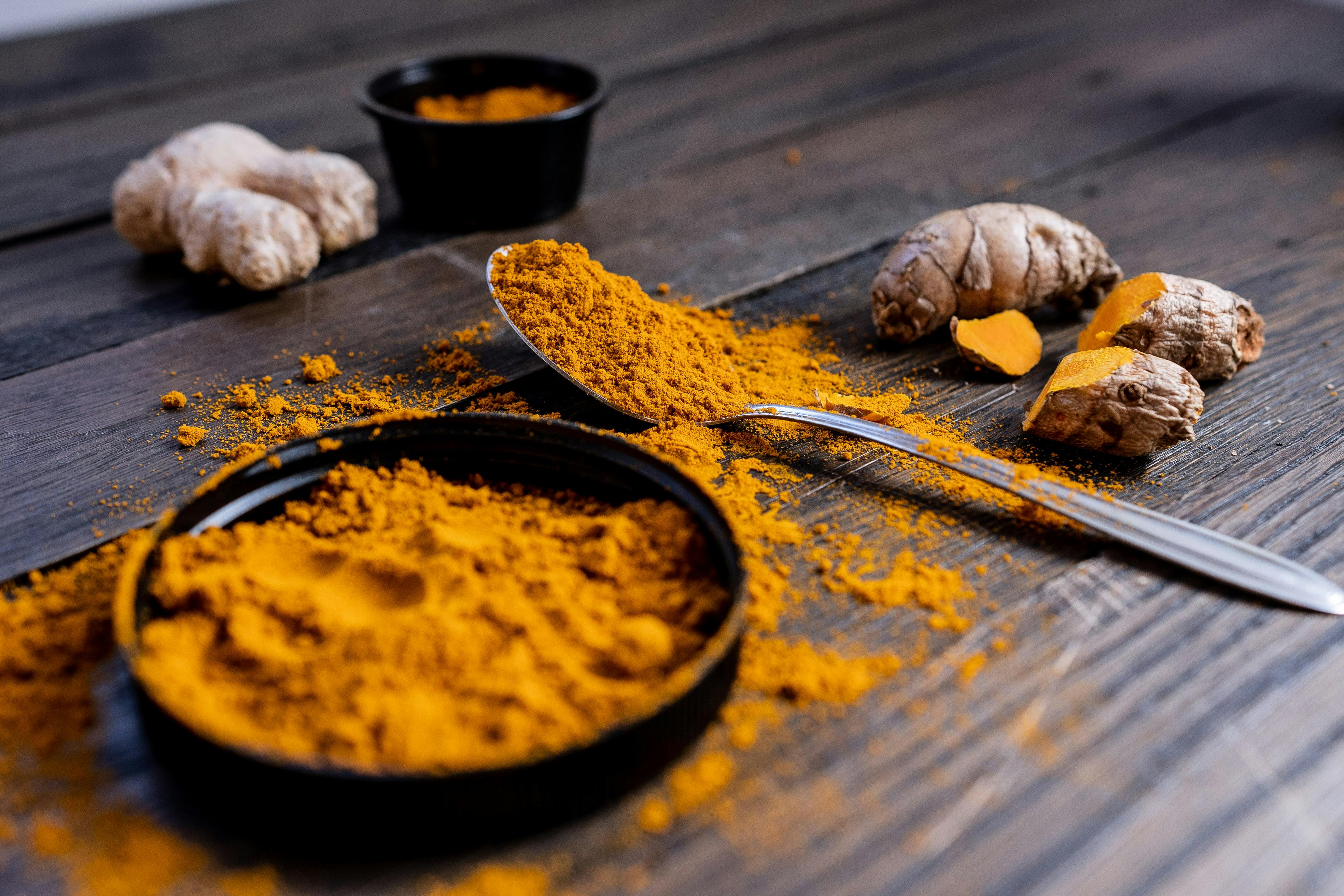
  • Turmeric (Curcumin) Strong anti-inflammatory and antioxidant; studied for immune modulation.

  • Ginger Supports circulation, digestion, and inflammation reduction.

  • Sea Moss (Irish Moss) Provides iodine, minerals, and mucilage that support gut and immune health.


3. Detoxification Support

Reducing toxic load helps the immune system function more efficiently.


Options:

  • Activated charcoal (binds toxins)

  • Sea moss, kelp (mineral-rich detox support)

  • Shadom bene / culantro (traditional detox herb)

  • Plant-based diet (naturally detoxifying)


4. Supplementation (Highly Recommended)

These nutrients are commonly low in people with chronic immune activation.


  • Vitamin D3 — essential for immune regulation

  • Calcium, Magnesium, Zinc — support immunity and stress response

  • Omega‑3 fatty acids — anti-inflammatory

  • Digestive enzymes — papaya & pineapple improve nutrient absorption

  • Multi-mineral/multi-vitamin — fills nutritional gaps

  • TMG (Trimethylglycine) — supports liver detox pathways


5. Near-Infrared (NIR) Light Therapy

NIR light supports mitochondrial energy production.


Benefits:


  • Reduces inflammation

  • Supports cellular repair

  • May improve lymph flow and circulation


Options include:


6. Sunlight Therapy


Sunlight energizes immune cells and boosts vitamin D.


Guidelines:

  • 10–20 minutes daily in warm seasons

  • Up to 1–2 hours in winter (depending on climate)


7. Move Lymph & Improve Circulation


Lymph movement is essential for immune function. These help remove cellular waste and support detoxification.


Simple methods:


  • Trampoline or heel bouncing

  • Body/skin brushing

  • Body tapping

  • Walking or gentle exercise


8. Electrical Stimulation Therapy (microcurrent therapy)


The page mentions Hulda Clarke–style zappers and other devices.


Important note: Evidence is limited, and this should never replace medical care. However, some people use microcurrent devices for:


  • Improved circulation

  • Reduced inflammation

  • General wellness

Avoid if pregnant or using a pacemaker. 


Learn more about electrical stimulation therapy/microcurrent theraoy


9. Grounding & Light-Based Tools - These are optional supportive practices.


Putting It All Together: Simple Daily Protocol To Support Immunity In HIV/AIDS

01

Begin with an anti-inflammatory diet

Focus on plant-based meals rich in antioxidants to reduce inflammation and support immune balance.


02

Add immune-supportive herbs

Use herbs like moringa, aloe, ginger, turmeric, and coconut-derived monolaurin to strengthen immune resilience.

03


Include essential supplements

Support nutrient levels with vitamin D3, omega-3s, minerals, and digestive enzymes for better absorption.

04

Use light-based therapies

Apply near-infrared or sunlight exposure to energize immune cells and reduce inflammation.

05

Move lymph daily

Practice heel bouncing, skin brushing, or gentle exercise to help detoxification and immune circulation.

06

Optional electrical stimulation

Microcurrent devices may support wellness but should never replace medical HIV treatment.


Tuesday, 19 May 2026

Herbs for Cysts: Natural Remedies Backed by Tradition and Emerging Science

🌿 Herbs for Cysts: Natural Remedies Backed by Tradition and Emerging Science


Meta description: 

Discover the best herbs for cysts, how they work, what research says, and how to use them safely. A friendly, science-informed guide for everyday readers.


Herbs for Cysts: - chasteberry


🌱 Introduction: When a Cyst Interrupts Your Peace


A cyst can feel like a tiny problem with a big impact. Whether it’s a sebaceous cyst, ovarian cyst, or a breast cyst, the discomfort, worry, and frustration can be real. Many people wonder:


  • “Are there natural remedies that actually help?”
  • “Can herbs shrink cysts?”
  • “What does science say?”


If you’ve asked any of these questions, you’re in the right place. This guide blends traditional herbal wisdom, modern research, and practical, everyday advice—all in warm, simple language.


Before we dive in, remember:

Persistent, painful, or rapidly growing cysts should always be evaluated by a qualified healthcare professional. Herbs can support wellness, but they don’t replace medical care.


🌿 Understanding Cysts in Simple Terms


A cyst is a small sac filled with fluid, air, or semi-solid material. Most cysts are benign, but they can become uncomfortable or cosmetically bothersome.


Common types of cysts include:


  • Sebaceous (epidermoid) cysts – often on the scalp, face, or back
  • Ovarian cysts – fluid-filled sacs on the ovaries
  • Breast cysts – common in women with fibrocystic breast changes
  • Ganglion cysts – near joints or tendons


Why Herbs Are Considered For Treating Cysts


Herbs may help by supporting:


  • Hormonal balance
  • Inflammation reduction
  • Lymphatic drainage
  • Skin healing
  • Fluid regulation


Let’s explore the most respected herbs for cyst support.


🌼 Top Herbs for Cysts (Science‑Informed + Traditionally Trusted)


1. Chasteberry (Vitex agnus‑castus)


Best for: Ovarian cysts, hormonal imbalance

Why it helps:

Chasteberry is widely used for menstrual irregularities and PMS. Research suggests it influences the pituitary gland, which helps regulate hormones involved in cyst formation.


What studies show:

Some clinical studies indicate that Vitex may support progesterone balance, which can help reduce functional ovarian cysts.


Layperson takeaway:

If your cysts tend to flare with your cycle, Vitex is often the herb people explore.


2. Turmeric (Curcuma longa)


Best for: Inflammatory cysts, skin cysts

Why it helps:

Turmeric contains curcumin, a powerful anti-inflammatory compound.


Research highlights:

Studies show curcumin may reduce inflammatory markers and support wound healing—useful for cysts that are irritated or swollen.


Layperson takeaway:

Turmeric is like nature’s soothing balm for inflammation.


3. Burdock Root (Arctium lappa)


Best for: Skin cysts, detox support

Why it helps:

Traditionally used as a blood purifier, burdock supports the liver and lymphatic system—two systems involved in clearing waste and reducing skin congestion.


Research notes:

Some studies show burdock has antioxidant and anti-inflammatory effects.


Layperson takeaway:

If your cysts are skin-related, burdock is a classic herbal ally.


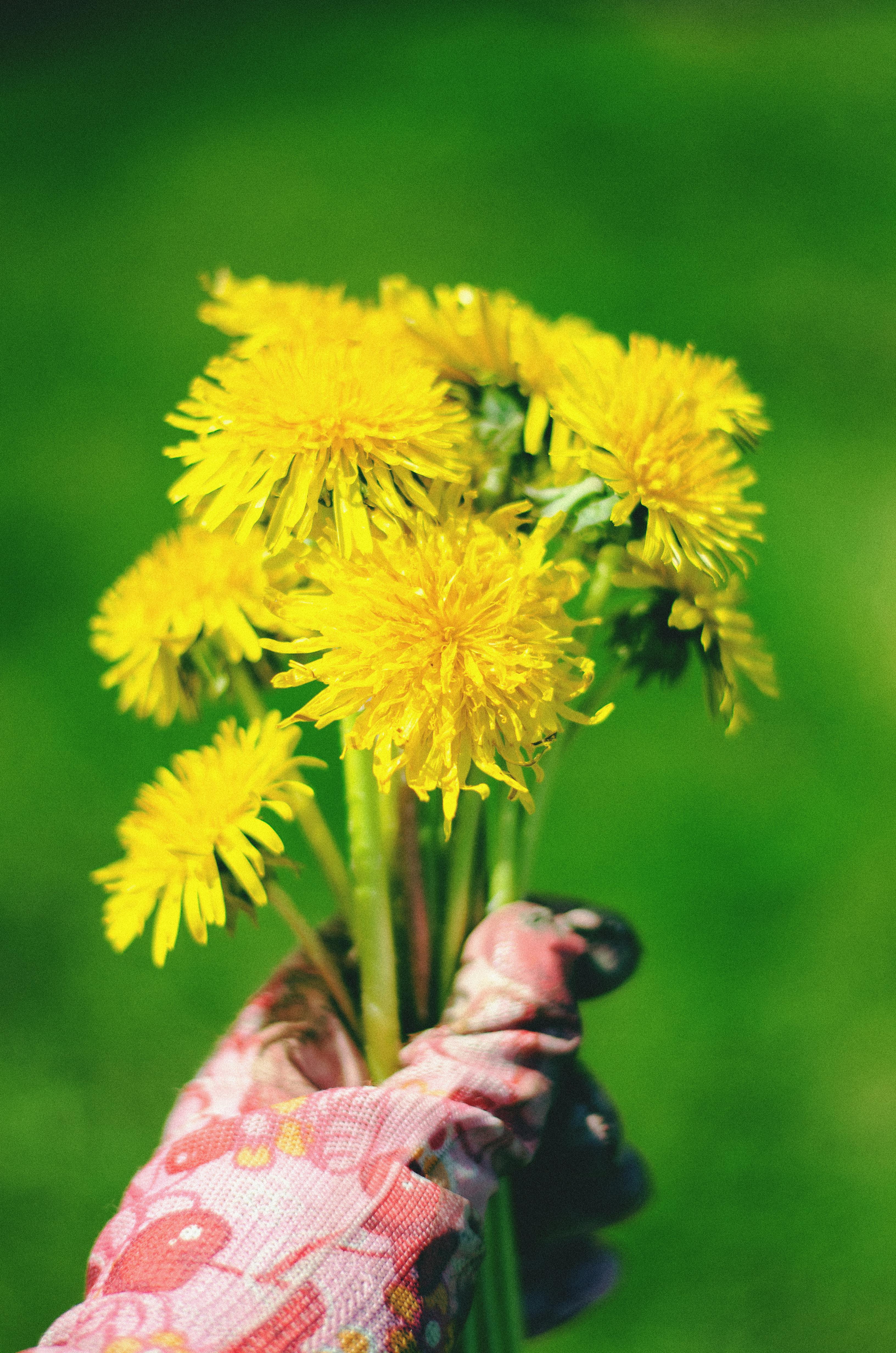
4. Dandelion Root (Taraxacum officinale)


Best for: Breast cysts, fluid retention

Why it helps:

Dandelion root supports liver detoxification and acts as a gentle diuretic, helping reduce fluid buildup.


Layperson takeaway:

Think of it as a gentle “drainage support” herb.


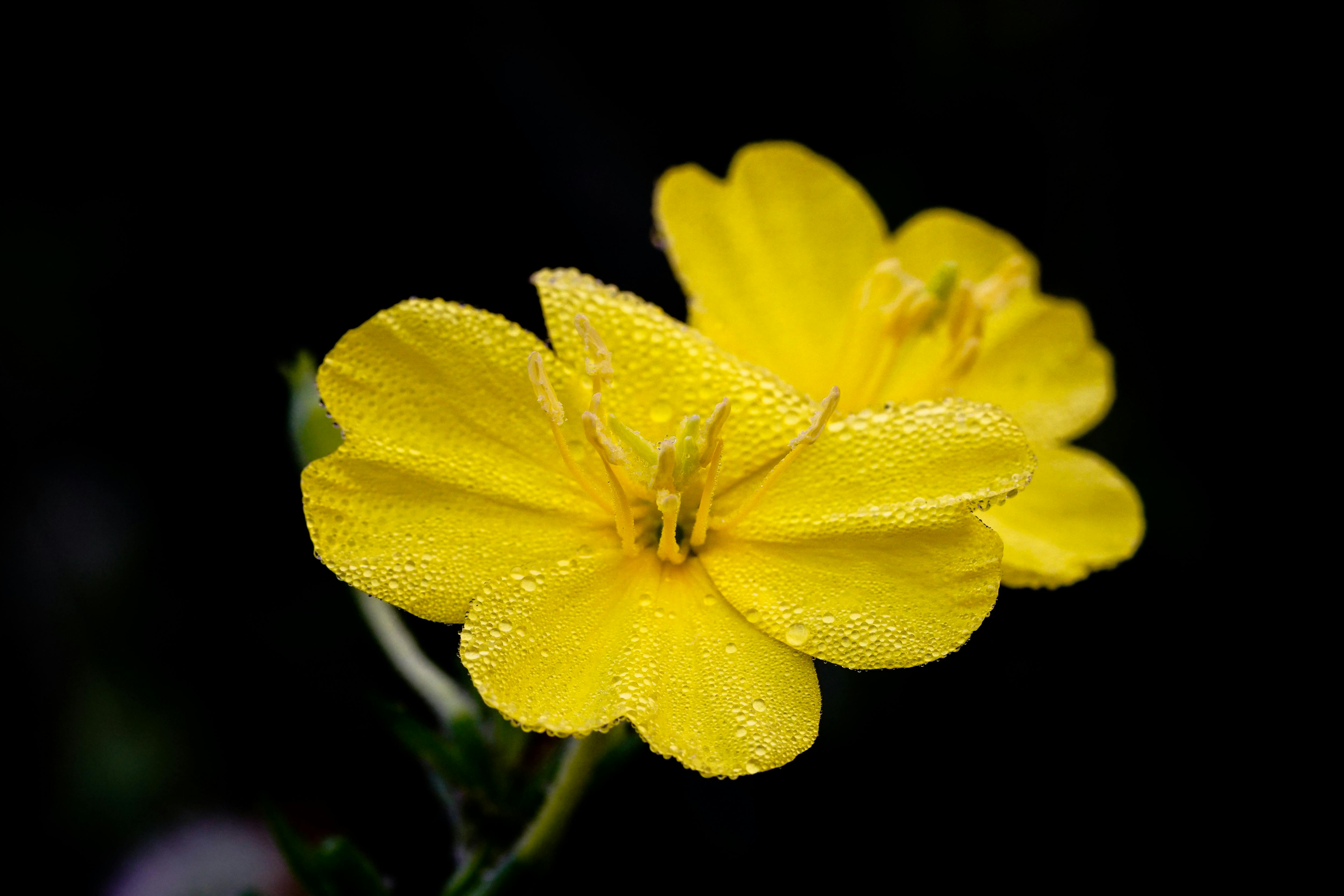
5. Evening Primrose Oil

Best for: Breast cysts, hormonal cysts

Why it helps:

Rich in gamma‑linolenic acid (GLA), which supports hormonal balance and reduces breast tenderness.


Research notes:

Some studies show improvement in cyclic breast pain and fibrocystic changes.


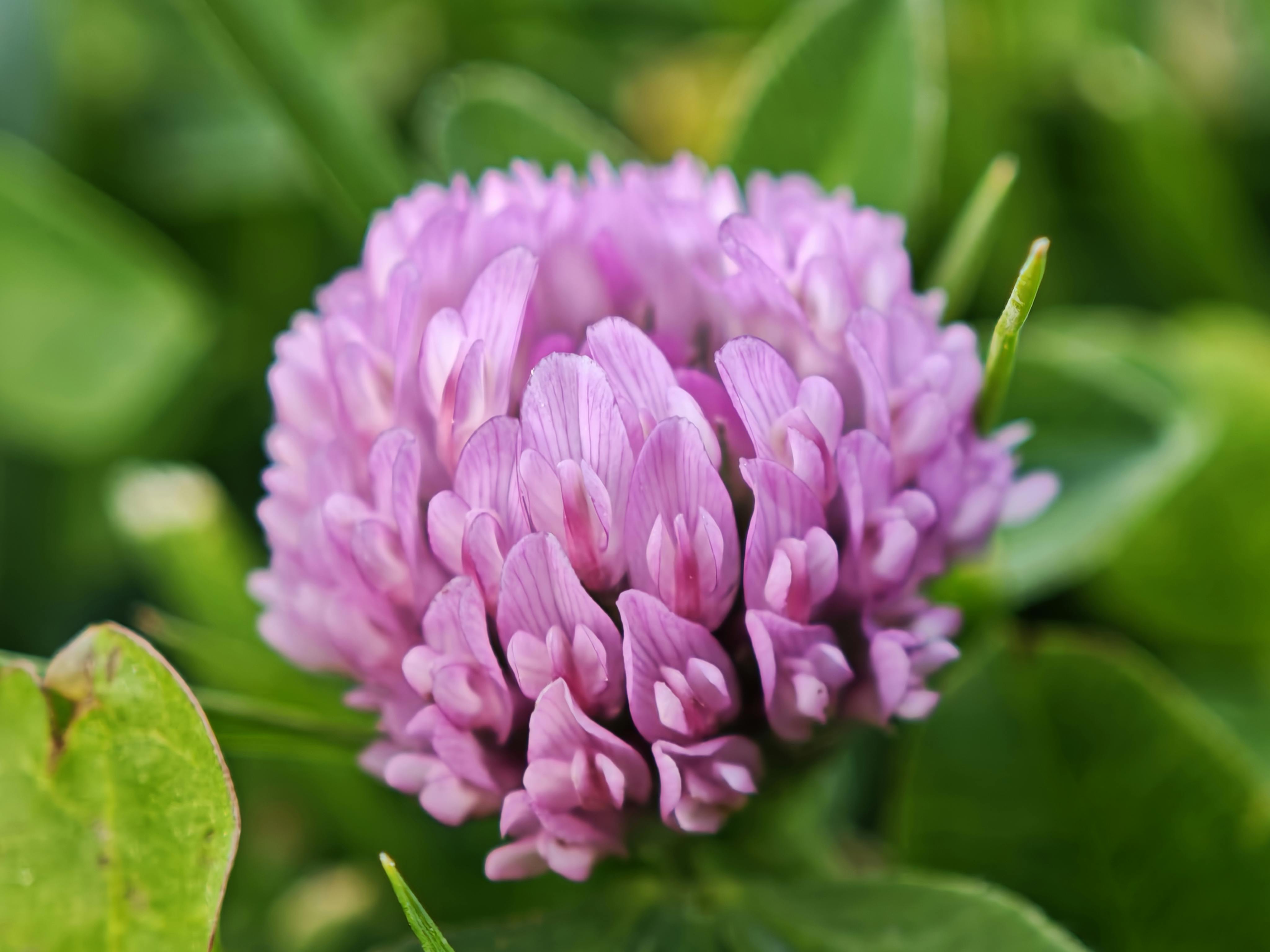
6. Red Clover (Trifolium pratense)

Best for: Ovarian and breast cysts

Why it helps:

Contains phytoestrogens that may help balance estrogen levels.


Layperson takeaway:

Red clover is often used in women’s herbal formulas for cystic conditions.


red clover for cysts


7. Castor Oil Packs (not an herb, but a powerful natural therapy)


Useful for cysts, breast cysts, lymphatic congestion

Why it helps:


Castor oil contains ricinoleic acid, which supports circulation and lymphatic flow.


Research notes:

Small studies show castor oil packs may improve lymphatic drainage and reduce inflammation.


🌿 How These Herbs Support Your Body


Herbs don’t “pop” or “dissolve” cysts. Instead, they support the body’s natural processes:


  • Reducing inflammation
  • Balancing hormones
  • Improving lymphatic flow
  • Supporting detoxification
  • Calming irritated tissues


This holistic support may help cysts shrink, become less painful, or recur less often.


🌱 Practical Tips for Using Herbs Safely

Here’s how to approach herbal support wisely:


✔ Start with one herb at a time

This helps you understand what’s working for you.


✔ Give herbs time

Most herbal effects build gradually over weeks.


✔ Support your lymphatic system

Gentle movement, hydration, and warm compresses help herbs work better.


✔ Watch for red flags


Seek medical care if you notice:

  • Rapid cyst growth
  • Severe pain
  • Fever
  • Signs of infection
  • Persistent symptoms


✔ Combine herbs with lifestyle support

Anti-inflammatory eating, stress reduction, and sleep all matter.


🌿 What Research Says (In Simple Language)

While herbal research is growing, many studies are small or preliminary. Still, several herbs—like turmeric, Vitex, and evening primrose oil—have promising evidence for inflammation, hormonal balance, and tissue support.


Herbal medicine shines best as a complementary approach, not a replacement for medical care.


🌸 Frequently Asked Questions (FAQ)


Can herbs completely cure cysts?

Herbs may support the body’s natural healing processes, but they don’t guarantee a cure. Persistent or painful cysts should be evaluated by a healthcare professional.


How long do herbs take to work?

Many people notice changes within 4–12 weeks, depending on the herb and the type of cyst.


Are herbs safe for everyone?

Not always. Pregnant or breastfeeding individuals, people on medications, or those with chronic conditions should consult a healthcare provider.


Can I combine multiple herbs?

Yes, but start slowly and pay attention to how your body responds.


Do castor oil packs really help?

Many people find them soothing, and small studies suggest they may support lymphatic flow.


📚 References 


Burdock root. (2020). Journal of Herbal Medicine, 22, 100344. https://doi.org/10.1016/j.hermed.2020.100344 (doi.org in Bing)


Curcumin and inflammation. (2017). Phytotherapy Research, 31(7), 985–1000. https://onlinelibrary.wiley.com/doi/10.1002/ptr.5805 (onlinelibrary.wiley.com in Bing)


Dandelion root benefits. (2014). Journal of Ethnopharmacology, 155(1), 1–13. https://doi.org/10.1016/j.jep.2014.06.006 (doi.org in Bing)


Evening primrose oil and breast pain. (2019). Breast Cancer Research and Treatment, 177(3), 569–578. https://doi.org/10.1007/s10549-019-05327-4 (doi.org in Bing)


Red clover phytoestrogens. (2016). Menopause, 23(11), 1232–1241. https://doi.org/10.1097/GME.0000000000000680 (doi.org in Bing)


Vitex agnus‑castus and hormonal balance. (2013). Planta Medica, 79(7), 562–575. https://doi.org/10.1055/s-0032-1328331 (doi.org in Bing)


Monday, 6 October 2025

A Science-Backed Guide to Herbs for Diabetes Management

Harnessing Nature's Pharmacy: A Science-Backed Guide to Herbs for Diabetes Management


Meta Description: 

Explore the scientific evidence behind powerful herbs for diabetes management. This  guide covers diabetes essentials, proven herbal remedies, and practical tips for a healthier life.


herbs for diabetes


Introduction: Taking Charge of Your Health, Naturally

Living with diabetes can often feel like a constant balancing act. From daily monitoring to medication routines, the journey can be overwhelming. But what if there were natural allies, rooted in centuries of traditional medicine and now supported by modern science, that could empower your diabetes management journey? 

This guide delves into the fascinating world of herbs for diabetes, offering a science-backed perspective on how these botanical wonders might help you take greater control of your health. We'll not only explore specific herbs but also demystify diabetes itself, ensuring you have the knowledge to make informed choices and embark on a path toward a healthier, more vibrant you.


Understanding Diabetes: The Foundation of Empowerment

Before we explore the power of herbs, let's establish a clear understanding of diabetes. Knowledge is your greatest tool in managing this condition.


What is Diabetes?

Diabetes mellitus, commonly known as diabetes, is a chronic metabolic disease characterized by high blood sugar (glucose) levels. Glucose is vital for your health because it's an important source of energy for the cells that make up your muscles and tissues. However, too much glucose in the blood can lead to serious health problems over time.


Types of Diabetes


  • Type 1 Diabetes: Believed to be an autoimmune condition where the body's immune system mistakenly attacks and destroys the insulin-producing cells in the pancreas. This means the body produces little to no insulin. It typically develops in childhood or adolescence but can occur at any age.

  • Type 2 Diabetes: The most common type, occurring when the body becomes resistant to insulin or doesn't produce enough insulin. Lifestyle factors like diet, inactivity, and obesity play a significant role in its development, though genetics also contribute.

  • Gestational Diabetes: A temporary form of diabetes that develops during pregnancy. It usually resolves after childbirth but increases the risk of developing type 2 diabetes later in life for both the mother and the child.

  • Prediabetes: A condition where blood sugar levels are higher than normal but not yet high enough to be diagnosed as type 2 diabetes. This is a critical window for intervention, as lifestyle changes can often prevent the progression to full-blown type 2 diabetes.


Causes of Diabetes

The causes vary depending on the type. Type 1 is autoimmune, while type 2 is a complex interplay of genetic predisposition and lifestyle factors (obesity, inactivity, unhealthy diet). Gestational diabetes is linked to hormonal changes during pregnancy.


Signs and Symptoms of Diabetes

Common symptoms include:

  • increased thirst, 
  • frequent urination, 
  • unexplained weight loss, 
  • increased hunger, 
  • blurred vision,
  • fatigue, \
  • slow-healing sores, 
  • and frequent infections. 

It's crucial to recognize these signs and seek medical attention.