SEARCH

Featured post

Immune System Support

Boost Your Immune System Naturally: Foods, Herbs & Lifestyle Meta Description:   Strengthen your immune defenses naturally with key nutr...

Showing posts sorted by date for query detox. Sort by relevance Show all posts

Thursday, 2 July 2026

Immune System Support Protocol for People Living With HIV

Immune System Support Protocol for People Living With HIV


Meta Description

A simple, research-informed immune support protocol for people living with HIV, including anti-inflammatory herbs, diet, detox support, sunlight, near-infrared therapy, lymph movement, electrical stimulation, and plant-based supplements shown to support immune function.


outdoors


What Is HIV?


HIV (Human Immunodeficiency Virus) is a virus that attacks the immune system — specifically CD4 T‑cells — weakening the body’s ability to fight infections. Without treatment, HIV can progress to AIDS, but with modern antiretroviral therapy, people can live long, healthy lives.


HIV Modes of Transmission


  • Unprotected sexual contact

  • Sharing needles or injection equipment

  • Mother-to-child transmission (pregnancy, birth, breastfeeding)

  • Blood transfusion (rare today due to screening)


Here are the common symptoms of HIV

If you or anyone you know is experiencing these symptoms, it’s important to speak with a qualified healthcare professional for proper testing and guidance.


HIV Symptoms


HIV symptoms can vary depending on the stage of infection. Some people have strong symptoms early on, while others may have very mild or none at all.


1️⃣ Acute HIV Infection (2–6 weeks after exposure)


This is the first stage, when the virus multiplies rapidly. Symptoms often resemble the flu. These symptoms usually last a few days to a few weeks.


  • Fever — one of the most common early signs

  • Fatigue — feeling unusually tired

  • Sore throat

  • Swollen lymph nodes — neck, armpits, groin

  • Skin rash — often on the trunk

  • Headache

  • Muscle and joint pain

  • Night sweats

  • Mouth ulcers


2️⃣ Chronic HIV Infection (Clinical Latency Stage)


After the acute phase, HIV becomes less symptomatic, but the virus continues to weaken the immune system. Some people may have no symptoms for years, which is why testing is essential.

Common symptoms during this stage include:


  • Persistent swollen lymph nodes

  • Frequent infections — colds, flu, fungal infections

  • Weight loss

  • Low energy

  • Skin problems — rashes, dermatitis

  • Diarrhea that lasts more than a week


 3️⃣Advanced HIV (AIDS)

This stage occurs when the immune system is severely damaged. At this stage, medical care is urgent.

Symptoms may include:


  • Rapid weight loss

  • Recurring fever

  • Extreme fatigue

  • Opportunistic infections — pneumonia, TB, fungal infections

  • Chronic diarrhea

  • Memory loss or neurological issues

  • Skin blotches — purple, brown, or red spots

  • Persistent cough

  • Night sweats


Standard Medical Treatments for HIV


  • Antiretroviral Therapy (ART) — the global standard; suppresses viral load and protects the immune system.

  • Preventive care —  regular checkups, and infection screening.

  • Lifestyle support — nutrition, exercise, stress reduction.


HIV Immune Support Protocol - (get more details here)


1. Anti-Inflammatory Diet (Highly Recommended)


Chronic inflammation weakens immunity. A plant‑forward diet reduces inflammatory load and supports gut health.


Key foods:


  • Leafy greens, berries, cruciferous vegetables

  • Ginger, turmeric, garlic

  • Sea moss, aloe vera, moringa

  • Flaxseed (omega‑3 source)

  • Papaya & pineapple (digestive enzymes)

  • Aloe vera - over 100 components to support wellness.

  • Leaf of Life - powerful antiinflammatory plant.


Why the antiinflammatory diet helps support immunity in HIV

Plant foods contain antioxidants that reduce oxidative stress — a major issue in HIV progression.


2. Research-Supported Herbs for HIV Immune Support

  • Coconut (Coconut Oil & Monolaurin) Research shows monolaurin (from coconut) has antiviral activity and may reduce viral load in some contexts.

  • Moringa Rich in vitamins A, C, and minerals; studies show immune‑boosting and anti-inflammatory effects.

  • Aloe Vera Contains acemannan, studied for immune modulation and gut support.

  • Papaya Leaf Traditionally used for immune support; contains antioxidants and enzymes.

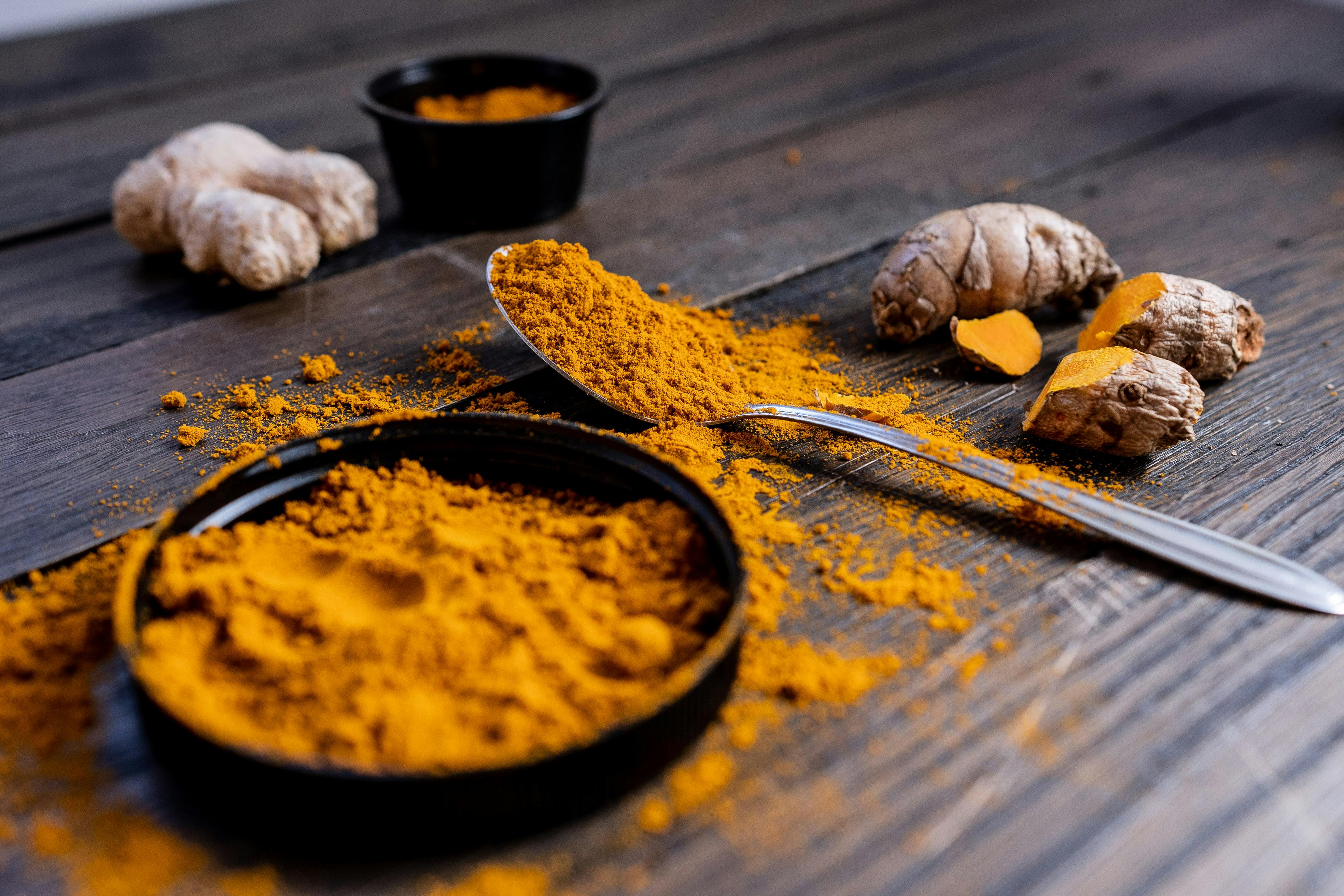
  • Turmeric (Curcumin) Strong anti-inflammatory and antioxidant; studied for immune modulation.

  • Ginger Supports circulation, digestion, and inflammation reduction.

  • Sea Moss (Irish Moss) Provides iodine, minerals, and mucilage that support gut and immune health.


3. Detoxification Support

Reducing toxic load helps the immune system function more efficiently.


Options:

  • Activated charcoal (binds toxins)

  • Sea moss, kelp (mineral-rich detox support)

  • Shadom bene / culantro (traditional detox herb)

  • Plant-based diet (naturally detoxifying)


4. Supplementation (Highly Recommended)

These nutrients are commonly low in people with chronic immune activation.


  • Vitamin D3 — essential for immune regulation

  • Calcium, Magnesium, Zinc — support immunity and stress response

  • Omega‑3 fatty acids — anti-inflammatory

  • Digestive enzymes — papaya & pineapple improve nutrient absorption

  • Multi-mineral/multi-vitamin — fills nutritional gaps

  • TMG (Trimethylglycine) — supports liver detox pathways


5. Near-Infrared (NIR) Light Therapy

NIR light supports mitochondrial energy production.


Benefits:


  • Reduces inflammation

  • Supports cellular repair

  • May improve lymph flow and circulation


Options include:


6. Sunlight Therapy


Sunlight energizes immune cells and boosts vitamin D.


Guidelines:

  • 10–20 minutes daily in warm seasons

  • Up to 1–2 hours in winter (depending on climate)


7. Move Lymph & Improve Circulation


Lymph movement is essential for immune function. These help remove cellular waste and support detoxification.


Simple methods:


  • Trampoline or heel bouncing

  • Body/skin brushing

  • Body tapping

  • Walking or gentle exercise


8. Electrical Stimulation Therapy (microcurrent therapy)


The page mentions Hulda Clarke–style zappers and other devices.


Important note: Evidence is limited, and this should never replace medical care. However, some people use microcurrent devices for:


  • Improved circulation

  • Reduced inflammation

  • General wellness

Avoid if pregnant or using a pacemaker. 


Learn more about electrical stimulation therapy/microcurrent theraoy


9. Grounding & Light-Based Tools - These are optional supportive practices.


Putting It All Together: Simple Daily Protocol To Support Immunity In HIV/AIDS

01

Begin with an anti-inflammatory diet

Focus on plant-based meals rich in antioxidants to reduce inflammation and support immune balance.


02

Add immune-supportive herbs

Use herbs like moringa, aloe, ginger, turmeric, and coconut-derived monolaurin to strengthen immune resilience.

03


Include essential supplements

Support nutrient levels with vitamin D3, omega-3s, minerals, and digestive enzymes for better absorption.

04

Use light-based therapies

Apply near-infrared or sunlight exposure to energize immune cells and reduce inflammation.

05

Move lymph daily

Practice heel bouncing, skin brushing, or gentle exercise to help detoxification and immune circulation.

06

Optional electrical stimulation

Microcurrent devices may support wellness but should never replace medical HIV treatment.


Tuesday, 19 May 2026

Herbs for Cysts: Natural Remedies Backed by Tradition and Emerging Science

🌿 Herbs for Cysts: Natural Remedies Backed by Tradition and Emerging Science


Meta description: 

Discover the best herbs for cysts, how they work, what research says, and how to use them safely. A friendly, science-informed guide for everyday readers.


Herbs for Cysts: - chasteberry


🌱 Introduction: When a Cyst Interrupts Your Peace


A cyst can feel like a tiny problem with a big impact. Whether it’s a sebaceous cyst, ovarian cyst, or a breast cyst, the discomfort, worry, and frustration can be real. Many people wonder:


  • “Are there natural remedies that actually help?”
  • “Can herbs shrink cysts?”
  • “What does science say?”


If you’ve asked any of these questions, you’re in the right place. This guide blends traditional herbal wisdom, modern research, and practical, everyday advice—all in warm, simple language.


Before we dive in, remember:

Persistent, painful, or rapidly growing cysts should always be evaluated by a qualified healthcare professional. Herbs can support wellness, but they don’t replace medical care.


🌿 Understanding Cysts in Simple Terms


A cyst is a small sac filled with fluid, air, or semi-solid material. Most cysts are benign, but they can become uncomfortable or cosmetically bothersome.


Common types of cysts include:


  • Sebaceous (epidermoid) cysts – often on the scalp, face, or back
  • Ovarian cysts – fluid-filled sacs on the ovaries
  • Breast cysts – common in women with fibrocystic breast changes
  • Ganglion cysts – near joints or tendons


Why Herbs Are Considered For Treating Cysts


Herbs may help by supporting:


  • Hormonal balance
  • Inflammation reduction
  • Lymphatic drainage
  • Skin healing
  • Fluid regulation


Let’s explore the most respected herbs for cyst support.


🌼 Top Herbs for Cysts (Science‑Informed + Traditionally Trusted)


1. Chasteberry (Vitex agnus‑castus)


Best for: Ovarian cysts, hormonal imbalance

Why it helps:

Chasteberry is widely used for menstrual irregularities and PMS. Research suggests it influences the pituitary gland, which helps regulate hormones involved in cyst formation.


What studies show:

Some clinical studies indicate that Vitex may support progesterone balance, which can help reduce functional ovarian cysts.


Layperson takeaway:

If your cysts tend to flare with your cycle, Vitex is often the herb people explore.


2. Turmeric (Curcuma longa)


Best for: Inflammatory cysts, skin cysts

Why it helps:

Turmeric contains curcumin, a powerful anti-inflammatory compound.


Research highlights:

Studies show curcumin may reduce inflammatory markers and support wound healing—useful for cysts that are irritated or swollen.


Layperson takeaway:

Turmeric is like nature’s soothing balm for inflammation.


3. Burdock Root (Arctium lappa)


Best for: Skin cysts, detox support

Why it helps:

Traditionally used as a blood purifier, burdock supports the liver and lymphatic system—two systems involved in clearing waste and reducing skin congestion.


Research notes:

Some studies show burdock has antioxidant and anti-inflammatory effects.


Layperson takeaway:

If your cysts are skin-related, burdock is a classic herbal ally.


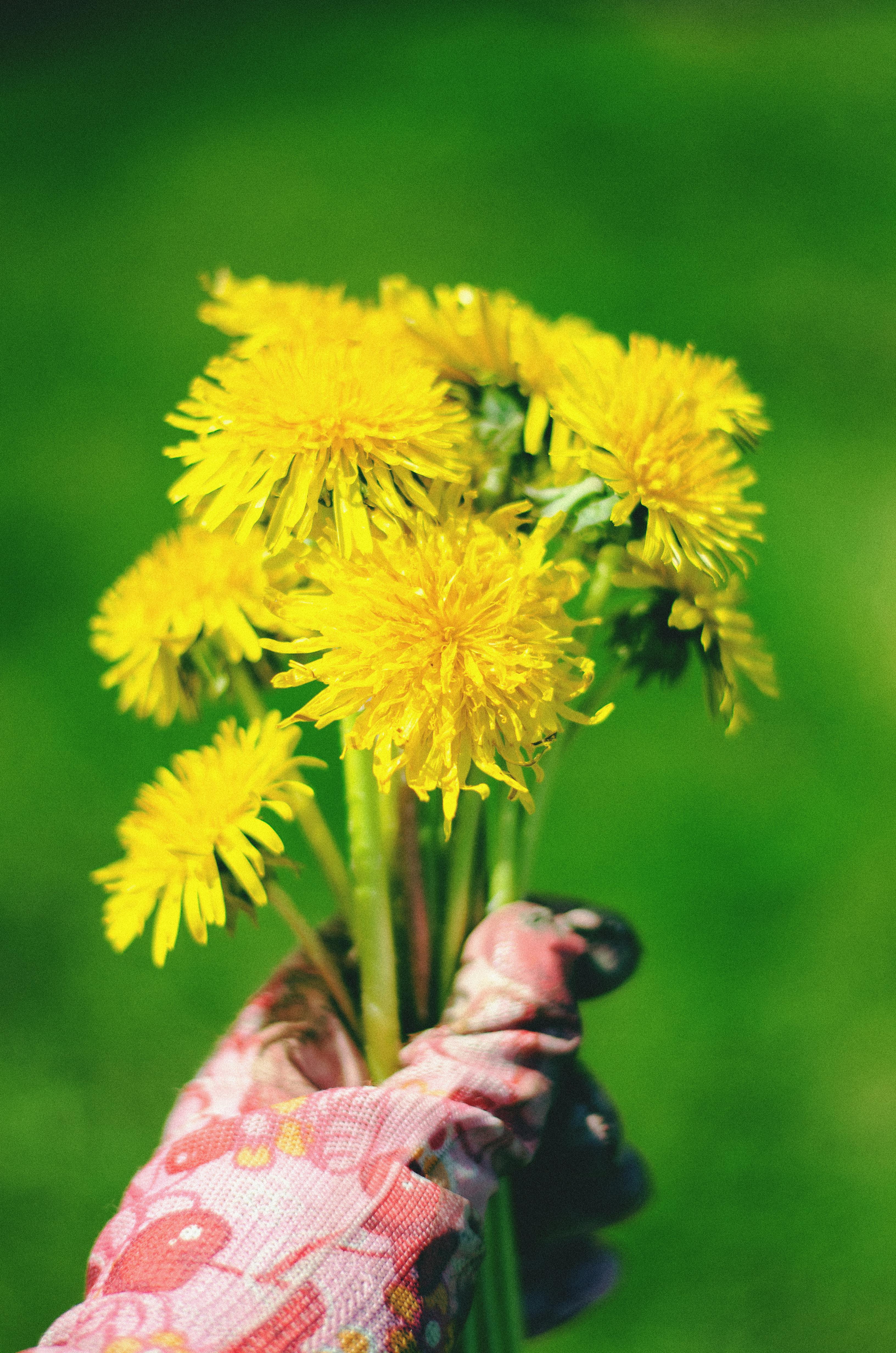
4. Dandelion Root (Taraxacum officinale)


Best for: Breast cysts, fluid retention

Why it helps:

Dandelion root supports liver detoxification and acts as a gentle diuretic, helping reduce fluid buildup.


Layperson takeaway:

Think of it as a gentle “drainage support” herb.


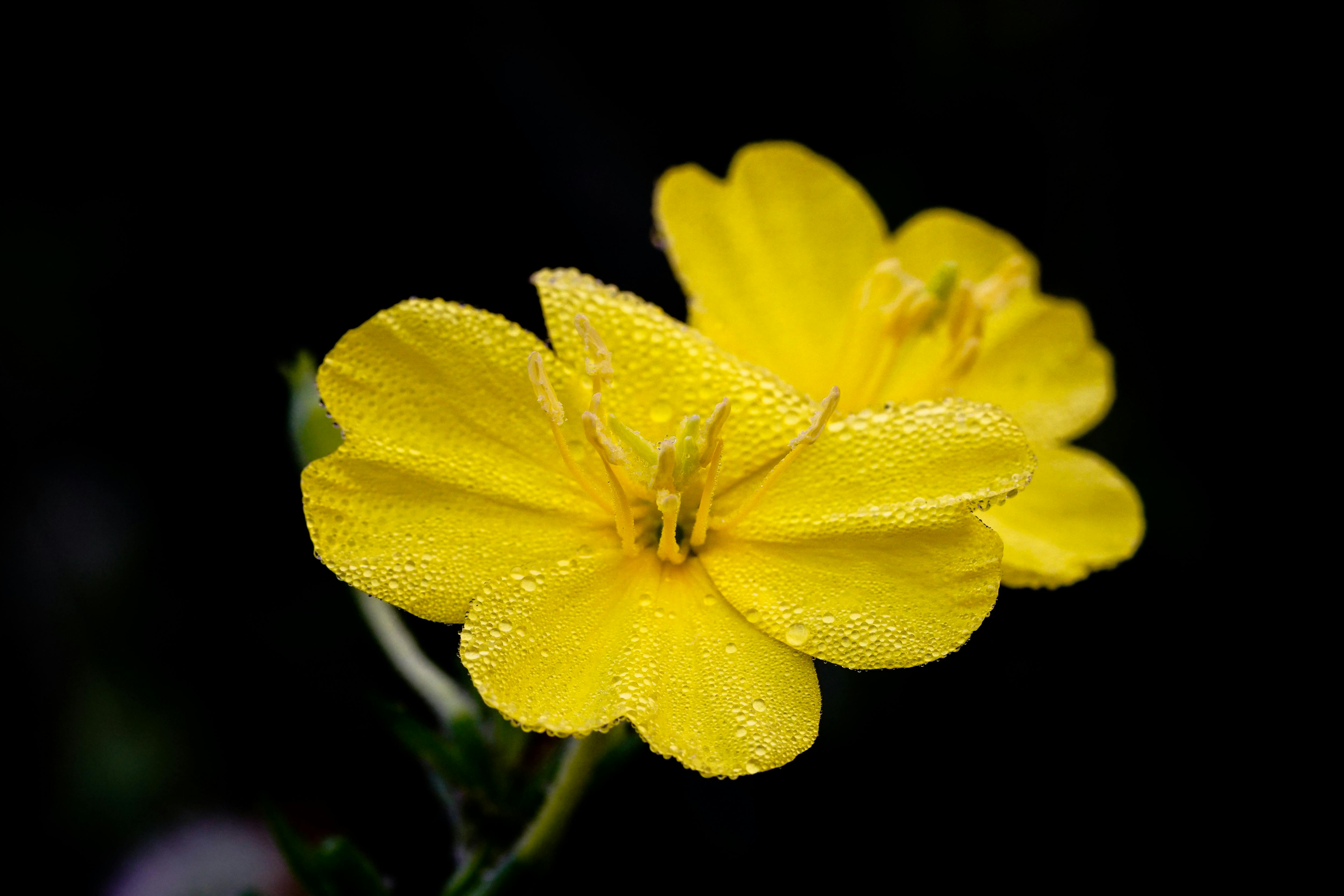
5. Evening Primrose Oil

Best for: Breast cysts, hormonal cysts

Why it helps:

Rich in gamma‑linolenic acid (GLA), which supports hormonal balance and reduces breast tenderness.


Research notes:

Some studies show improvement in cyclic breast pain and fibrocystic changes.


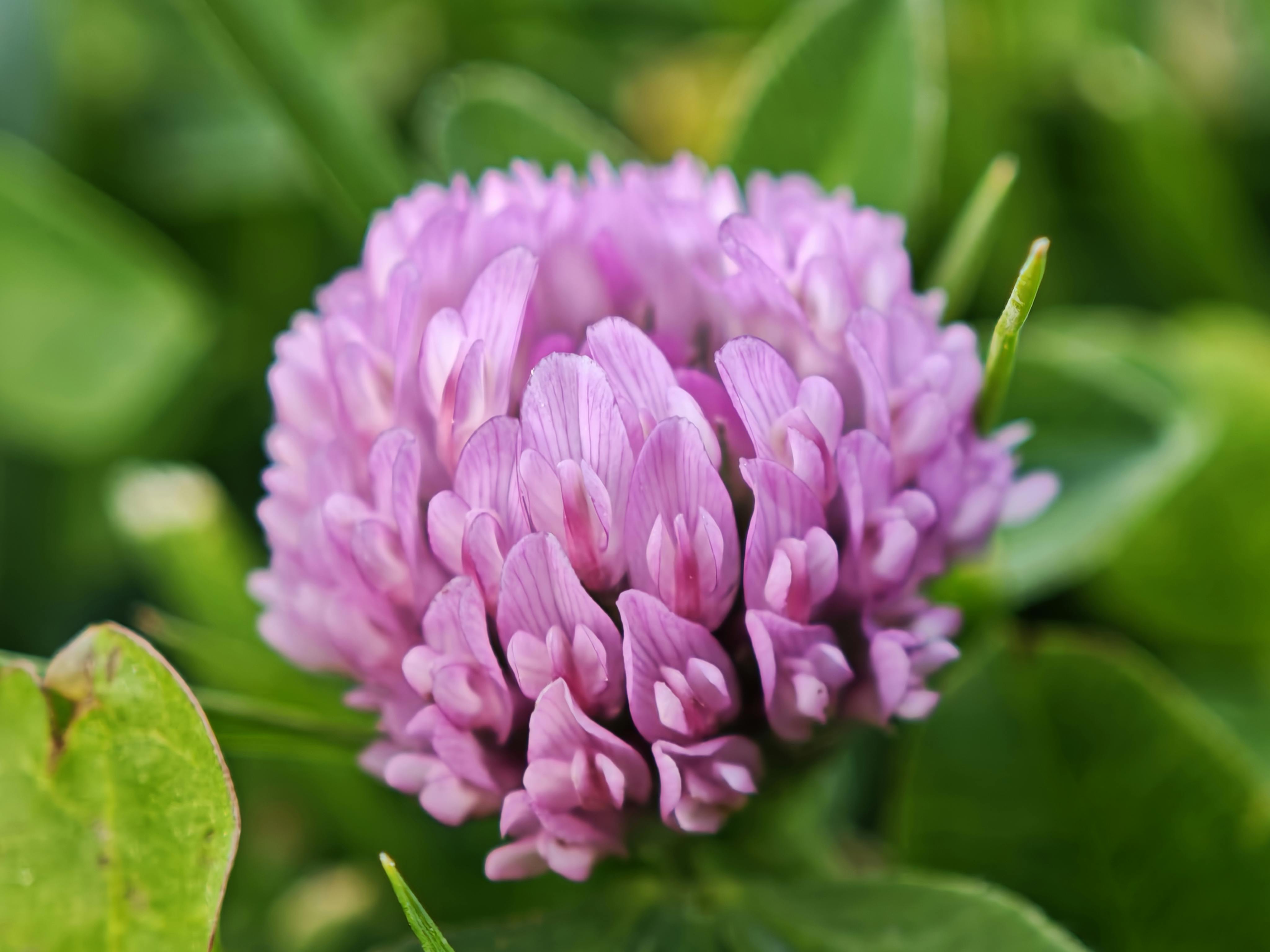
6. Red Clover (Trifolium pratense)

Best for: Ovarian and breast cysts

Why it helps:

Contains phytoestrogens that may help balance estrogen levels.


Layperson takeaway:

Red clover is often used in women’s herbal formulas for cystic conditions.


red clover for cysts


7. Castor Oil Packs (not an herb, but a powerful natural therapy)


Useful for cysts, breast cysts, lymphatic congestion

Why it helps:


Castor oil contains ricinoleic acid, which supports circulation and lymphatic flow.


Research notes:

Small studies show castor oil packs may improve lymphatic drainage and reduce inflammation.


🌿 How These Herbs Support Your Body


Herbs don’t “pop” or “dissolve” cysts. Instead, they support the body’s natural processes:


  • Reducing inflammation
  • Balancing hormones
  • Improving lymphatic flow
  • Supporting detoxification
  • Calming irritated tissues


This holistic support may help cysts shrink, become less painful, or recur less often.


🌱 Practical Tips for Using Herbs Safely

Here’s how to approach herbal support wisely:


✔ Start with one herb at a time

This helps you understand what’s working for you.


✔ Give herbs time

Most herbal effects build gradually over weeks.


✔ Support your lymphatic system

Gentle movement, hydration, and warm compresses help herbs work better.


✔ Watch for red flags


Seek medical care if you notice:

  • Rapid cyst growth
  • Severe pain
  • Fever
  • Signs of infection
  • Persistent symptoms


✔ Combine herbs with lifestyle support

Anti-inflammatory eating, stress reduction, and sleep all matter.


🌿 What Research Says (In Simple Language)

While herbal research is growing, many studies are small or preliminary. Still, several herbs—like turmeric, Vitex, and evening primrose oil—have promising evidence for inflammation, hormonal balance, and tissue support.


Herbal medicine shines best as a complementary approach, not a replacement for medical care.


🌸 Frequently Asked Questions (FAQ)


Can herbs completely cure cysts?

Herbs may support the body’s natural healing processes, but they don’t guarantee a cure. Persistent or painful cysts should be evaluated by a healthcare professional.


How long do herbs take to work?

Many people notice changes within 4–12 weeks, depending on the herb and the type of cyst.


Are herbs safe for everyone?

Not always. Pregnant or breastfeeding individuals, people on medications, or those with chronic conditions should consult a healthcare provider.


Can I combine multiple herbs?

Yes, but start slowly and pay attention to how your body responds.


Do castor oil packs really help?

Many people find them soothing, and small studies suggest they may support lymphatic flow.


📚 References 


Burdock root. (2020). Journal of Herbal Medicine, 22, 100344. https://doi.org/10.1016/j.hermed.2020.100344 (doi.org in Bing)


Curcumin and inflammation. (2017). Phytotherapy Research, 31(7), 985–1000. https://onlinelibrary.wiley.com/doi/10.1002/ptr.5805 (onlinelibrary.wiley.com in Bing)


Dandelion root benefits. (2014). Journal of Ethnopharmacology, 155(1), 1–13. https://doi.org/10.1016/j.jep.2014.06.006 (doi.org in Bing)


Evening primrose oil and breast pain. (2019). Breast Cancer Research and Treatment, 177(3), 569–578. https://doi.org/10.1007/s10549-019-05327-4 (doi.org in Bing)


Red clover phytoestrogens. (2016). Menopause, 23(11), 1232–1241. https://doi.org/10.1097/GME.0000000000000680 (doi.org in Bing)


Vitex agnus‑castus and hormonal balance. (2013). Planta Medica, 79(7), 562–575. https://doi.org/10.1055/s-0032-1328331 (doi.org in Bing)


Wednesday, 1 October 2025

🌿 Natural Allies: Foods & Supplements for Mold Toxin Support In Asthma!

 ðŸŒ¿ Natural Allies: Foods & Supplements for Mold Toxin Support In Asthma!


Meta Description:


Worried about mold exposure impacting your health? Discover how specific natural foods and supplements can help your body bind and eliminate mycotoxins, supporting asthma prevention and overall wellness. Learn about effective binders and anti-inflammatory powerhouses!


Foods & Supplements for Mold Toxin Support In Asthma!


Introduction to mold toxin support in asthma


The goal of using certain foods and substances for mold-related health issues, including asthma prevention, is not to "absorb mold" itself, but rather to help the body bind and eliminate the toxic byproducts that mold produces, known as mycotoxins.

Mycotoxins are what can cause inflammation and allergic reactions in sensitive individuals. The substances that help remove these toxins are called binders.


The most effective natural foods and substances known to act as mycotoxin binders


Here are the most effective natural foods and substances known to act as mycotoxin binders and anti-inflammatory aids:


1. Natural Dietary "Binders" (Insoluble Fiber)


These foods contain fibers that pass through the digestive tract undigested, effectively "soaking up" toxins and carrying them out of the body through stool.

Flax Seeds (Ground): Excellent source of insoluble fiber. It's best to grind them fresh right before consumption to maximize the benefit.


Pumpkin Seeds: Another high-fiber seed that also provides beneficial minerals like magnesium, which can help relax airway muscles.

Beans and Legumes: Various beans (black, kidney, pinto) are rich sources of fiber that aid in detoxification and regular elimination.

Whole Grains (e.g., Oat Bran, Brown Rice): Contain insoluble fiber that can help bind toxins in the gut.

Fruits and Vegetables (especially skins): The skin of fruits and the fibrous parts of vegetables are high in insoluble fiber.


2. Powerful Natural Supplements (Often Used as Binders)


These are usually taken as supplements and are often recommended in mold detox protocols, but should be used under the guidance of a healthcare professional as they can bind to beneficial nutrients as well:


Chlorella: This is a type of green algae that is a potent binder for heavy metals and mycotoxins, particularly aflatoxins. It is often considered a gentler binder than charcoal or clay.


Modified Citrus Pectin (MCP) / Glucomannan: These are types of soluble and insoluble fiber derived from plants (citrus peels and konjac yam, respectively) that have shown effectiveness in binding various mycotoxins.

Yeast Cell Wall Extracts (Beta-Glucans): Derived from Saccharomyces cerevisiae, the cell wall components can bind to a wide range of mycotoxins in the digestive tract.


3. Anti-Inflammatory and Detox-Supporting Foods


While they don't directly "absorb" the mold toxins, these foods support the body's natural defense and detoxification systems (the liver and immune system), which is crucial for asthma prevention:

Antioxidant-Rich Fruits and Vegetables: These contain vitamins (like C, E, and Beta-Carotene) and antioxidants that help neutralize oxidative stress and reduce the airway inflammation associated with asthma. Examples include:

Apples and Citrus Fruits

Carrots, Sweet Potatoes, and Kale

Berries (Blueberries, Raspberries)

Garlic and Onions: Contain compounds that have antifungal properties and can promote a healthy gut microbiome, which is essential for detoxification.

Ginger and Turmeric: Known for powerful anti-inflammatory properties that can help soothe inflamed airways.

Probiotic-Rich Foods: Fermented foods like yogurt, kefir, sauerkraut, and kimchi help restore a healthy gut microbiome. A balanced gut is key, as the microbiome can enzymatically degrade and help bind mycotoxins.


Important Note:


If you suspect mold exposure is contributing to your asthma, it is crucial to consult a healthcare provider or functional medicine practitioner. They can perform appropriate testing and design a safe and effective mycotoxin detox protocol, which may include prescription binders and a carefully planned diet.

The most important step for asthma prevention is to eliminate the source of mold in your home or environment. Dietary measures are a complement to, not a replacement for, professional medical treatment and mold remediation.


Saturday, 19 July 2025

Deep Dive Into The Health Benefits Of Rest

 Beyond Just Sleep: Unlocking the Incredible Health Benefits of Rest


Meta Description: Feeling drained? Discover the incredible health benefits of rest, from boosting your brainpower to strengthening your immunity. Learn practical tips for better sleep and relaxation, and transform your well-being.


Introduction to the Incredible Health Benefits of Rest

Do you know that God created a day of rest and that He rested as well?  Our Heavenly Father created rest for our well-being and even commanded that we rest.  But how well are doing you in relation to getting rest?

Genesis 2:2-3 says, "By the seventh day God had finished the work he had been doing; so on that day he rested from all his work. And God blessed the seventh day and made it holy, because on it he rested from all the work of creating that he had done.

Are you constantly pushing yourself, feeling like there aren't enough hours in the day? Do you wear "busy" like a badge of honor, secretly battling exhaustion? If so, you're not alone. In our fast-paced world, rest often feels like a luxury, something we’ll get to someday. But what if I told you that prioritizing rest isn't just about feeling less tired, but about unlocking a profound transformation in your physical and mental well-being?

Many of us fear that taking time to rest means falling behind, missing out, or being seen as unproductive. We set ambitious goals, striving for peak performance in every aspect of our lives – career, family, fitness. But the truth is, neglecting rest can actually hinder those very goals, leading to burnout, illness, and a diminished quality of life.

Imagine waking up feeling genuinely refreshed, mentally sharp, and ready to tackle your day with enthusiasm. Picture yourself less stressed, more resilient, and brimming with creative energy. This isn't a pipe dream; it's the potential transformation that awaits when you embrace the power of rest.

Let's dive into the often-underestimated, yet incredibly vital, health benefits of taking a break.


More Than Just Zzz's: What Does "Rest" Truly Mean?

When we talk about rest, most people immediately think of sleep. While sleep is a cornerstone of rest, it's not the whole picture. Rest encompasses a broader spectrum of activities that allow your mind and body to recover and recharge. This can include:

  • Physical Rest: This is about giving your body a break from physical exertion. It could be a nap, lounging on the couch, or simply avoiding strenuous activities.

  • Mental Rest: Unplugging from constant stimulation, worries, and decision-making. This might look like meditation, reading for pleasure, or simply daydreaming.

  • Emotional Rest: Taking a break from emotional labor and demanding social interactions. Spending time alone or with truly supportive individuals can be key here.

  • Sensory Rest: Reducing input from screens, loud noises, and excessive stimulation. Think quiet spaces, nature walks, or a digital detox.

Understanding these different forms of rest is the first step toward incorporating them strategically into your life.


The Science-Backed Perks: Why Your Body and Mind Crave Rest

The benefits of adequate rest are far-reaching, impacting virtually every system in your body. Let's explore some of the most significant:

1. Boosting Your Brainpower and Cognitive Function

Ever tried to solve a complex problem when you're exhausted? It feels like wading through treacle. That's because rest, especially sleep, plays a crucial role in brain health.

  • Improved Memory Consolidation: During sleep, your brain processes and consolidates memories from the day, moving them from short-term to long-term storage (Walker, 2017). This means better recall and learning.

  • Enhanced Problem-Solving and Creativity: A well-rested brain is more agile, able to make connections and generate novel ideas. Many breakthroughs happen after a period of rest or even during sleep.

  • Better Focus and Concentration: When you're rested, your attention span improves, making it easier to concentrate on tasks and avoid distractions.

2. Strengthening Your Immune System: Your Body's Best Defense

Lack of rest is a direct pathway to a weakened immune system. When you're chronically tired, your body produces fewer infection-fighting antibodies and cells (Prather et al., 2015).

  • Fights Off Illness: Adequate sleep and rest allow your immune system to produce protective proteins called cytokines. These proteins target infection and inflammation, helping you ward off colds, flu, and other illnesses.

  • Faster Recovery: If you do get sick, rest is paramount for recovery. It allows your body to dedicate its energy to healing rather than daily demands.

3. Balancing Your Mood and Emotional Resilience

Have you noticed how much more irritable or anxious you feel when you're tired? Rest is a powerful regulator of your emotional state.

  • Reduced Stress and Anxiety: Rest helps lower cortisol, the stress hormone, promoting a sense of calm and well-being.

  • Improved Emotional Regulation: When you're well-rested, you're better equipped to handle emotional challenges, react thoughtfully rather than impulsively, and maintain a more positive outlook.

  • Enhanced Empathy and Social Skills: Being rested allows you to be more present and attuned to others, fostering stronger relationships.

4. Supporting Physical Health and Performance

Rest isn't just for your mind; it's vital for your physical vitality, too.

  • Muscle Repair and Growth: During deep sleep, your body releases growth hormone, which is essential for tissue repair and muscle growth. This is particularly important for athletes and anyone engaged in regular physical activity.

  • Hormone Regulation: Rest plays a critical role in balancing hormones that control appetite, metabolism, and stress responses. Lack of sleep can disrupt these, potentially leading to weight gain and other health issues (Spiegel et al., 2004).

  • Reduced Risk of Chronic Diseases: Chronic sleep deprivation is linked to an increased risk of serious health problems like heart disease, diabetes, and high blood pressure. Prioritizing rest is a proactive step towards long-term health.


Overcoming the Hurdles: Practical Tips for Integrating Rest

Now that you understand the incredible benefits, how can you actually get more rest in your busy life? Here are some practical, relatable strategies:


  • Prioritize Sleep Hygiene: This is your foundation. Aim for 7-9 hours of quality sleep per night. Establish a consistent sleep schedule, create a relaxing bedtime routine, make your bedroom dark and cool, and limit screen time before bed.

  • Schedule "Rest Breaks": Just as you schedule meetings or workouts, schedule short periods of rest throughout your day. Even 10-15 minutes of quiet time, a short walk, or some deep breathing can make a difference.

  • Embrace the Power of "No": It's okay to decline commitments that overextend you. Learn to set boundaries and protect your time. Your well-being is worth it.

  • Unplug Regularly: Designate tech-free times, especially in the evenings. Step away from your phone, computer, and TV to give your mind a break from constant stimulation.

  • Find Your Rest Rituals: What truly recharges you? It might be reading, listening to music, taking a warm bath, spending time in nature, or engaging in a calming hobby. Identify these activities and make them a regular part of your routine.

  • Nap Strategically: If your schedule allows, a short power nap (20-30 minutes) can be incredibly rejuvenating, boosting alertness and performance without causing grogginess.

  • Mindful Movement: Gentle activities like stretching, or a leisurely walk can be both physically and mentally restorative.

Your Transformation Awaits: A Rested You

It's natural to have concerns about prioritizing rest. Will I fall behind at work? Will I miss out on social events? Will I appear less dedicated? These are valid concerns in a world that often glorifies constant hustle.

But consider this: the goal isn't to become unproductive or disengaged. The goal is to become a more effective, more resilient, and happier version of yourself.

The transformation you can expect when you embrace rest is profound:

  • From Drained to Dynamic: You'll have more energy for your work, your hobbies, and your loved ones.

  • From Stressed to Serene: You'll navigate challenges with greater calm and clarity.

  • From Scattered to Focused: Your ability to concentrate and be productive will significantly improve.

  • From Reactive to Responsive: You'll be able to choose your responses rather than simply reacting to circumstances.

Rest isn't a sign of weakness; it's a testament to your commitment to your own well-being and long-term success. Start small, be consistent, and observe the incredible changes that unfold. Your body and mind will thank you.


\


Frequently Asked Questions (FAQ) About Rest


Q: How much sleep do I really need?

A: Most adults need 7-9 hours of sleep per night. However, individual needs can vary. Pay attention to how you feel and adjust accordingly.


Q: Can I catch up on sleep on the weekends?

A: While "catching up" on sleep can help somewhat, it's not a substitute for consistent sleep during the week. Chronic sleep debt can have negative long-term health consequences. It's best to maintain a regular sleep schedule.


Q: What if I have trouble falling asleep or staying asleep?

A: Practice good sleep hygiene: maintain a consistent sleep schedule, create a relaxing bedtime routine, ensure your bedroom is dark, quiet, and cool, and avoid caffeine and heavy meals before bed. If sleep problems persist, consult a doctor.


Q: Is napping truly beneficial?

A: Yes, short power naps (20-30 minutes) can be very beneficial for boosting alertness, performance, and mood without causing grogginess. Longer naps can sometimes lead to sleep inertia (feeling groggy).


Q: How can I fit rest into my already busy schedule?

A: Start by scheduling small "rest breaks" – even 10-15 minutes – throughout your day. Prioritize sleep by establishing a consistent bedtime and wake-up time. Learn to say "no" to non-essential commitments and delegate tasks where possible.


References

Prather, A. A., Janicki-Deverts, D., Hall, M. H., & Cohen, S. (2015). Behaviorally assessed sleep and susceptibility to the common cold. Sleep38(9), 1353–1359. https://academic.oup.com/sleep/article/38/9/1353/2416805


Spiegel, K., Tasali, E., Penev, P., & Van Cauter, E. (2004). Brief sleep deprivation alters the metabolic and endocrine responses to food intake. The Journal of Clinical Endocrinology & Metabolism89(5), 2169–2179. https://academic.oup.com/jcem/article/89/5/2169/2843058


Walker, M. (2017). Why We Sleep: Unlocking the Power of Sleep and Dreams. Scribner.


#HealthBenefitsOfRest, #PowerOfRest, #SleepWell, #RestAndRecovery, #MentalWellness, #PhysicalHealth, #ImmuneBoost, #StressReduction, #BrainHealth, #SelfCare, #RechargeYourself, #Mindfulness, #SleepHygiene, #BetterSleep, #RelaxationTechniques, #ProductivityTips, #WorkLifeBalance, #HealthyLiving, #WellnessJourney, #EnergyBoost, #CognitiveFunction, #EmotionalWellbeing, #FitnessRecovery, #DigitalDetox, #Napping, #MindBodyConnection, #BurnoutPrevention, #HolisticHealth, #RestIsBest, #SleepScience